
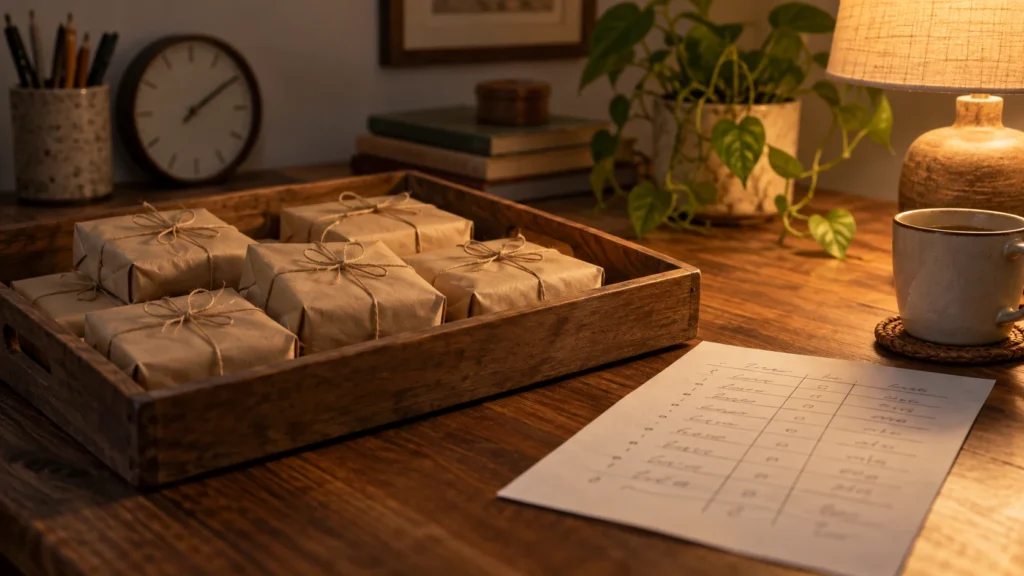
The hard part of a Christmas game with a prize is not the game. It is deciding who wins, how often, and what happens to everyone who does not. Get that wrong and the evening turns into a gift exchange with extra steps, or a room of quiet people watching one person collect everything.
What follows is fifteen ways to award a prize, each with its scoring model, how many people walk away with something, what you do about the person who never wins, and one or two games that carry the model. No shopping involved.
The Party Happens Somewhere
If the gathering is at a VISU partner location, your verified presence there can earn a reward. You scan a code, and nothing has to be bought.
A Prize Is Not a Gift
A gift is chosen for a person. It carries an expectation of reciprocity and a perceived value, and the person receiving it reads that value as a message about the relationship. If what you want is a swap where everyone leaves holding something, that is a gift exchange, not a game night.
A prize is chosen for a result. It is impersonal by design, and that is precisely why it can be small, silly or entirely symbolic without offending anyone. A folded paper star awarded for winning three rounds reads as a trophy. The same star handed over as a gift reads as an insult.
This distinction does the heavy lifting all evening. Once the room reads the prize table as a scoreboard made physical, nobody compares what they got, nobody feels they should have brought something, and a player who wins nothing has simply lost a game rather than been left out of a gift round.
The test is simple. Would the item still make sense if a different person had won? If yes, it is a prize. If the answer depends on who won, you have started a gift exchange and the games are decoration around it.
Five Prize Models That Work
Almost every prize problem comes from using one model where another was needed. These five cover the range, and two can share an evening as long as you say which is which before each game.
1. Accumulated points, one award at the end. Every game contributes points to a running total, and a single prize goes to the top scorer when the night is over. Most tension, fewest awards. It works for a competitive group that stays the same size all evening, and fails when people arrive late, because a latecomer cannot catch up and knows it by the second game.
2. One prize per round. Each game is its own contest with its own winner, and totals never carry across. This spreads awards widely and lets people join or leave without wrecking anything. It removes the endgame drama, and it is the safest default for a mixed gathering.
3. Draw among qualifiers. Winning does not award a prize, it earns a token that goes in a bowl. At the end you draw tokens for whatever prizes exist. Strong players hold more tokens and better odds, but skill alone does not decide it, which keeps the last hour interesting. This is the most useful model for a wide skill gap: it turns a runaway winner into someone with merely good odds.
4. Consolation as a structural rule. A defined award goes to a named non-winning position, decided before the game starts. Last place, the funniest wrong answer, closest without going over. Announce it in advance, or it reads as pity, which is worse than nothing.
5. The prize is not an object. The award is a privilege or an exemption that only makes sense inside your evening: choosing the music, assigning teams, skipping a turn. These cost nothing and are often wanted more than objects.
Say the model out loud before each game. Half the arguments about fairness are arguments about which of these five was in effect.
Games Scored by Points Across the Night
These carry model 1 or model 3. Decide at the start whether the top total wins outright or converts into draw tokens.
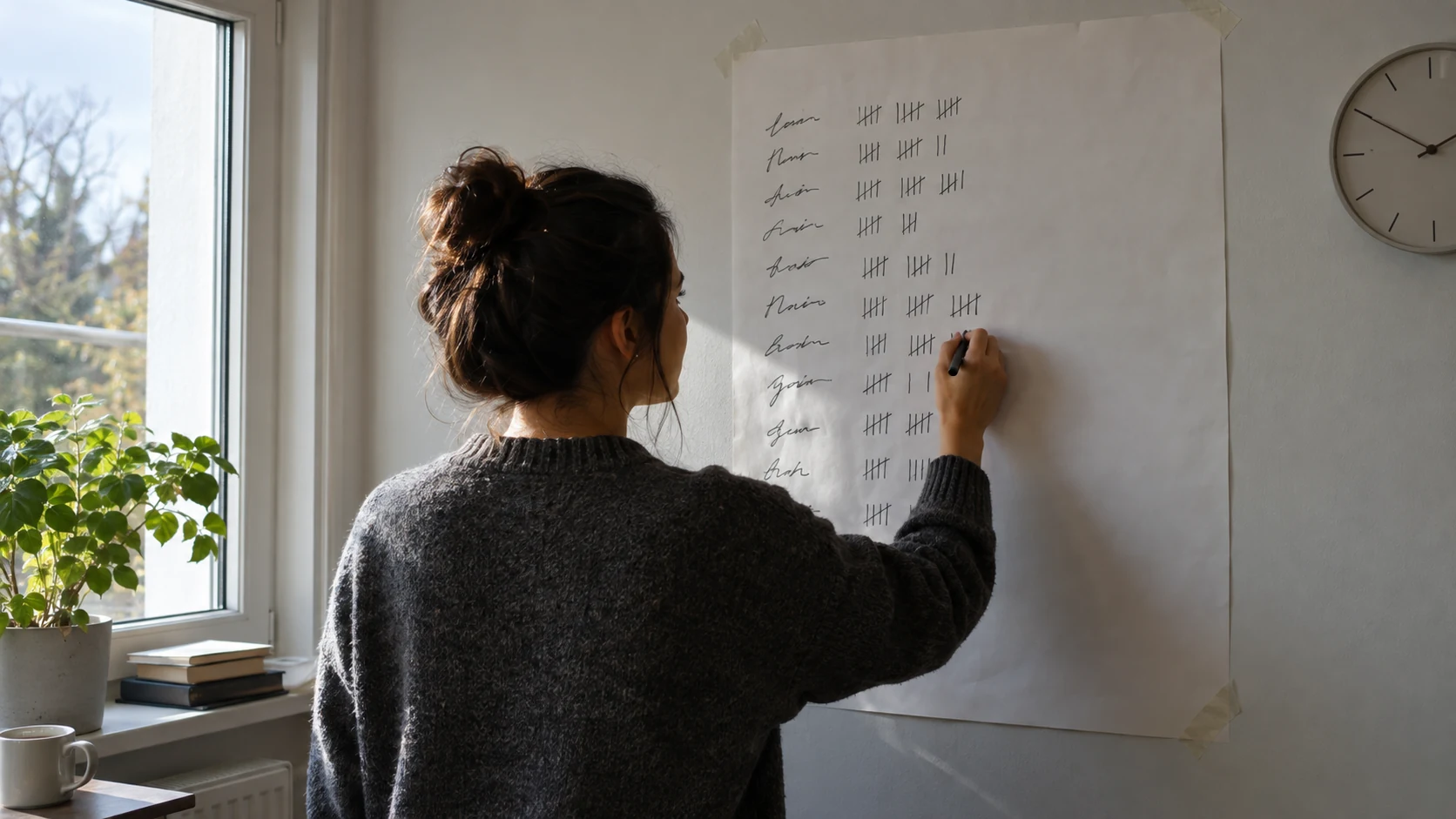
6. The Running Ledger. Model: accumulated points, one award at the end. One sheet on the wall, every name on it, and after each activity the top three finishers take three, two and one point. How many win: exactly one. For the player who never scores: at halftime announce a second award for biggest improvement, which resets incentive without resetting scores. Vehicle: any quiz you already planned.
7. Bank or Risk. Model: accumulated points, staked in points only, never money. After winning a round, the player banks the point or risks it on one tie-break question. Right, it doubles. Wrong, it is gone. How many win: one, but the lead changes constantly. For the player who never wins: play in pairs so a partner's banked points count. Vehicle: any question round with one extra hard question on hand.
8. Seven Small Wins. Model: accumulated points across deliberately tiny contests. Seven thirty-second activities in a row, one point each. Guess how many chairs are in the room. Name a Christmas song without saying the word Christmas. Fold a paper shape that stands on its own. How many win: whoever leads after seven. For the player who never wins: seven separate chances largely solve the streak-of-nothing problem, which is why this suits a table with children and grandparents at it.
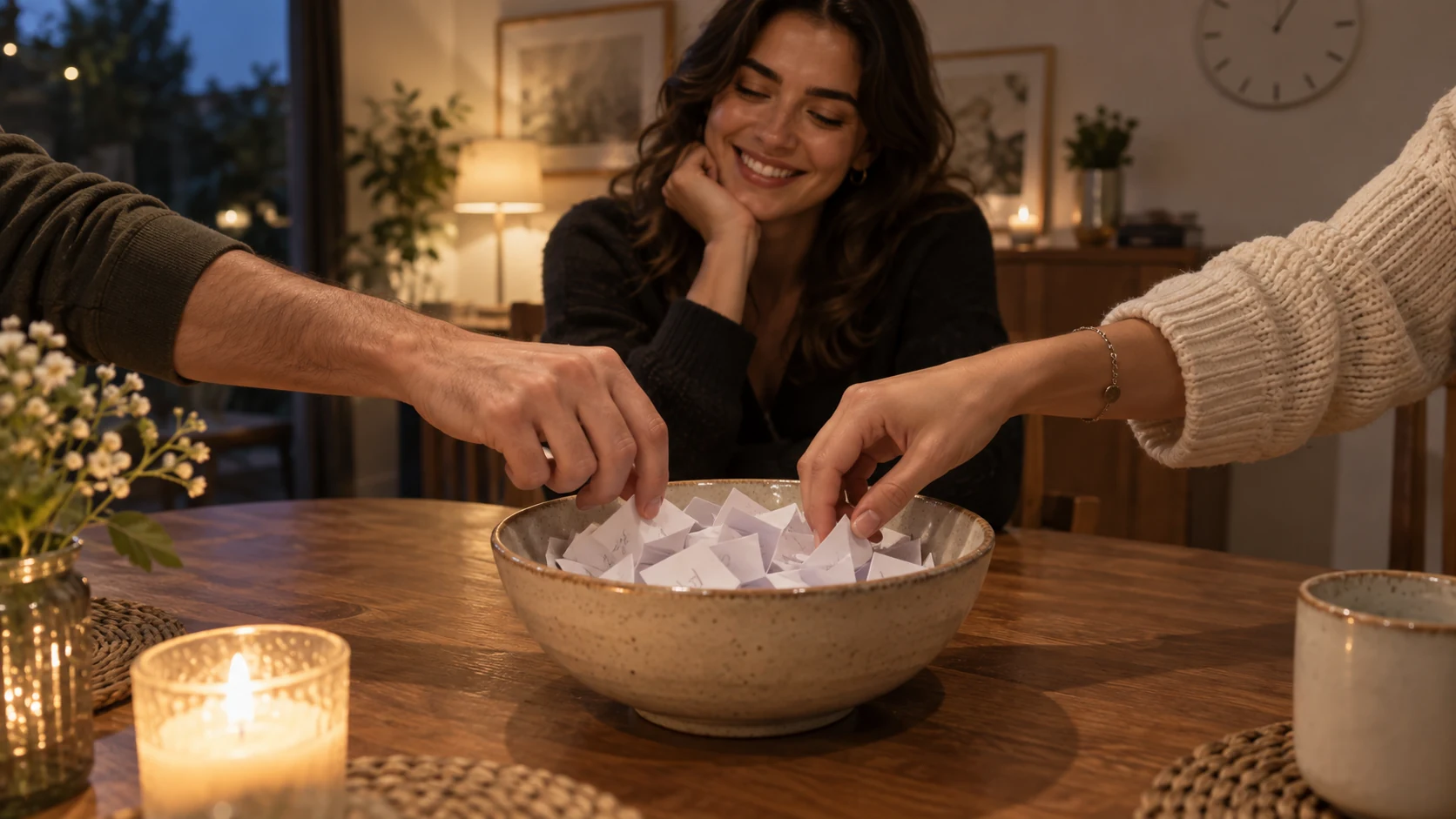
9. Token Economy. Model: draw among qualifiers. Every round win earns a folded paper token with the winner's name on it, dropped in a bowl, and nothing is awarded until the draw at the end. How many win: as many as you have prizes, usually two or three. For the player who never wins: give everyone one token at the start. Vehicle: sits on top of any five games, and fixes the room where one person wins everything.
10. The Table Handicap. Model: accumulated points with a starting adjustment. Whoever won the last game starts the next one a point behind. How many win: one, rarely the same person twice. For the player who never wins: the handicap helps them automatically, without anyone saying out loud that they are being helped. Vehicle: any repeatable round-based activity.
A Reward Tied to the Visit
VISU rewards a verified visit at a partner location. The scan confirms that you are there, without asking you to buy anything or fill in a profile.
Games With One Winner per Round
These carry model 2. Each is self-contained, so people can arrive, leave and rejoin with no bookkeeping.
11. The Sealed Guess. Everyone writes a private answer to a question with one checkable numeric answer, such as steps from the door to the kitchen. Closest without going over takes the round, and five rounds fit in ten minutes. For the player who never wins: run one round where furthest away wins, announced only after the answers are sealed. Our fun trivia questions for adults suit this format.
12. First to Both. Two small tasks announced at once, and the round goes to whoever finishes both, in any order: write six words rhyming with a chosen word, and stack five objects into something that stands. How many win: one. For the player who never wins: add a second-place award for whoever finished either task first.
13. The Odd Answer Out. Everyone answers the same question in writing, and the round goes to the only person nobody matched. Matching pairs are both out. How many win: usually one, occasionally nobody. For the player who never wins: whoever thinks differently from the room wins this constantly, so it rewards the person losing everything else.
14. Last One Standing. An elimination round with no equipment. Everyone stands, a rule is called, and anyone it applies to sits: sit if you have eaten dessert, sit if you are wearing red. How many win: one. For the player who never wins: it is luck, not skill, so this is where a five-year-old beats the whole family.
15. The Two-Minute Build. Each team gets two minutes and whatever is on the table to build something meeting a stated condition, such as holding a napkin off the surface. Whoever is not playing judges. How many win: one team, so three or four people at once. For the player who never wins: team awards are the reliable route to a prize for someone who never wins alone.
Games Where the Prize Is Not an Object
This is model 5, the most underused idea on the list. The award is a right inside the evening: it cannot be compared or re-gifted, and it is often what people compete hardest for.
Awards worth handing out: choosing the music for the next hour, exemption from one round of clearing the table, picking the teams, choosing which game comes next, sitting out a turn while keeping the points, and naming the rule for the following round.
Two things make these work. Write each on a slip of paper, because something to hold makes a privilege feel awarded rather than stated. And set a deadline to use it, so nobody holds an unspent right at midnight.
Avoid any award that lets a winner impose something unpleasant on a named person. Choosing the next game is fine. Choosing who does the forfeit is not: it converts a prize into permission, and that lands badly at a family gathering.
Prizes That Cost Nothing
A points model needs something physical at the end. It does not have to be bought, and the evening is easier if it was not.
Things already in the house, wrapped in paper so the reveal is part of the fun: a sweet from the bowl on the table, a piece of fruit, a small kitchen item presented with mock ceremony, or a hand-drawn certificate naming the category won.
The wrapping does most of the work. An unwrapped fruit is a fruit. The same fruit in folded paper with a name on it is a trophy that stays on the table all night.
Two rules keep this clean. Make every prize visibly the same size, so nobody competes for the good one. And award the category alongside the object: the sentence is the prize, the item is the receipt.
Leave out entirely: anything convertible into money, anything with a price the room can guess, alcohol, and anything a guest brought. Once a prize has a knowable value you are running a gift exchange again, and every problem from the first section returns.
Keeping It Fair When Ages Are Mixed
A room holding a nine-year-old and a seventy-year-old will not produce a fair single winner from a skill game, and pretending otherwise ruins the evening for one of them.
Three structural fixes, best first. Convert wins into draw tokens, because chance is the only mechanism that lets a child beat an adult without the adult visibly losing on purpose. Run mixed teams and award the team, so the child who solved one clue is on the winning side. Or run parallel categories with separate awards, which is clear, though it splits the room.
What does not work is quietly letting the youngest win. Children notice, and the win is then worth nothing to them. If you want a child to have a good chance, pick a game where they have one: memory rounds, spotting differences, anything rewarding speed over knowledge. A round of music trivia questions spanning several decades spreads the wins across generations by itself.
Announce the fairness mechanism before the first game. Said in advance it is a rule. Said afterwards it is an apology.
When the Prize Ruins the Game
Prizes change behaviour, not always for the better. Four failures worth watching for.
The prize is too good. If one item is visibly better, every game becomes a qualifier for it and the games stop mattering. Make the awards uniformly small, or put the good one in a draw.
The rules get argued. Stakes make people read rules like lawyers. Appoint a decider before the first game, with authority to rule instantly and be wrong. A fast wrong call costs less than a correct one after eight minutes of debate.
The same person wins everything. Switch models mid-evening: from now on wins earn tokens, drawn at the end. Nobody objects, because it takes nothing away from the leader.
Somebody stops playing. The clearest signal the prize structure is wrong, usually an accumulated points model in a room that needed one award per round. Switch to self-contained rounds at once and let the earlier scores stand as their own contest.
A related fix: when a round is about to cause a real argument, a low-stakes team format such as movie trivia questions resets the temperature faster than talking about it.
Let the Place Count
When a gathering is held at a VISU partner location, a code scan can connect the visit to a reward. The reward is for verified presence, not for a purchase.
FAQ
What Prizes Work for Christmas Games Without Buying Anything?
A wrapped sweet from the table, a piece of fruit, a hand-drawn certificate naming the category, or a privilege written on a slip such as choosing the music. Wrapping makes any of these read as a trophy.
How Many People Should Win?
With ten or fewer players, one award per round keeps everyone engaged. With larger groups, use draw tokens and award two or three at the end so the odds stay visible.
What Do I Do About Someone Who Never Wins Anything?
Build it into the structure instead of patching it afterwards: a starting draw token for everyone, at least one luck-based round, mixed teams, or a defined non-winning award announced before the game.
Should the Prize Be a Surprise?
Show the prizes but not their contents. Identical wrapped items create anticipation without letting anyone calculate which round is worth trying for.
Is a Prize the Same as a Gift Exchange?
No. A prize is earned by a result and is impersonal. A gift exchange is a swap where everyone leaves holding something, on entirely different rules. Mixing them confuses both.
How Long Should a Prize Night Run?
Plan shorter rounds than feel natural. Five to eight minutes a game keeps the pace up, and stopping while people still want one more beats running until the room empties.