

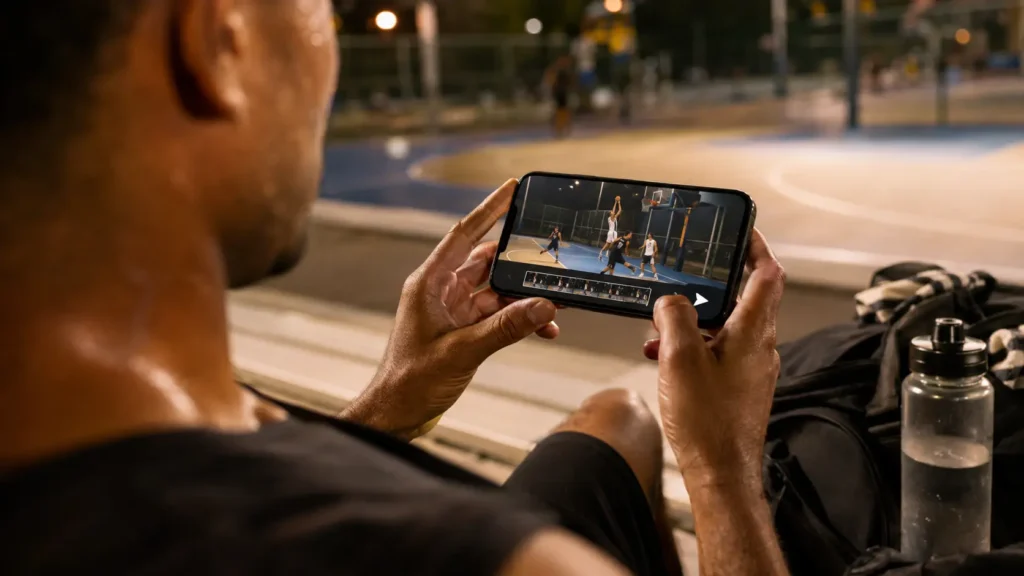
There is a good general answer to how long a sports clip should be, and it is covered in what makes a good sports clip: cut from just before the action to just after the outcome, and let the length follow. This article is about the question that comes next and gets asked far more often in practice. You have the clip. Where is it going, and does it fit there? Because a length that works in a group chat is wrong for a story, and a length that works for a story is wasted on a coach.
The short version: every destination has a technical ceiling, and almost nobody ever hits it. The real problem is being too long for the place you are sending it, which happens long before any platform complains.
Already the Right Length
A clip from a court with VISU Replay arrives cut around the play rather than as a session you still have to trim. At about twenty eight seconds it fits every destination in this article with room to spare.
The Ceiling Is Not the Target
Every platform publishes a maximum length, and those numbers are the least useful thing to know about them. Instagram Reels accepts twenty minutes. WhatsApp Status accepts ninety seconds. YouTube Shorts accepts three minutes. If you are filming amateur sport, you will never come close to any of these.
So the ceiling almost never binds. What binds is something softer and much more decisive: how long the people at that destination are willing to sit through, and in some cases what the platform will quietly do to a clip that runs long.
That is why the same twenty second clip can be right in one place and wrong in another, and why "how long should it be" has no single answer once the clip leaves your camera roll.
What Each Destination Actually Allows
These come from the platforms' own documentation, and a couple of widely repeated figures are missing on purpose.
- WhatsApp Status: ninety seconds is the stated maximum.
- Instagram Stories: sixty seconds per segment.
- Instagram Reels: up to twenty minutes, with a caveat that matters more than the limit, below.
- YouTube Shorts: three minutes.
- A group chat: no limit at all, which turns out to be the strictest case of the lot.
The Reels caveat is the single most useful line in any of this documentation, and it comes from Instagram directly: reels over three minutes will not be recommended to new audiences. The clip still uploads and still plays. It just stops travelling beyond the people who already follow you. That is a limit disguised as a permission.

Two gaps worth being straight about. TikTok has a published limit of three minutes in its own newsroom announcement, and the longer figures that circulate widely trace to third party blogs rather than to TikTok's own accessible documentation, so I am not repeating them here. The same applies to the completion rate statistics that get quoted in social media advice: the ones I could find come from vendor blogs, not from anything you could check.
The Group Chat Is the Strictest Judge
This is where most amateur sports clips actually go, and it has no technical limit whatsoever. You can send a nine minute video to your team group. That is exactly the problem.
A group chat has no feed, no algorithm and no autoplay to carry a slow opening. Someone taps your video deliberately, usually while doing something else, and decides within a couple of seconds whether to keep watching. Nothing rescues a clip that opens with people walking into position.
There is also a social cost that platforms do not have. Send a two minute video to fifteen people and you have asked for thirty minutes of collective attention for one play. Do it twice and people stop tapping. The group teaches itself to ignore you, and it does not announce that it has.
Cut Around the Play, Not the Session
Pressing a button after the play gives you the moment rather than the match. Nothing to trim afterwards, and nothing to apologise for in the group.
Stories and Reels Play a Different Game
Stories are built around a sixty second segment, and anything longer gets split. A play that runs past that boundary is cut in the middle, and the second segment starts cold for anyone who taps through.
That structure rewards a clip that is complete inside one segment. It is the same instinct as the group chat, arriving from a different direction: a single readable moment beats a sequence that needs continuity to make sense.
Reels have far more room and a different trap. The technical ceiling of twenty minutes is irrelevant, but the three minute recommendation threshold is not, because crossing it changes who ever sees the clip. For amateur sport that threshold is comfortable rather than restrictive. You are not going to accidentally produce a three minute play.
The One Case Where Longer Is Correct
Everything above pushes toward short, so it is worth naming the case that genuinely goes the other way.
If the audience is a coach, or yourself reviewing your own game, the job is different. There the interesting part is often what happened before the moment: the positioning, the run that was not made, the shape of the defence three passes earlier. Cutting tightly around the outcome destroys exactly the information a review needs.
So the split is not "short good, long bad". It is that a clip for sharing and a clip for studying are different objects with different rules, and the mistake is sending one where the other belongs. A tight fifteen second cut is useless to a coach. A four minute passage is an insult to a group chat.
The related question of what to do with the footage once you have it, and where it lives, is worth its own treatment and is coming separately.
What Research Does and Does Not Say
Short video advice is full of confident claims about algorithms punishing long clips. Most of it is not sourceable. There is real research here, though, and it is worth reporting accurately rather than dressing up.
Work presented at KDD in 2022 examined duration bias in watch time prediction: the finding is that the duration of a video itself misleads watch time models, which affects how recommendation systems rank content. Later work notes that a viewer completing a video does not reliably indicate high interest.
What that legitimately supports: the people who build video recommendation systems treat duration as a confounding variable rather than a neutral one, and raw completion is a weaker signal than it looks.
What it does not support, and what I am not going to claim: that a short clip will get you reach, that any specific platform penalises your video for its length, or that there is a magic number of seconds. That research is about recommender systems, not about your team's WhatsApp group, and the honest reason to keep a clip short has nothing to do with algorithms. It is that people stop watching.
What This Means in Practice
Put together, the guidance is simpler than the number of platforms suggests.
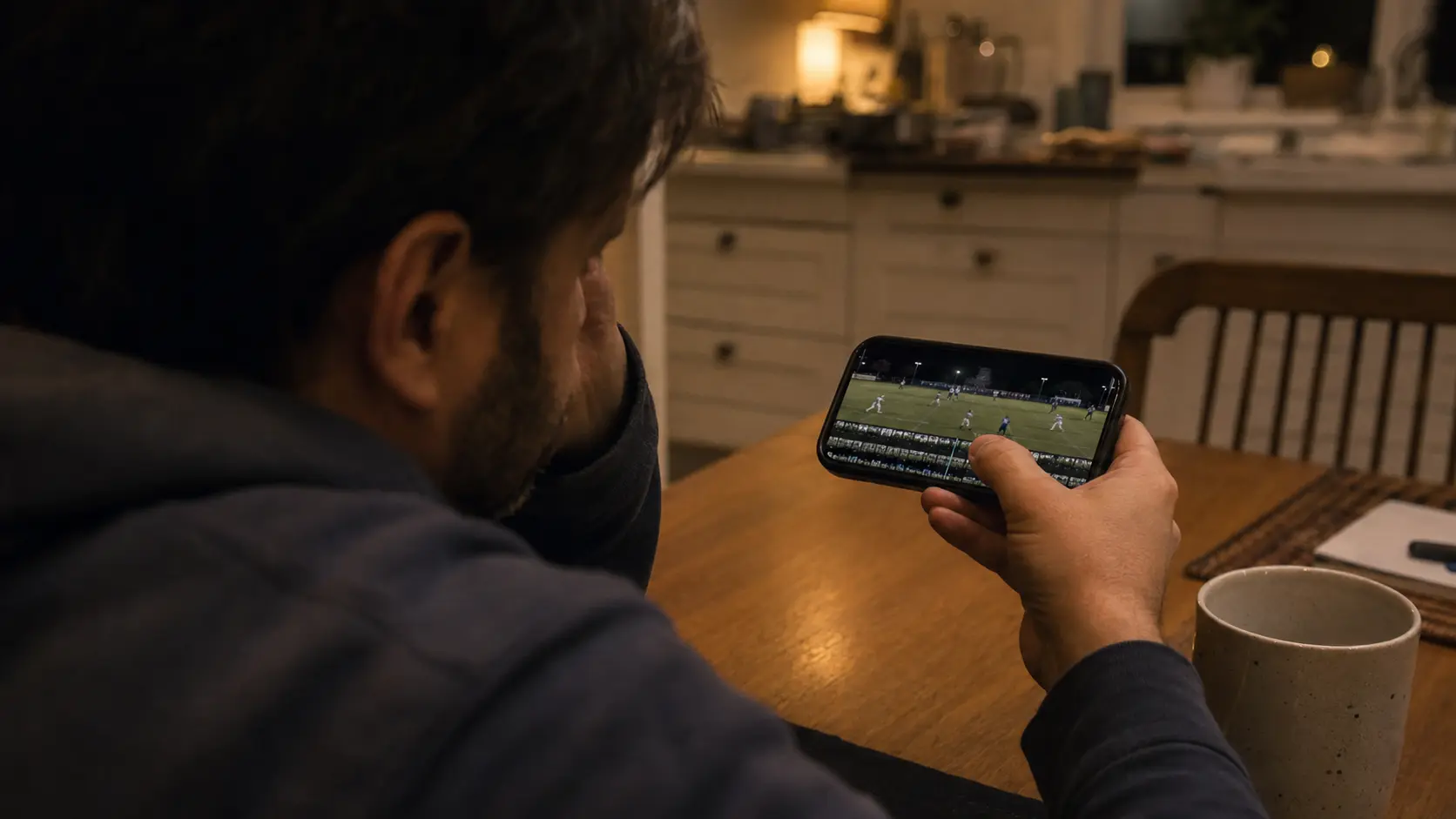
One play, cut close, goes everywhere. It fits inside a Stories segment, sits far below the Status maximum, never approaches the Reels threshold, and survives the group chat, which is the hardest test. You do not need a different version per destination, you need a clip that was cut around the moment rather than around the session.
Keep the long version if you want it, but keep it for the review, and do not send it to fifteen people hoping they will find the good bit.
This is also where the way you capture matters more than the way you edit. Filming the whole session leaves you with a long file and the work of finding the moment inside it, which is a task most people do once and never again. Recording continuously and saving backwards from a button moves that work to before the clip exists. On a court with Replay the clip runs about twenty eight seconds, which sits comfortably inside every destination above, and on the web you see a ten second preview of it.
One Play, Ready to Send
The clip that gets watched is the one that was easy to get and short enough to open. Press the button after the play and it is already cut.
FAQ: Clip Length by Destination
What is the maximum length for a WhatsApp Status video?
Ninety seconds, according to WhatsApp's own documentation. For amateur sport that is far more room than you need, and it is worth remembering that the limit is a ceiling rather than a target. A single play cut closely will be a fraction of it.
How long can an Instagram Reel be?
Up to twenty minutes, but the number that actually matters is different: Instagram states that reels over three minutes will not be recommended to new audiences. The clip still posts and still plays for your followers, it simply stops reaching anyone else. For a sports clip you are nowhere near either figure.
Why do my clips get ignored in the team group even though they are short?
Length is only half of it. A group chat has no feed and no autoplay, so someone taps your video deliberately and decides in the first seconds whether to continue. A clip that opens with players walking into position spends that attention before the play arrives. Cut so the action starts almost immediately.
Do shorter clips get more reach?
There is research showing that video duration biases watch time prediction in recommendation systems, and that completing a video does not reliably signal interest. That is a finding about how recommender systems behave, not a promise about your reach. The dependable reason to keep a clip short is simpler: people stop watching.
Should I send the same clip to my coach and to the group?
Usually not. A coach often needs what happened before the moment, the positioning and the build up, which a tight cut deliberately removes. The group needs the moment itself and nothing else. They are different objects with different rules, and sending one where the other belongs is the most common mistake.
Does a clip from a venue camera fit these limits?
Yes, comfortably. A Replay clip runs about twenty eight seconds, which sits inside a sixty second Stories segment, well under the ninety second Status maximum, and far below the Reels recommendation threshold. On the web you see a ten second preview of it, and downloading or watching the full video happens in the app.