

ClickASnap combines a photography community, conditional paid-per-view benefits and a separate image-licensing marketplace. This documentary review, checked September 20, 2026, maps the real costs, qualifying-view rules and portfolio workflow. We did not buy a membership, upload a photo or request a payment.
Give Your Portfolio One Public Route
A VISU Link page can point visitors to an external ClickASnap gallery and your other public profiles. The gallery, sales and payments remain on their respective services.
The Short Documentary Verdict
ClickASnap's current legal pages identify CAM Limited as the platform operator. Its Paid Per View Policy was updated June 23, 2026 and says earnings are conditional, provisional and subject to review. It does not guarantee traffic, views, engagement, revenue or profit. That is the correct starting point for evaluating the service.
The current policy does document a route to payment: an eligible view can accrue a provisional amount, an account-specific minimum threshold must be met, and an approved withdrawal is paid in US dollars through PayPal. It also says the user must hold a paid account for at least 90 days before requesting a withdrawal. Those conditions make the subscription cost and waiting period part of the economic result.
There is also a marketplace for image licenses. Support documentation says marketplace sellers need a Pro membership and receive licensing proceeds through a linked bank account using Stripe. That is a different payment path from paid views. A creator can use the same portfolio, but should keep the two ledgers separate.
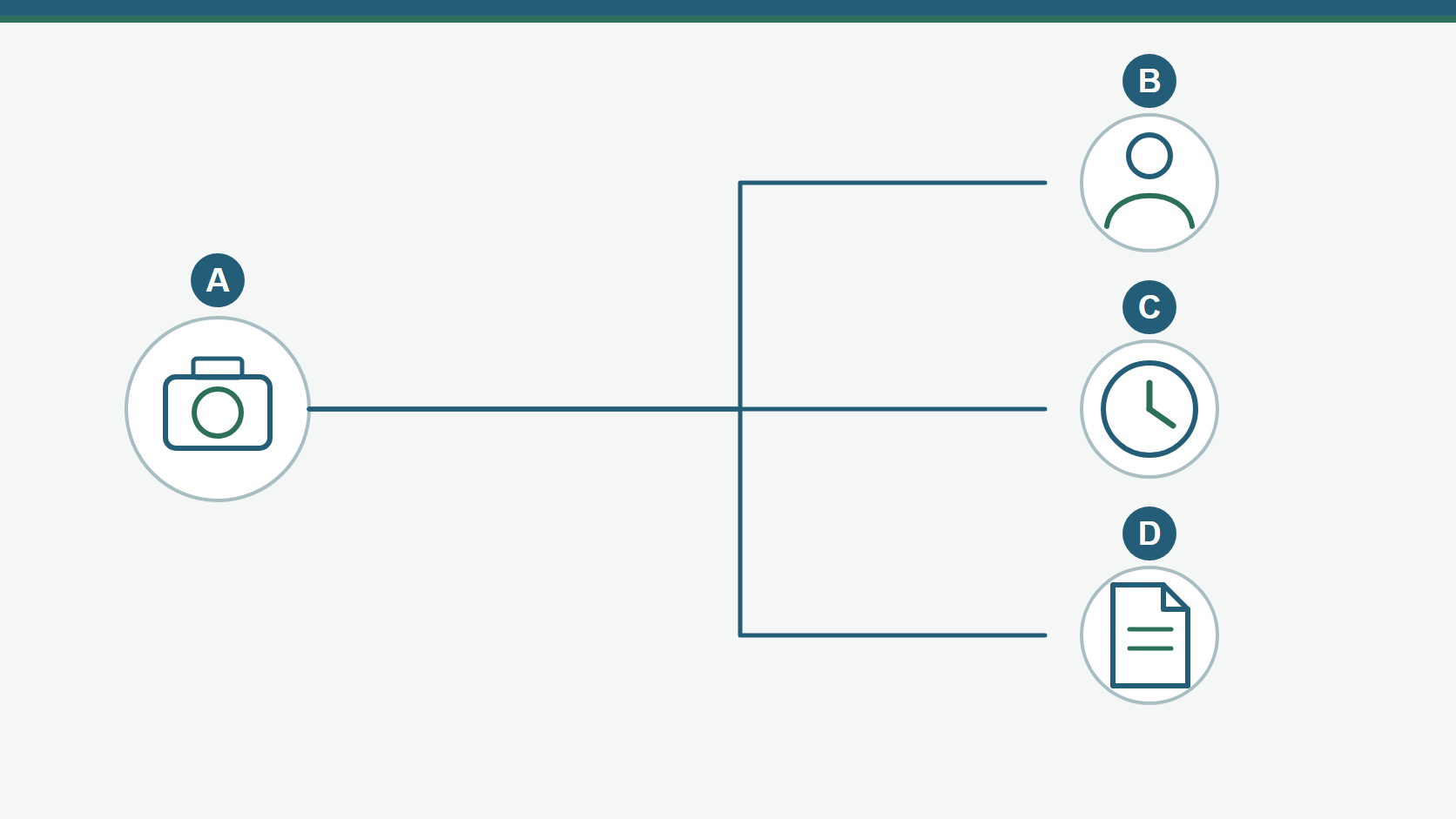
Three Paths That Should Stay Separate
| Path | What happens | Main question |
|---|---|---|
| Community | Publish photos, follow work and receive engagement | Does the audience fit your photography? |
| Paid per view | Eligible organic views may create provisional earnings | Will valid revenue exceed membership and other costs? |
| Licensing | Eligible images can be offered under marketplace licenses | Do you own the rights and releases needed to sell? |
Community attention is useful even when it does not qualify for payment. A comment can inform a portfolio edit, and a profile can help a photographer present a coherent body of work. That value should not be converted into an earnings claim. Likewise, a paid view is not a license sale, and a license sale is not evidence that future uploads will sell.
Start with the goal. If the goal is critique and discovery, judge the community experience. If it is paid views, model the subscription and eligibility rules. If it is licensing, review rights, releases, sale fees and withdrawal conditions. Combining all three into one headline number hides the decision a photographer actually has to make.
What Counts as a Paid View
The June 2026 policy sets five core conditions. A qualifying view must last at least five seconds, be organic, not come from the image owner, not result from directly or indirectly requesting or incentivizing someone to provide a paid view, and not come from a click circle. The company decides qualification using technical, behavioral, fraud-detection and analytics data.
The policy also lists excluded sources such as bots, scripts, automated tools, VPN manipulation, proxy services, traffic exchanges, paid traffic, click farms and artificial engagement schemes. This rules out the common tactic of trading views with a group. Never promise a reward, return view or other benefit to generate paid views. Share the portfolio because the work is relevant, then allow people to browse naturally.
Uploaded images must comply with the terms and community rules, avoid third-party infringement, and not be spam, duplicate material or content posted only to manipulate earnings. Profiles must be reasonably complete and not operate as photo dumps. Accounts primarily sharing AI-generated imagery may be excluded from paid per view. The support FAQ is stricter in one place, saying AI images cannot benefit from paid per view. A creator using AI should check the live rule before paying.
Membership and Withdrawal Conditions
The policy does not publish one universal withdrawal threshold. It says the current threshold appears in account settings and may change. Amounts shown in an account are provisional until review, verification and approval. The company may approve, reject, suspend, defer, adjust or investigate a request where it suspects policy breaches, artificial traffic, improperly accrued earnings or a need for more verification.
Eligible withdrawal requests are paid only through PayPal in US dollars under the paid-per-view policy. Exchange rates may move between request and payment. Transaction costs, processor fees, taxes, withholding, chargebacks and other reasonable program costs may be deducted. Users remain responsible for their own tax obligations.
The 90-day condition starts from holding a paid account, not simply opening a free profile. A free trial may accrue provisional earnings, but the policy says processing can wait until the trial ends and a paid membership is activated. The current public membership page should be checked at purchase time because plan prices and benefits can change. Do not use an old review's price in a profitability decision.
Connect the Portfolio You Already Maintain
VISU Link can point to your external ClickASnap gallery, booking page and other public profiles.
Photo Licensing Is a Separate Business
ClickASnap's support pages describe personal-use and royalty-free licenses. A seller needs a Pro membership, chooses eligible images for the marketplace and links a bank account through Stripe. Support currently describes a service fee on each sale and a separate minimum for marketplace cash-out. These details belong to licensing, not PayPal paid-per-view withdrawals.
The selling terms require creators to have the rights to their content. The main terms say identifiable people, private property, trademarks, artwork or other protected subjects may require model releases, property releases or permissions for commercial use. Owning the camera does not automatically clear every commercial right visible in a frame.
For each candidate photo, keep a rights packet with the original file, capture date, edit history, model or property release where necessary, and the license selected. Do not list a file copied from another creator, and do not treat public visibility as permission to sell. The platform's support page also says AI and NSFW imagery are not allowed in its marketplace.
A license sold before an image is removed can remain valid. That matters when reorganizing a portfolio: removing a listing ends future availability but does not erase a buyer's existing rights. Track sales and license versions outside the visual sequence of the gallery.
Real Cost Versus Revenue
A useful worksheet has two columns. Costs include subscription payments, payment fees, taxes, equipment, editing software, releases, production expenses and time. Revenue includes only approved paid-view withdrawals and settled licensing proceeds. Profile balances, pending sales and general engagement stay outside the revenue column until their conditions are met.
Consider a hypothetical example with neutral figures. A creator pays three monthly membership charges before becoming eligible to request a paid-view withdrawal. If approved revenue by then is lower than those three charges plus fees, the cash result is negative even though the dashboard shows activity. This is only a method, not a forecast or a statement about any current plan price.
Use a break-even calculation: total settled revenue minus total cash costs. Then track time separately, because a small positive cash difference can still represent a low return for hours spent selecting, editing, tagging and responding. The policy expressly provides no minimum earnings or profit guarantee.
An Organic Portfolio Workflow
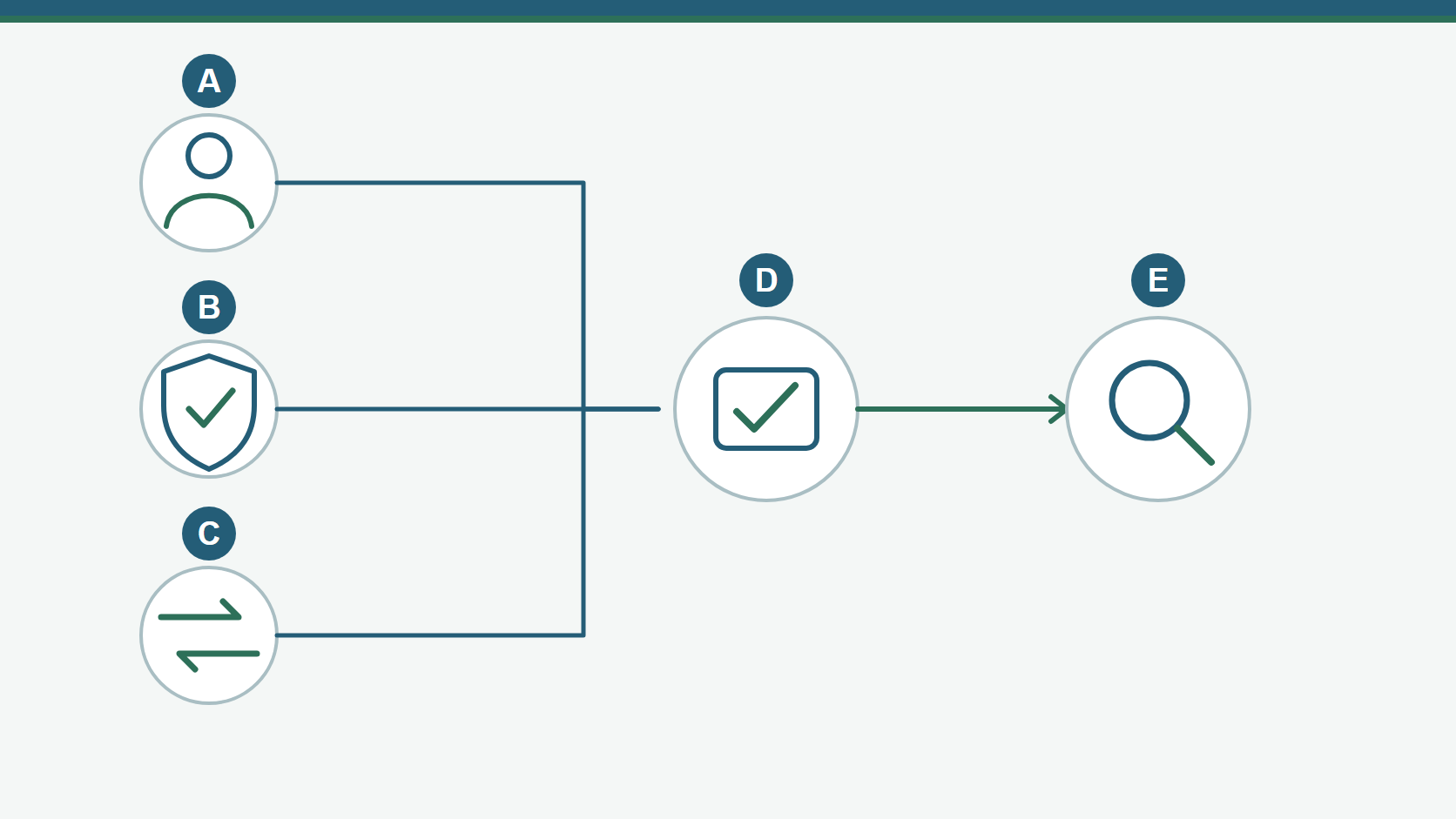
- Choose a narrow series. Select ten to twenty photographs connected by subject, place, technique or story.
- Verify rights. Confirm authorship and collect releases before enabling commercial licensing.
- Edit for coherence. Apply consistent color and sequencing instead of uploading every file from a session.
- Write useful context. Add accurate titles, captions and tags that help a real viewer understand the work.
- Complete the profile. Explain the type of photography and maintain a deliberate gallery rather than a photo dump.
- Publish steadily. Use a schedule you can sustain without duplicate or filler uploads.
- Share naturally. Link the portfolio where it is relevant, without asking for paid views or promising an incentive.
- Review monthly. Separate community engagement, qualified-view activity, licensing sales, costs and settled payments.
If the portfolio itself needs work, our guide to photography for beginners offers a practical starting sequence. Improve the body of work before optimizing traffic. A coherent set gives a visitor a reason to continue browsing without any artificial prompt.
VISU Link can serve as a public directory that points to the external ClickASnap gallery, another portfolio, a contact form or a booking service. Galleries, bookings and payments remain on the services you link. Our VISU Link for bio guide shows how to organize that public route.
Decision Table Before Paying
| Your priority | Evidence to collect first | Stop condition |
|---|---|---|
| Photography community | Relevant creators and genuine interaction | The audience does not fit your work |
| Paid per view | Current price, 90-day cost, threshold and PayPal access | You need guaranteed or immediate income |
| License sales | Pro cost, rights packet, fee and bank eligibility | You cannot document commercial rights |
| AI-heavy portfolio | Current AI rule for programme and marketplace | Your main work is excluded |
| Organic promotion | Audience fit and a non-incentivized sharing plan | Growth depends on view trades or paid traffic |
Set a review date and a maximum experimental budget before subscribing. At that date, compare cash costs with settled revenue, then separately ask whether community feedback and portfolio discipline justified the experiment. This prevents a useful social experience from being misreported as profit.
Create One Public Portfolio Destination
Use visu.to/<username> to connect the public profiles and external galleries you choose. Keep licensing records, tax documents and payment data private.
Frequently Asked Questions
Does every ClickASnap view earn money?
No. The current policy requires at least five seconds, organic activity, a viewer other than the owner and no incentive, request, click circle or artificial traffic. The company determines eligibility.
How long must I have a paid account before requesting a withdrawal?
The Paid Per View Policy says a paid account must have been held for at least 90 days before a withdrawal request can be made.
How are paid-per-view withdrawals sent?
The current policy says eligible withdrawals are paid in US dollars through PayPal only, subject to review, verification, threshold and possible deductions.
Is selling photo licenses the same as paid per view?
No. Marketplace licensing is a separate path with Pro membership, rights requirements, service fees and bank payments through Stripe according to current support information.
Can I ask friends or followers to generate paid views?
No. The policy excludes views produced by directly or indirectly requesting or incentivizing another person to provide a paid view.
Did VISU test ClickASnap earnings?
No. This is a documentary review. We did not subscribe, upload images, receive qualifying views, sell a license or request a payment.