


UserTesting pays you to say what you think out loud while using a website or app. The rate is shown before you accept each test, payment lands through PayPal about two weeks later, and the practice test you have to submit to get in is unpaid.
It is one of the few platforms in this category that publishes the mechanics rather than the earnings fantasy. This review covers what the company documents, what it deliberately does not promise, and who actually ends up earning from it.
Know the Rate Before You Start
Rewards you can read up front, from a platform that runs its own system.
What UserTesting Actually Pays For
You are not filling in a survey. You are recorded using a product while narrating your thinking, and companies pay for that recording because it shows them where their design fails.
A typical test puts you on a website or app with a short list of tasks: find a product, start a signup, locate a policy. You talk through what you expect, what confuses you, and where you would give up. The value to the buyer is the confusion itself, which is why editing yourself to sound competent works against you.
UserTesting positions this as a side income rather than a job, much like the wider set of apps that pay you to test, and the structure matches that. Work arrives when a customer needs your profile, not on a schedule you control.

How Much Does UserTesting Pay?
There is no single rate, and the company says so directly. Payment varies by test type, length and customer demand, and your dashboard shows the amount for each test before you accept it.
That last detail matters more than any headline figure. You are never guessing what a test is worth: the number is attached to the invitation. Compare that with platforms where you find out what you earned after the work is done, a pattern common across money apps of uneven quality.
What the company does not publish is a monthly average, and that omission is honest rather than evasive. Earnings depend on how many invitations your profile attracts, which depends on what customers are researching that month. Anyone quoting you a reliable monthly figure for UserTesting is describing their own results, not a rate.
One rule that catches new participants: the practice test required to join is not paid. It is part of the application, and the company states this plainly.
No Screener Between You and the Reward
Earn from actions you already take, without waiting to be selected.
When and How You Get Paid
The payment mechanics are documented, which puts UserTesting ahead of most of this category:
- Method: PayPal only, and the account must be confirmed and in good standing.
- Currency: USD, which you convert yourself through PayPal if you need local currency.
- Timing: usually 14 days after a completed standard test.
- Delays: the company notes PayPal itself occasionally adds 24 to 48 hours.
Two consequences worth planning around. The fortnight gap means this is not same-day money, so it does not solve an urgent bill. And if you convert the USD payment to another currency through PayPal, the exchange rate and any applicable conversion costs affect what reaches you in local currency.
Getting In: The Unpaid Practice Test
Joining is not automatic. You apply, then submit a practice test that is reviewed before you are admitted to the participant network.
Treat it as the audition it is. The practice test is the gate you have to pass before joining the participant network, and the criteria are the same ones customers care about later: do you speak continuously, do you explain your reasoning, is your audio clear enough to be usable. Silence while you think looks like a broken recording to whoever reviews it.
This is also the honest answer to whether the platform is worth trying: you invest one unpaid test to find out. That is a small cost compared with platforms that never tell you why you were rejected.
Why Some People Get Tests and Others Do Not
This is the complaint that dominates discussion of the platform, and the company documents the mechanism instead of hiding it.
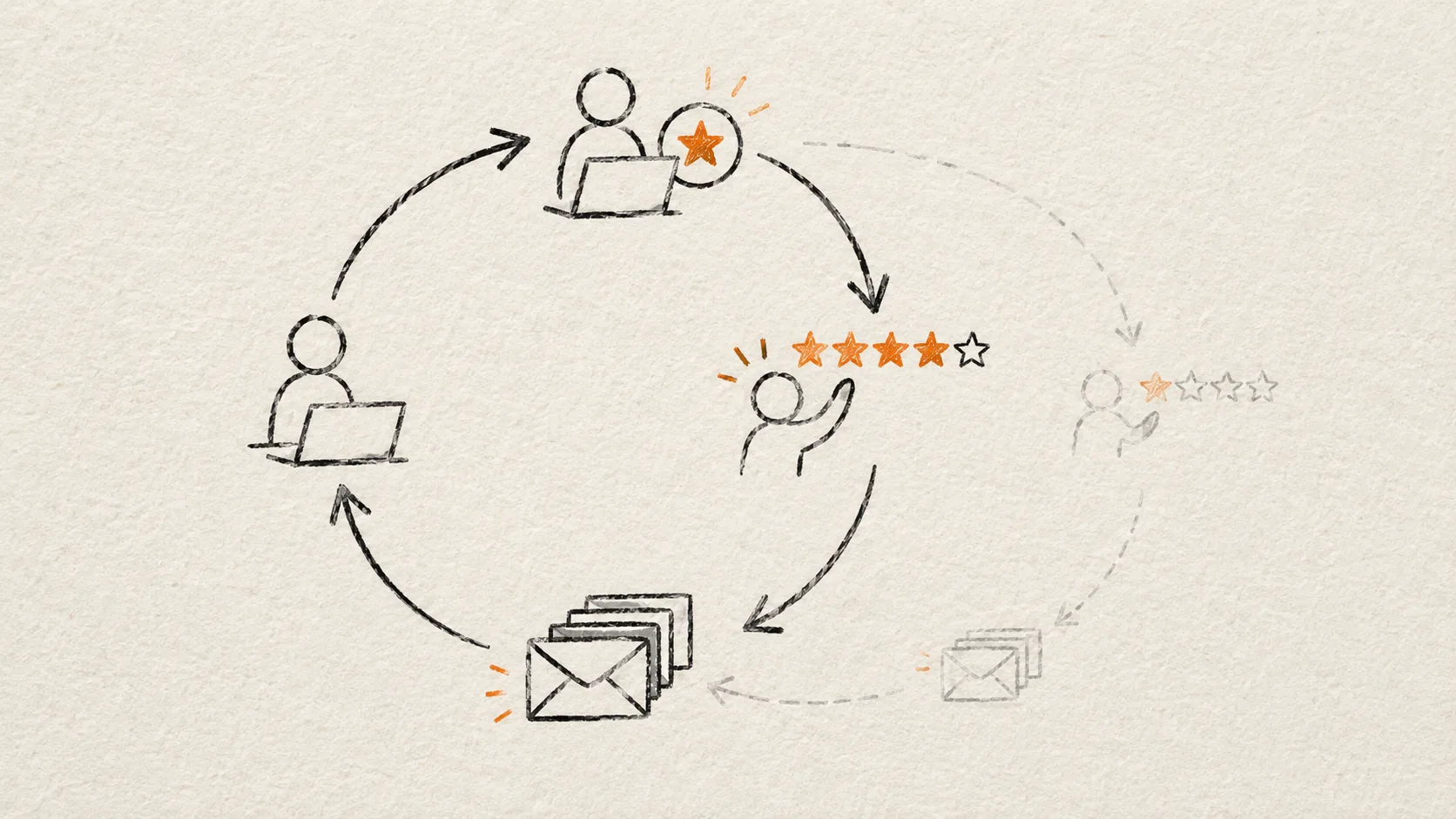
Invitations depend on two things: whether customers currently want your profile, and your rating. Customers rate participants after each test, and UserTesting states that higher-rated participants receive more invitations, because the buyers are paying for feedback they can use.
The trap is the incomplete test. If something breaks mid-session, the platform tells you to report a problem rather than submit an unfinished recording, because incomplete submissions frequently draw one or two star ratings. Low ratings can reduce future invitations, and most people never connect the drop to the cause.
Start Earning Without an Audition
Scan, share and get rewarded from day one.
Where UserTesting Fits Against the Alternatives
Paid research is not one market. The platforms differ in what they ask of you and how often they call.
User Interviews runs longer interview sessions rather than short recorded tasks, and pays more per session when you match. The tradeoff is frequency: qualifying is rarer, so it rewards patience over volume.
Prolific is academic and market research with a published pay floor per hour, which makes the rate predictable in a way UserTesting deliberately is not.
And Apex Focus Group is worth naming for contrast: it does not run studies at all, it forwards opportunities operated by third parties. UserTesting is the counterparty you deal with from application to payment, which is a meaningful difference when something goes wrong.
For work that arrives constantly rather than by invitation, survey apps that actually pay sit at the other end: far less per hour, but no waiting to be chosen.
Verdict
UserTesting is unusually transparent about mechanics. The rate per test is visible before you accept, the payment method and timing are documented, and the reason you are or are not getting invitations is explained rather than left mysterious.
What it is not is predictable income. There is no guaranteed volume, the money arrives a fortnight late, and the first unpaid test is a real barrier for some applicants. It works best as an occasional top-up for someone who talks easily while thinking, and poorly as anything you plan a budget around.
FAQ
Is UserTesting legit?
It operates its own participant network, publishes the payment method and timing, and shows the reward for each test before you accept it. The method and schedule are documented; the volume of tests you receive is not predictable.
How much does UserTesting pay per test?
It varies by test type, length and customer demand, and the company does not publish a fixed rate. Your dashboard shows the amount for each test before you start it.
How does UserTesting pay?
Through PayPal, in USD, to a confirmed account in good standing. Payment for a standard test is usually sent 14 days after completion, and PayPal itself can add another day or two.
Do you get paid for the practice test?
No. The practice test is part of the application to join the participant network and is explicitly unpaid.
Why am I not getting any tests?
Invitations depend on customer demand for your profile and on your participant rating. Submitting incomplete tests tends to attract low ratings, which reduces future invitations. Reporting a problem is the recommended route when a test cannot be finished.
Can you use UserTesting outside the United States?
Payments are made in USD through PayPal, with conversion left to you, which is the practical constraint rather than the location itself. Availability of tests still depends on whether customers are researching your market.
References
- UserTesting, Get Paid to Test: what the participant network is and how to join
- UserTesting, Make Money Online: PayPal payment in USD, the 14-day timing, variable reward and the effect of ratings
- UserTesting, Application Process: the practice test required to join
- UserTesting, Testing Process: what happens once you are approved