


Respondent publishes its numbers, which almost nothing else in this category does. It advertises a $75 average payout, sessions around 45 minutes, payment within 48 hours of a verified session, and most studies paying between $50 and $250.
Those figures come from the platform itself, so treat them as what it promises rather than what everyone earns. This review looks at what those numbers actually mean, what the model asks of you in return, and who it fits.
Rewards You Can Read Up Front
Know what you earn before you start, from a platform that runs its own system.
What Respondent Is
Respondent connects companies doing research with people who match the profile they need, for interviews, surveys and focus groups, remote and in person.
Its own description of the flow is short: apply once, get matched only when you fit, get paid once the session is verified. Identity is verified a single time and reused for future studies, which is the part that separates it from lists that resell your email.
The platform says it has over 4.3 million verified participants, and the studies it shows as recent examples are specific: a 60-minute video interview with a fintech for senior product managers, a 30-minute interview about multi-city travel booking, a 45-minute session with nurses about clinical alerts. That specificity is the model in one glance. It is not paying for opinions in general, it is paying for a background someone needs.

The Numbers Respondent Publishes
Unusually for this category, the rates are on the page rather than buried in user reports:
- Average payout: $75
- Typical session: 45 minutes
- Most sessions: $50 to $250, depending on length and seniority
- Senior B2B roles: regularly $400 and above
- Paid after session: 48 hours
Read the $75 average carefully: it is an average across sessions, not a rate you are owed. The spread from $50 to $400-plus is doing the real work in that number, and where you land inside it depends almost entirely on how hard your professional profile is to recruit.
Still, an hourly equivalent well above survey work is not in dispute here. A 45-minute session at $75 is a genuinely different order of magnitude from microtask apps paying cents per task. The question was never whether the rate is good.
Earnings That Do Not Depend on Your Job Title
Get rewarded for everyday actions, whatever your profile.
The Catch Is Frequency, Not Payment
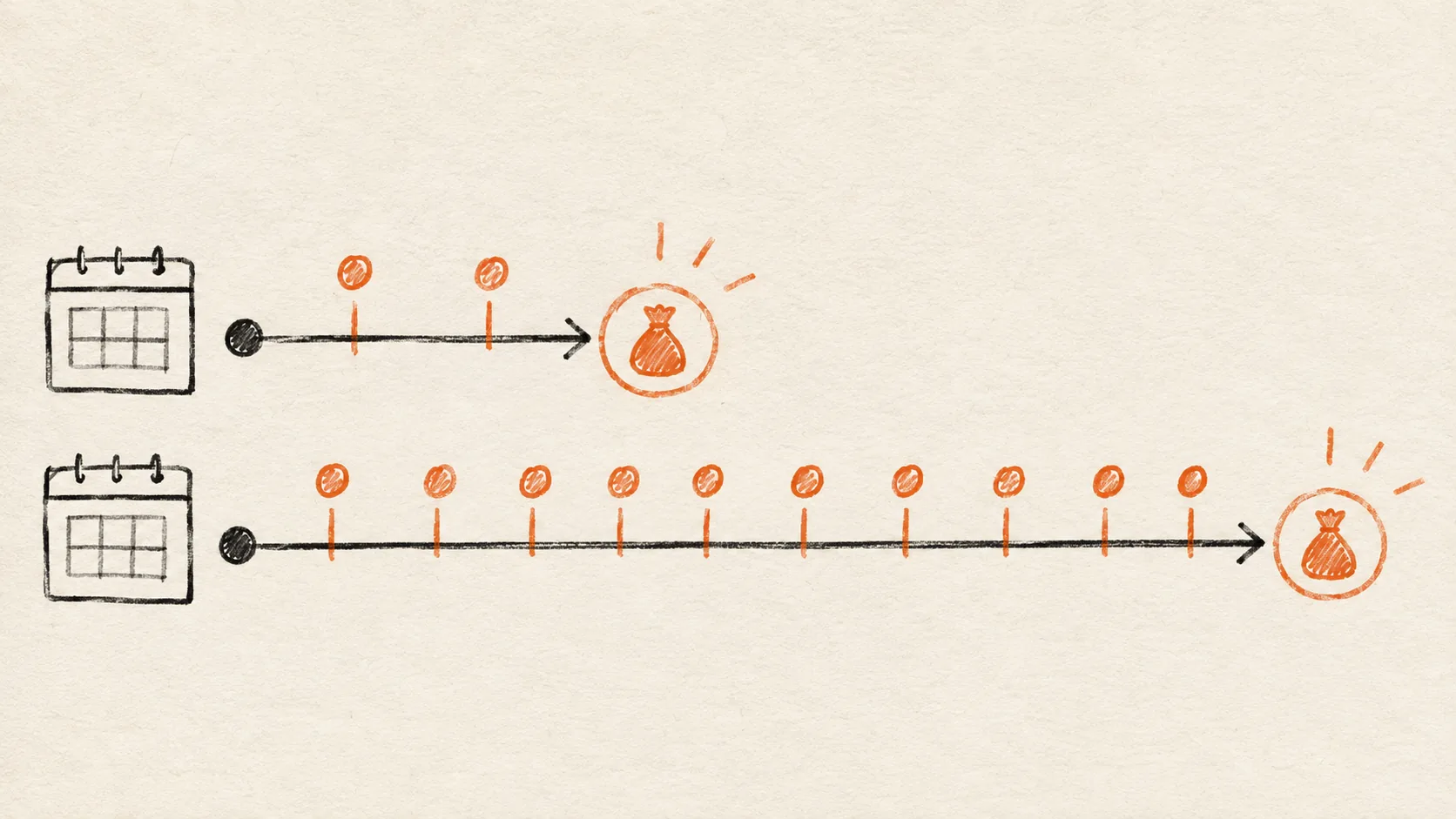
Respondent states the constraint openly, which is to its credit: most participants get one to three invitations a month.
That single line is the whole economics of the platform. One to three invitations means only a few chances to qualify each month, and how many of those turn into paid sessions is not published. Being invited is not the same as being selected.
The platform frames this as a feature rather than a limitation, describing it as no spam and no junk surveys, and that framing is fair. You are not wading through low-value tasks to reach the good ones. But it does mean the income is occasional by design, and nobody should treat it as a replacement for regular work.
This is the same shape you find across serious paid research, including User Interviews. The rate is high precisely because the recruiting is narrow.
How and When You Get Paid
Payments go out through Tremendous once the session is verified, which the platform puts at 48 hours after the session.
Worth noting that verification is a step rather than a formality: the payment is tied to the session being confirmed. And because the money moves through Tremendous, the practical experience of receiving it depends on that service as well as on Respondent.
Compared with 14-day cycles elsewhere in paid research, 48 hours is fast. It is one of the strongest points in the platform's favour and worth weighing against the low invitation frequency.
Who Actually Earns Well Here
The published rates make this clearer than usual. Respondent pays for scarcity, and the sample studies show exactly which kinds:
- Senior B2B professionals with decision authority, the group the platform says regularly clears $400. Product managers with pricing responsibility, IT buyers, finance leads.
- Licensed or clinical roles, such as nurses, where the population researchers can reach is genuinely limited.
- Specific consumer behavior, like having booked a particular kind of trip recently. Lower paid, but far more people qualify.
If your profile is none of those, the platform still works, but you sit in the widest part of the funnel competing for consumer studies at the lower end of the range. Being honest about which group you are in tells you whether to expect $60 occasionally or $400 sometimes.
One thing worth saying plainly: inflating your profile to reach the higher-paid studies is self-defeating. Screening for senior B2B work is done by people who do that job, and identity is verified once at signup.
No Waiting to Be Selected
Scan, share and earn without a screener deciding first.
Respondent Against the Alternatives
User Interviews is the closest comparison: same interview format, same recruit-by-profile logic, same rarity of qualifying. Signing up for both can make sense, since neither generates much volume alone.
UserTesting is a different shape of work. Short recorded tasks instead of live interviews, less per session, and the rate is shown before you accept.
Prolific publishes a pay floor per hour rather than per-session ranges, which suits people who want predictability over occasional larger payouts.
And Apex Focus Group is the contrast case: it forwards studies run by other companies rather than operating them. With Respondent, the platform recruiting you is the one paying you.
Verdict
Respondent is one of the more transparent platforms in paid research. It publishes its rates, states the payment route and timing, and tells you upfront that most participants see one to three invitations a month rather than pretending volume is available.
It rewards a scarce professional profile more than it rewards effort. For senior B2B and specialised roles, the published numbers are among the best in this category, and 48-hour payment is genuinely fast. For everyone else it is worth signing up for, worth zero planning around, and best run alongside the other platforms rather than instead of them.
FAQ
Is Respondent legit?
Yes. It recruits participants itself, publishes its payout figures and payment route, and pays through Tremendous once a session is verified. The limitation it states openly is how often studies match you.
How much does Respondent pay?
The platform advertises a $75 average payout, with most sessions between $50 and $250 depending on length and seniority, and senior B2B roles regularly above $400. Those are the platform's own published figures.
How often do you get studies on Respondent?
The platform states that most participants receive one to three invitations a month. An invitation is not a booking, since you still have to fit the study.
How does Respondent pay participants?
Through Tremendous, once your session is verified, which the platform puts at 48 hours after the session.
Is Respondent better than User Interviews?
They are close substitutes with the same constraint: high pay per session, low frequency of qualifying. Signing up for both rather than choosing can make sense, because neither produces steady volume on its own.
Do you need a specific job to earn well?
It helps considerably. The highest published rates are attached to senior B2B and specialised professional roles, because those participants are harder to recruit. Consumer studies pay at the lower end of the range but match far more people, closer to how everyday money apps work.