

A useful small business idea starts with a specific customer and a repeated problem, not a long list of fashionable industries. The goal here is to choose an offer you can test on a small scale, learn from real conversations and improve before making a large commitment. The 21 ideas below are prompts for validation, not promises of customers or income.
Give Your First Offer One Clear Page
A VISU Link page can present your offer, examples and external contact or booking link while you test what customers understand.
Choose a Problem Before a Format
The US Small Business Administration recommends market research that examines demand, market size, location, saturation and alternatives. OpenStax similarly frames opportunity research around unmet needs and testing assumptions. Put those ideas into a simple sequence: choose a customer you can reach, name one costly or frustrating moment, offer a narrow result and ask for evidence before building more.
This is what separates a small business from a one-off task. A side hustle can be any occasional way to earn extra money. A business offer becomes repeatable when the same type of customer recognizes the same problem, understands the deliverable and can buy again or refer someone similar. You are designing that loop, not applying for a job.
Score each candidate from one to three on access to buyers, clarity of the problem, ability to deliver now, low-risk testing and natural repeat demand. A modest idea with reachable buyers usually teaches more than an exciting idea aimed at "everyone."
Seven Local Service Ideas
| Idea | Buyer and problem | First offer and small test | Repeat path |
|---|---|---|---|
| Home organization reset | Busy household with one unusable room | Organize one defined zone for two pilot clients | Seasonal resets or maintenance visits |
| Pet visit route | Nearby owners needing predictable daytime care | Offer one route and time window | Weekly schedule |
| Senior tech setup | Families needing patient device help | Set up one phone, backup and written guide | Follow-up and new-device sessions |
| Move-in setup | Renters overwhelmed by first-day tasks | Unpack and organize one room | Referrals through property contacts |
| Garden care visit | Households with small neglected outdoor areas | One assessment and basic care session | Seasonal visit plan |
| Event setup assistant | Small hosts needing hands before and after an event | Define a setup and teardown checklist | Planner and venue referrals |
| Mobile bicycle tune-up | Local riders postponing basic maintenance | Offer a clearly bounded safety and adjustment service | Periodic maintenance |
Keep the boundary narrow. "Home services" says little; "reset one pantry in a two-hour appointment" helps a buyer picture the outcome. Before choosing work involving safety, health, children, animals or regulated trades, confirm that your skills, insurance and local requirements fit. This article deliberately does not provide licensing or tax instructions.
Seven Creative and Digital Ideas
| Idea | Buyer and problem | First offer and small test | Repeat path |
|---|---|---|---|
| Short-form video editing | Local expert with recorded footage but no finished clips | Edit three clips from supplied material | Monthly batch |
| Product photography refresh | Small seller with inconsistent listings | Photograph one product family | New-launch batches |
| Newsletter production | Organization with updates but no publishing rhythm | Turn one briefing into one issue | Monthly edition |
| Presentation cleanup | Consultant with useful but unclear slides | Redesign one short deck using existing facts | Pitch and workshop decks |
| Website content maintenance | Local business with stale hours, photos or service pages | Audit and update five priority items | Quarterly review |
| Podcast production support | Host delayed by editing and publishing | Finish one supplied episode | Episode package |
| Digital template customization | Small team repeating documents manually | Build one branded working template | Template library and updates |
A portfolio needs evidence of the deliverable, not invented client results. Create a sample from your own material or obtain permission to show pilot work. Explain the input you need, the number of revisions and what the customer receives. Your VISU Link page can point to an external portfolio, inquiry form and calendar, but it is not a native store, booking system or payment processor.
Show the Offer Before Expanding It
Put the customer, result, boundary and next step on one page. Link to an external form or booking tool if you use one.
Seven Product-Based Ideas
| Idea | Buyer and problem | First offer and small test | Repeat path |
|---|---|---|---|
| Event welcome kits | Small organizers needing consistent guest materials | Prototype one kit for a defined event type | Each event or season |
| Refillable home-care set | Households wanting a simpler supply routine | Test one clearly labeled set with a tiny batch | Refills |
| Desk organization kits | Remote teams needing coherent onboarding items | Assemble one sample kit after buyer interviews | New-hire orders |
| Local activity cards | Families seeking screen-light weekend prompts | Print a small themed edition | Seasonal packs |
| Plant care bundles | New plant owners confused by basic routines | Pair simple supplies with an original care card | Consumable refills |
| Specialty gift wrapping | Shops or customers short on presentation time | Offer one style for one occasion | Holiday and event cycles |
| Workshop material packs | Teachers and facilitators assembling repeated sessions | Prepare one tested participant pack | Per cohort |
Products can hide risk in inventory. Validate the buyer and use case before making a large batch. Show a mockup or safe prototype, ask what would make it useful and request a meaningful commitment such as a pilot order when you can fulfill it. Do not collect money for a product you cannot deliver. Check safety, labeling and intellectual-property requirements that apply to the actual product.
The One-Page Offer Worksheet
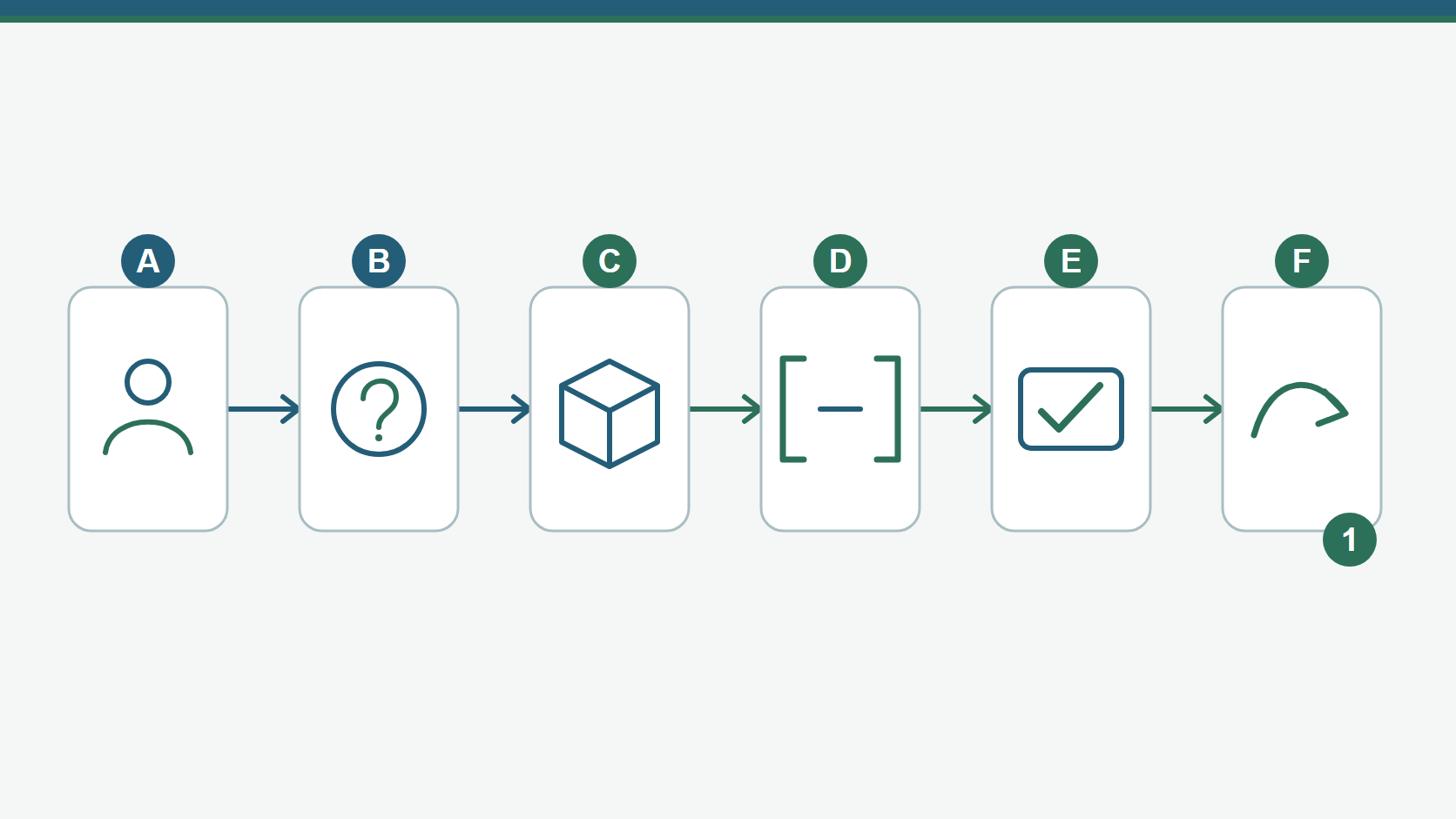
Customer: "I help [specific buyer]." Moment: "When [observable situation] happens." Problem: "They struggle with [one costly or frustrating task]." Offer: "I deliver [specific result] using [defined inputs]." Boundary: "This includes [items] and excludes [items]." Proof: "They can inspect [sample, process or pilot]." Next step: "They can [book a conversation, request a sample or join a pilot]."
Example: "I help independent fitness instructors who record classes but never publish clips. From one folder of approved footage, I edit three vertical videos with captions and one revision round. The pilot covers editing only; filming and account management are excluded. Review the sample and request a pilot slot." The sentence names a buyer, a bottleneck, a deliverable and a boundary without promising audience growth.
Run a Small Test Before You Invest
Sebrae's validation guidance emphasizes testing the problem, defining a target audience, using a minimum viable version and collecting feedback before a larger investment. Start with five to ten conversations with people who match your customer description. Ask about the last time the problem happened, what they did, what was difficult and what alternative they chose. Avoid asking only whether they "like" your idea.
Next, offer a bounded pilot you can deliver well. Track replies, qualified conversations, accepted pilots, delivery friction, repeat requests and reasons for refusal. Those observations are more useful than likes. If nobody acts, revisit the buyer, timing or problem before adding features.
Make the offer findable after the test. A basic local presence may include an accurate Google Business Profile when eligible; this guide to setting up a Google Business Profile explains that separate channel. Keep each page honest about location, availability and the external tool used for contact or booking.
Turn the Worksheet Into a Public Test
Use VISU Link to publish your offer, examples and external contact destination. Update the page as interviews reveal clearer language.
Frequently Asked Questions
How do I choose among many small business ideas?
Compare access to buyers, urgency of the problem, your ability to deliver, the cost of a small test and the chance of repeat demand. Interview likely buyers before committing.
What makes an idea different from a side hustle or job?
A business idea defines a repeatable offer for a type of customer. A side hustle can be occasional work, while a job usually means filling a role for an employer.
Do I need a complete business plan before testing?
No. Begin with a clear customer, problem, offer boundary and small test. Record evidence and expand planning as the commitment and risk grow.
How many ideas are in this guide?
There are 21 prompts across local services, creative and digital work, and products. They are starting points to adapt after customer research.
Should I build a website or buy inventory first?
Usually test the problem and offer first. Use a simple page or mockup and avoid a large inventory commitment until buyers show meaningful interest.
Can VISU Link take bookings or payments?
VISU Link is a public link and profile destination with a native QR and plan-dependent analytics. It can point to external booking, form, portfolio or payment services; those functions are not native.