


Testerup is a real platform that pays people for testing apps and completing tasks, and that fact answers less than it seems to. "Legit" and "worth your evening" are different questions, and the second one is where most of these platforms actually get decided. A company can send every payout it promises and still be a poor use of two hours.
This page separates the two. What Testerup is, how the money reaches you, where the model runs into limits, and the specific things worth checking before you spend a weekend on it.
Know the Rules Before You Spend the Evening
VISU publishes what it pays for and when it credits, before you start. No deposit is ever required to withdraw what you earned.
What Testerup Is and How It Works
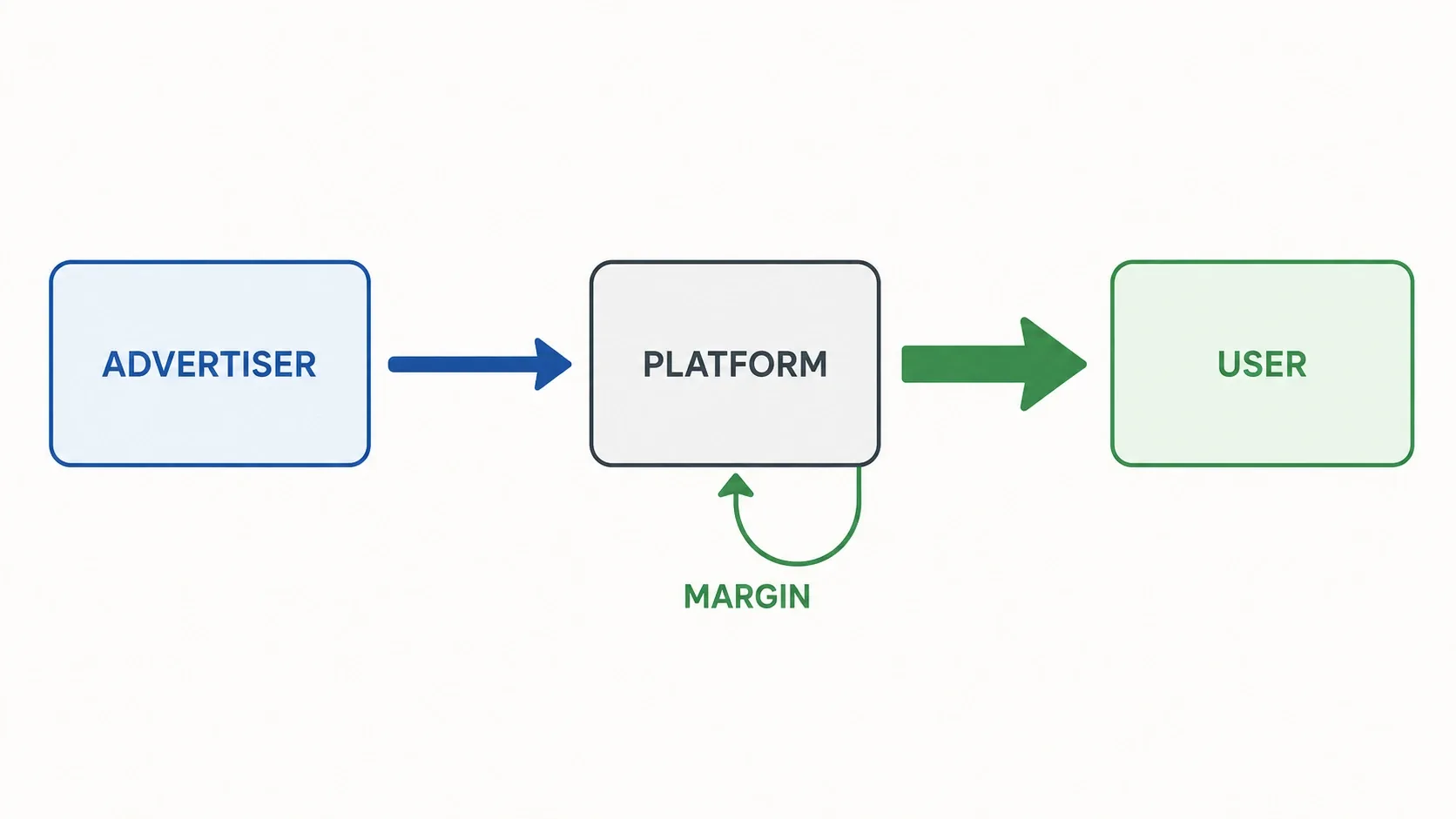
Testerup sits in the category usually called a get-paid-to platform. It connects people willing to do small digital tasks with companies that need those tasks done, and takes a margin in between. The tasks are mostly app testing, sign-ups, trials and surveys.
The economics are worth understanding, because they explain almost everything about how these platforms behave. An advertiser pays for a completed action, such as a user who installs an app and reaches a certain point inside it. The platform receives that payment, keeps part of it, and passes the rest to whoever completed the action. Your earnings are a share of an advertiser's acquisition budget.
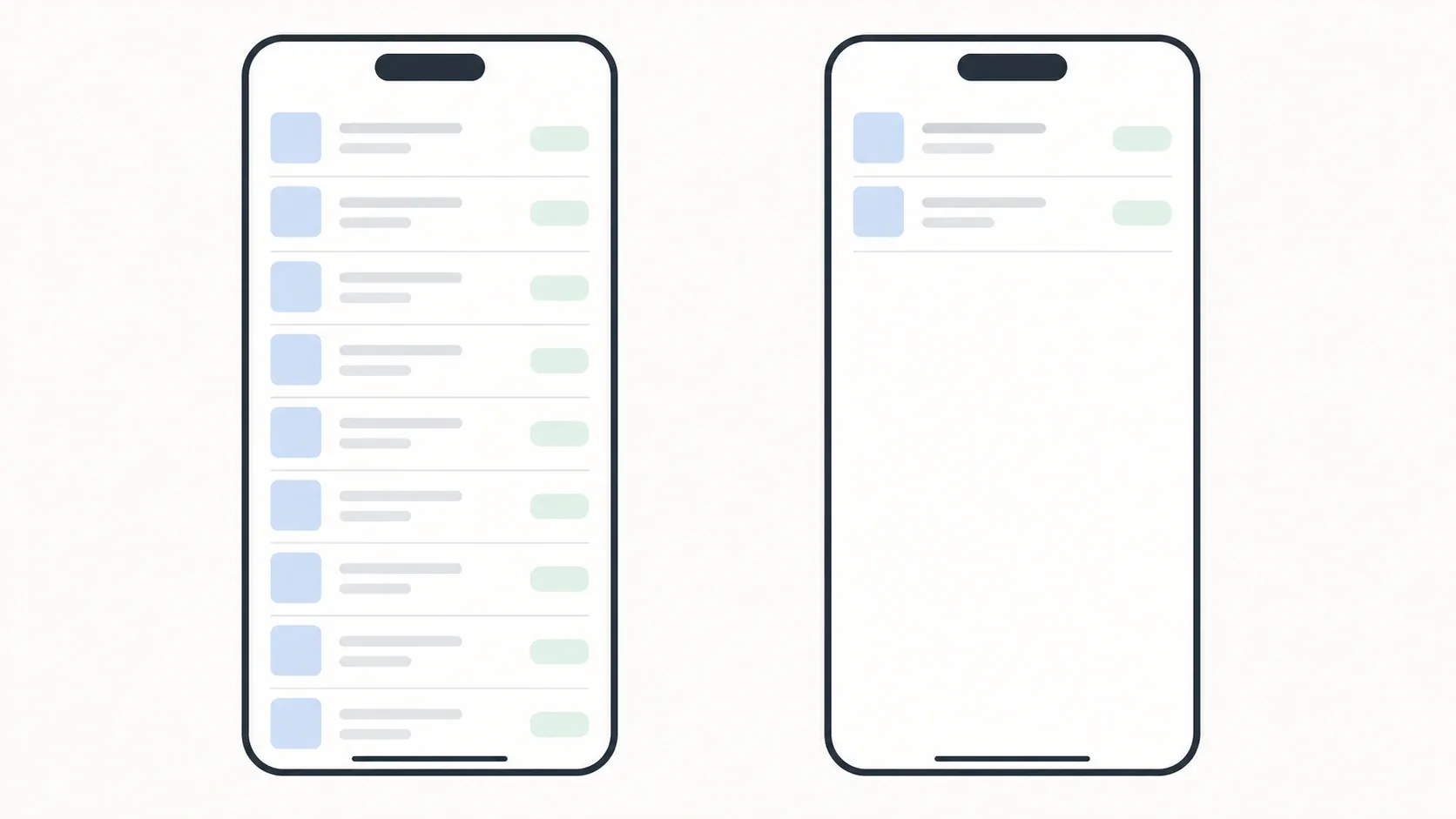
Two consequences follow directly, and neither is a scandal. Offers appear and disappear without warning, because advertiser campaigns start and stop. And what is available to you depends heavily on your country, because acquisition budgets are allocated per market. The same platform can be busy for a user in one country and nearly empty for a user in another, on the same day.
The offer wall is the product. On any platform of this type, the interesting question is not the sign-up bonus but what is actually listed when you open it. Look before you invest an evening.
Running the Five-Question Test on It
Rather than repeat the general framework here, it is worth applying it. The five questions we use to evaluate any money app exist so that individual apps can be checked quickly, and Testerup is a reasonable case to run them on.
Who operates it? Testerup is operated by aestimium GmbH, a German company registered in Hamburg. The site's legal imprint names the company, its managing director and its commercial-register entry (HRB 190020), and the privacy policy identifies the same entity as the operator of the service. That clears the first gate: there is a named legal entity behind the platform, subject to a jurisdiction, rather than an anonymous website.
It is worth being precise about what that does and does not establish. A verifiable operator proves who is responsible. It does not prove payout reliability, offer quality, or that nothing will go wrong. It removes the category of outright fraud that cannot survive the question of who is legally behind it, and then the real evaluation starts.
How does it claim to make money? Advertiser payments for completed actions, as described above. The model is ordinary and it is the same one used across this whole category. Nothing here depends on recruiting other users, which is the pattern worth avoiding.
Do you ever have to pay to unlock earnings? This is the critical one, and it is worth being precise: a legitimate platform never asks you to deposit money in order to withdraw money. If any platform, this one included, ever asks for a payment to release your balance, that is where you stop. The FTC has documented this specific pattern as the defining mechanic of task scams.
Are the payout rules disclosed in advance? Check the minimum threshold and the methods before you start, not after you have accumulated a balance. This is a matter of reading, and it takes two minutes.
Legit versus worth it? This is the whole rest of the page.
Getting Paid: What to Verify Yourself
Two facts from Testerup's own documentation shape this more than anything else, and both are worth knowing before you start rather than after.
The cash-out minimum is US$70, or the local equivalent. That is a high threshold by the standards of this category, and it is the single most important number on the page. It means the platform is not a way to earn five dollars on a Tuesday evening. You are committing to accumulate a meaningful balance before any of it becomes withdrawable, which changes the calculation entirely: a few surveys will not get you there, and abandoning the platform halfway leaves the balance stranded.
Availability is restricted. Testerup's own support material currently limits accounts to the United States, Canada excluding Québec, and the United Kingdom, with some further exclusions. If you are outside those, the question of whether it pays well is moot. Registration itself is free, as it should be on any platform in this category.
The Terms describe the mechanism plainly: tasks carry a stated value and a deadline, and the reward credits after the advertiser confirms completion. That confirmation step is where the most common genuine complaint in this whole category lives, and it is not fraud. Attribution passes through several parties and it sometimes breaks, leaving a completed task uncredited. Find the support route for that before you need it.
Numbers like the threshold do change. Check the current figure inside your account rather than trusting any review, this one included, months after it was written.
Check the Threshold Before the Evening, Not After
The most common way an earned balance never gets paid out is a withdrawal minimum nobody read first. VISU shows what it credits and when, upfront.
Why Earnings Vary So Much Between People
Search for what any of these platforms pays and the reports contradict each other wildly. That is not because people are lying. It is because the earnings genuinely differ by a large factor, and the reasons are structural.
Country. Advertiser budgets per market drive both how many offers exist and what each one pays. This is the single largest source of variation, and it means a figure quoted by a user elsewhere tells you little about your own case.
Device and profile. Some offers target specific operating systems or user segments. Two people in the same city can see different lists.
Which offers get taken. High-value offers on these platforms often involve trials with a payment step, which is a different proposition from a survey and carries its own commitments. People who avoid those see much lower ceilings, legitimately.
The practical takeaway is to distrust any single earnings figure, including flattering ones. The honest answer to "how much does it pay" on any get-paid-to platform is that it depends on your market and on which offers you are willing to take.
Where It Falls Short
The limitations here are the category's limitations more than they are one company's failings, and they are worth stating plainly.
Tracking failures happen. An offer completed that does not credit is the most frequent genuine grievance across every platform in this category. Attribution passes through several parties, and it sometimes breaks. Good platforms resolve these; the process is still slow.
The best-paying offers are not free. Trials that require a card, subscriptions with a cancellation window, purchases that must be completed. These are legitimate offers and they are also where people get caught by a renewal they forgot.
Hourly value is modest. This applies to the whole category. Task platforms are a way to convert spare attention into small amounts of money, not a wage. Any framing that suggests otherwise is a marketing frame rather than a description.
Availability is volatile. A good week is not a promise about next week, because the offer wall is a reflection of campaigns that end.
Verdict: Legit, and Then What?
Testerup passes the legitimacy gate. aestimium GmbH is an identifiable German company running an ordinary advertising-arbitrage model, and the mechanics that define actual scams, paying to be paid and earning by recruitment, are not what it is doing.
Whether it is worth your time is a separate question, and for this platform it turns mostly on one number. A US$70 minimum is high enough that the decision is not "shall I try this for an evening" but "am I prepared to use this consistently enough to reach seventy dollars". If the answer is no, a platform with a lower threshold suits you better regardless of which one pays more per task. If the answer is yes, the remaining variables are your country, what the offer wall actually lists for you, and whether you will take offers that involve a payment step.
And the general rule that survives every app in this category: no legitimate platform requires a deposit to release earnings. That single line disqualifies more bad actors than any review ever will.
Earning That Does Not Ask for a Deposit
VISU pays for attention you already give, with the rules published before you start and no payment required to withdraw.
FAQ: Is Testerup Legit?
Is Testerup a scam?
No. It is operated by aestimium GmbH, a German company registered in Hamburg, whose legal imprint names the managing director and commercial-register entry. The model is a standard get-paid-to one: advertisers pay for completed actions, the platform keeps a margin and passes the rest to users. The mechanics that define task scams, being asked to deposit money before you can withdraw earnings, or earning primarily by recruiting others, are not part of how it works.
Does Testerup actually pay?
The model is a real one and payouts are the product it sells to users. What varies is whether an individual reaches the threshold, and whether every completed offer credits correctly. Tracking failures are the most common genuine complaint across this entire category, so check the support route for uncredited offers before you need it.
How much can you earn on Testerup?
It depends heavily on your country, because advertiser budgets are allocated per market and determine both how many offers exist and what they pay. It also depends on whether you take offers that involve a trial or a payment step, which pay considerably more than surveys. Treat any single quoted figure, high or low, as a description of one person's market rather than a forecast for yours.
Do you have to pay to use Testerup?
Signing up should never cost anything, and no legitimate platform asks for a deposit in order to release your balance. Some individual offers do involve a payment, such as a trial that requires a card, and those are ordinary advertising offers rather than a fee to the platform. The line worth holding is absolute: if you are ever asked to pay to withdraw, stop there.
What is the minimum payout on Testerup?
US$70, or the local equivalent, according to Testerup's own documentation. That is high for this category and it is the number that should drive your decision: reaching it requires consistent use rather than a single evening, and a balance abandoned below the threshold stays unwithdrawable. Check the current figure in your account, since thresholds change.
Which countries can use Testerup?
Testerup's support material currently limits accounts to the United States, Canada excluding Québec, and the United Kingdom, with some further exclusions. If you are outside those, availability rather than earnings is the deciding factor. Registration itself is free.