

Fall is short, and the best weekends go to people who plan around its real calendar: the color window, the harvest weeks and the evening that suddenly gets dark an hour earlier. These 30 fall activities are sorted by where you will be and who is coming, with the 2026 dates that change your plans.
Share Your Fall Plans From One Link
A VISU Link page can hold the public links you choose to share, such as a shared photo album, an event page or a sign-up form. Send one link or its QR code instead of five.
The 2026 Fall Calendar That Shapes Your Plans
Most lists of fall activities treat the season as one long weekend. It is not. Early fall is harvest time, mid fall is when leaves turn, and late fall arrives with short evenings once the clocks change. Picking the right activity for the right part of the season matters more than picking the perfect activity.
Astronomical fall began with the September equinox, which the U.S. Naval Observatory lists at 00:05 UTC on September 23, 2026. On the East Coast that was 8:05 p.m. on September 22. From there, a few fixed dates are worth writing on the family calendar.
| Date in 2026 | What happens | How to use it |
|---|---|---|
| October 27 | National Park Service fee-free entrance day | Plan a park visit if you are a U.S. citizen or resident |
| November 1, 2 a.m. | Daylight saving time ends and clocks go back one hour | Move outdoor plans earlier; evenings get dark sooner |
| November 11 | Veterans Day and another fee-free park day | A second chance for a late-season park outing |
| November 26 | Thanksgiving Day | Save home and gratitude activities for the week before |
The National Park Service notes that, starting in 2026, free entrance on those days applies to U.S. citizens and residents only, and that other fees such as timed entry or reservations may still apply. Check the specific park page before you drive.
Outdoor Fall Activities for Peak Color
Leaves change because trees stop making food as daylight shortens and temperatures drop. SUNY College of Environmental Science and Forestry explains that as chlorophyll breaks down, the green fades and the yellow and orange pigments show, while red comes from anthocyanin pigments that form in the fall. The same source notes that cool temperatures above freezing favor bright reds and that an early frost weakens them. In practice, that means color changes week to week, so keep one outdoor day flexible.
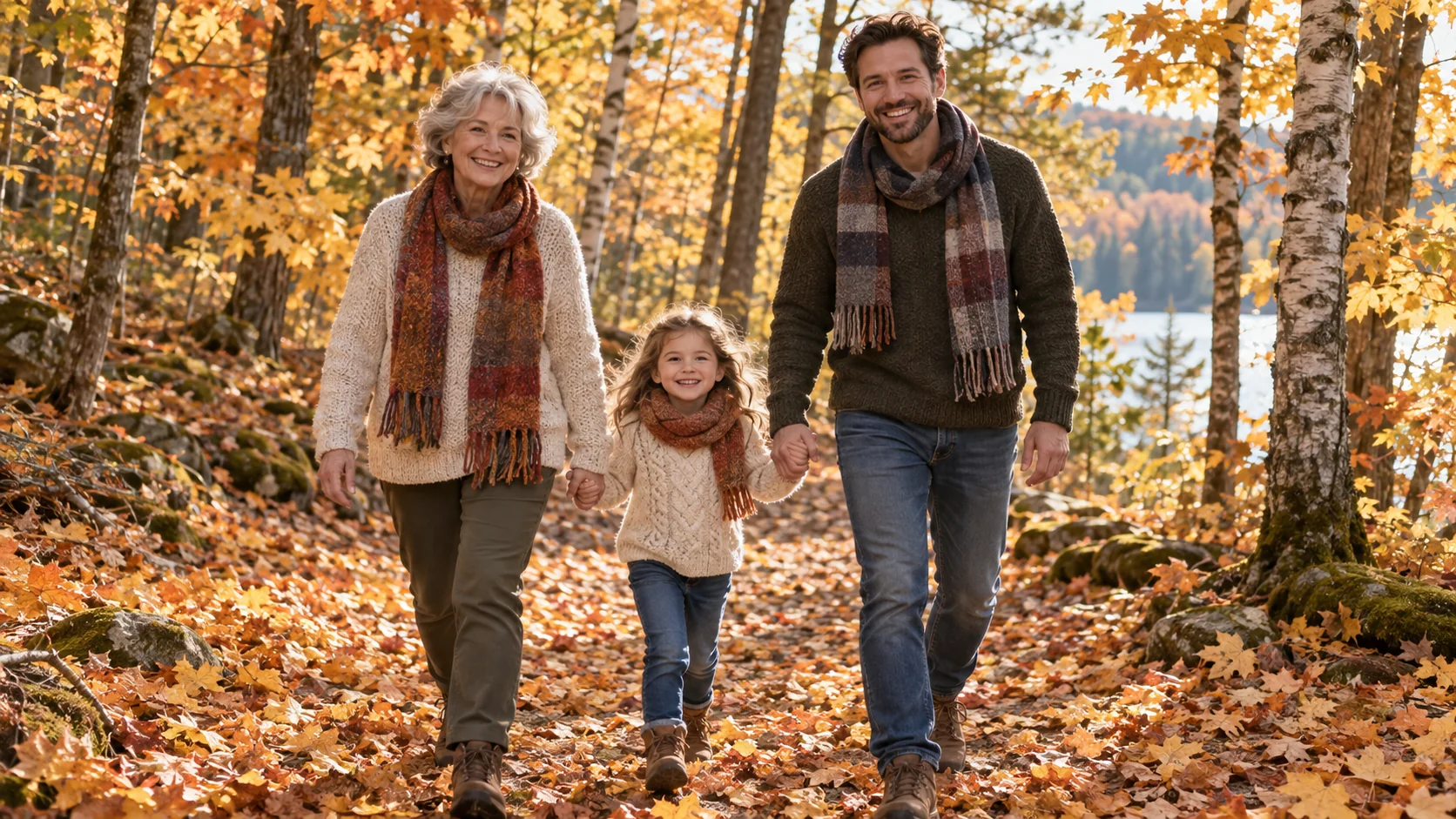
- Walk a local loop on a clear, cool day. The ESF guide says the best time to enjoy autumn color is a clear, dry and cool, not freezing, day. You do not need a famous drive; a familiar park trail looks new every week in October.
- Take a leaf-color drive with a turnaround point. Pick a road you know, set a halfway stop for a picnic, and head home before dark. Short drives beat long ones in a season when color can peak and drop quickly.
- Watch bird migration from your backyard. BirdCast, a radar-based migration forecast, runs its live and forecast maps from August 1 to November 15 for the contiguous U.S. Check the evening forecast, then go out at dawn with binoculars to see who stopped over.
- Visit a national park on a free day. Use October 27 or November 11 for a longer outing. Arrive early, since free days can be busy.
- Go on a leaf collecting hike. Give everyone a paper bag and one rule: one leaf per tree species. At home, press them between heavy books for a week.
- Hike through leaf litter, then do a tick check. The CDC notes that ticks live in grassy, brushy or wooded areas and advises walking in the center of trails, checking clothing and gear, and doing a full body check after being outdoors, including in your own backyard.
Farm and Harvest Outings
Harvest outings fill up on weekends, so check each farm's own website or social page for hours, picking conditions and reservation rules before you leave. Crops, weather and local rules decide what is open, and they change year to year.
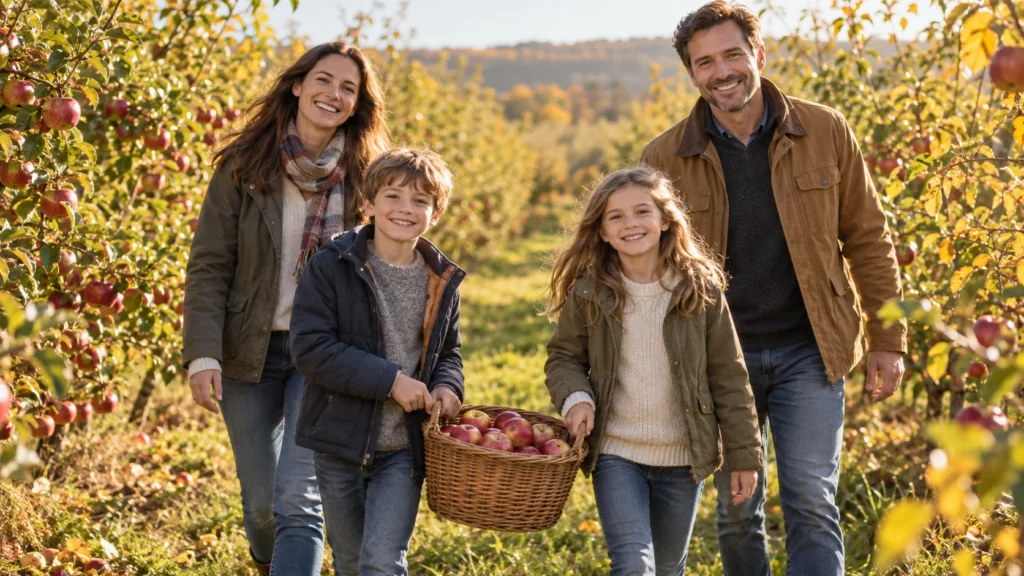
- Pick apples at an orchard. Ask which varieties are ready that day. Bring a bag or box in case the farm sells by the container.
- Try fresh cider, and ask how it was made. The FDA explains that some cider mills, farmers markets and roadside stands sell cider that has not been pasteurized, and that warning labels are not required for cider sold by the glass. Untreated juice can carry bacteria that pose a higher risk to children, older adults, pregnant women and people with weakened immune systems, so ask before pouring a cup for them.
- Choose a pumpkin from the field. Let each child pick one they can carry themselves. It keeps the choice fast and the ride home calm.
- Walk a corn maze in daylight. Agree on a meeting point at the entrance before you split up, and keep a charged phone in the group.
- Take a hayride. Check whether the farm runs them every day or only on set days, and sit where an adult can hold a small child steady.
- Plant something for spring. Fall is bulb season in cold-winter areas, and a bed or pot planted now gives kids a reason to watch the garden through winter.
If you want a planting project that pays off after winter, our guide on how to plant tulip bulbs walks through depth, spacing and timing.
One Page for Your Group's Fall Links
Organizing a harvest trip or a neighborhood walk? Put the meeting map, the sign-up form and the shared album on one VISU Link page.
Cozy Fall Activities at Home
Every fall plan needs a rain version. These work on a wet Saturday and cost little beyond what is already in the kitchen or the closet.
- Bake with the apples you picked. A crisp or a simple sheet cake uses up bruised fruit and gives kids a job: washing, measuring, stirring.
- Host a soup swap. Each household makes one big pot, divides it into containers and goes home with several different soups for the week.
- Make leaf crafts from your hike. Pressed leaves become bookmarks, window collages or place cards. Dry leaves crumble, so use the ones you pressed.
- Run a fall movie marathon. Let each person pick one film, write the order on paper and build breaks for snacks in between.
- Start a jigsaw puzzle that stays out all season. Leave it on a side table so anyone can add a few pieces on dark evenings.
- Fill a gratitude jar before Thanksgiving. Everyone adds one note a day in November. Read them together on November 26 or during the week before.
Fall Activities for Adults and Couples
Adults tend to skip fall plans because they sound like kid stuff. The fix is to choose activities with a slower pace and a real payoff: a meal, a view, a skill or a quiet evening.
- Take an early sunset walk after November 1. Once standard time returns, sunset comes an hour earlier on the clock. A walk right after work can now end with a sunset.
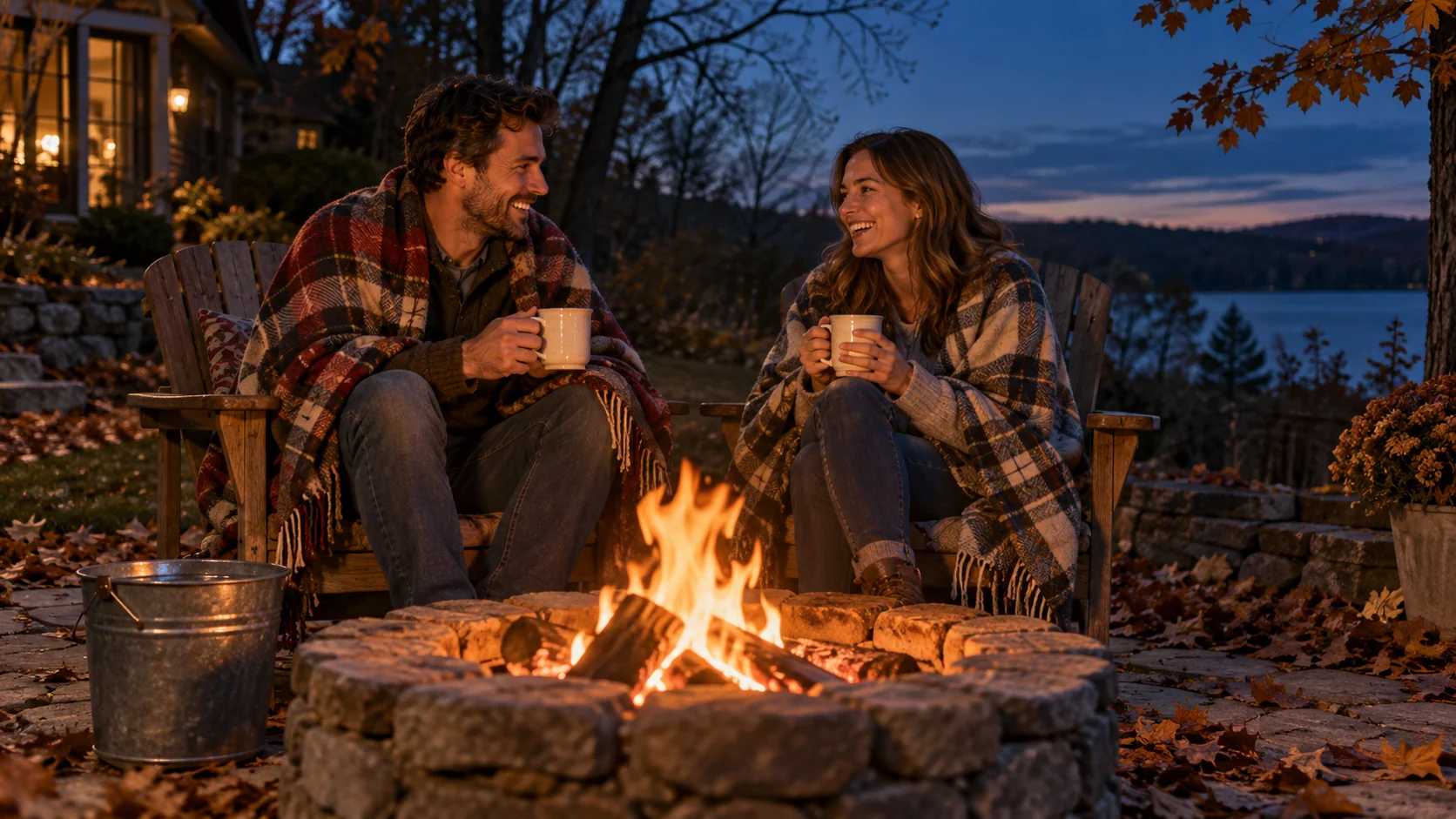
- Hold a fire pit evening. Check your town's burn rules first, keep water nearby, and plan simple food that cooks fast.
- Do a photo walk. Pick one theme, such as doors with wreaths, red trees or reflections in puddles, and shoot only that for an hour.
- Cook a harvest dinner from the farmers market. Buy three things you have not cooked before and build the menu around them.
- Volunteer for a park or trail cleanup. Ask your local parks department or land trust whether it has fall volunteer workdays. It is time outdoors with a purpose.
- Plan a Halloween night built for grown-ups. Pick a scary film, cook something seasonal and dress up only if you want to. The point is an evening you enjoy, not a party you have to host.
Fall Activities for Toddlers and Kids
For young children, the best fall activities are short, sensory and repeatable. Plan for 20 to 30 minutes, stop while it is still fun, and expect to do the favorite one again tomorrow.
- Rake a leaf pile and jump in it. Check the pile for sticks and stones first. Raking together is half the fun.
- Make leaf rubbings. Place a leaf under thin paper and rub the side of a peeled crayon over it until the veins appear.
- Paint pumpkins instead of carving. Washable paint and a small pumpkin are enough for a toddler. No knives needed.
- Sort nature finds. Collect pine cones, leaves and seed pods, then sort by color or size. Supervise closely, since small items are a choking risk for toddlers.
- Build a fall sensory bin. Dried leaves, large pine cones, cups and scoops in a shallow box keep little hands busy on a rainy day.
- Visit a community fall festival. School and church festivals are built around quick games, which suits short attention spans.
If you are the one organizing a school or neighborhood festival, see our ideas for fall festival games that keep the line moving.
If a child is too young for a full activity, give them one job inside a bigger one: carrying the bag at the orchard, holding the flashlight at dusk or placing the last leaf on a collage. One job is enough to make them part of it.
How to Build a Fall Weekend Plan
The five groups above hold 30 ideas, and no one needs all of them. A simple formula works for most households: one outing, one home activity and one rain backup per weekend.
- Choose the outing by the calendar. Harvest farms in early fall, color hikes in mid fall, park free days on October 27 or November 11.
- Pair it with a home activity that uses what you brought back. Apples become a crisp, leaves become crafts, photos become a small album.
- Keep a rain backup ready. A puzzle, a soup, a movie list. If it rains, you switch without losing the weekend.
- Move plans earlier after November 1. With clocks back to standard time, plan outdoor time for the morning and early afternoon.
- Write it down where everyone sees it. A sticky note on the fridge or a shared calendar event prevents the Saturday morning debate.
- End the season on purpose. Pick one last outing before Thanksgiving and let it close the fall, so the season does not just fade into winter.
Good fall plans are local. Your town's parks department, library and nearby farms usually post their own fall events, and those are the listings that answer the question of what to do this weekend near you.
Keep Your Public Links in One Place
VISU Link gives you a shareable visu.to/<username> page with a QR code. Use it for the public links you choose to share, from event pages to photo albums.
Frequently Asked Questions
When did fall start in 2026?
The U.S. Naval Observatory lists the September equinox at 00:05 UTC on September 23, 2026, which was 8:05 p.m. on September 22 on the East Coast.
When do the clocks go back in 2026?
NIST lists the end of daylight saving time in 2026 as November 1 at 2 a.m. local time, when clocks move back one hour.
What are some free fall activities?
Leaf collecting hikes, leaf rubbings, backyard bird watching, photo walks and leaf piles cost nothing. National parks also have fee-free entrance days on October 27 and November 11, 2026, for U.S. citizens and residents.
What can I do on a rainy fall day?
Bake with apples, start a jigsaw puzzle, host a soup swap, make crafts from pressed leaves or run a movie marathon. Keep one of these as a backup for every outdoor plan.
Is fresh cider from a farm stand safe for kids?
Ask whether it was pasteurized. The FDA says untreated juice can contain harmful bacteria and that cider sold by the glass does not need a warning label, and children face a higher risk of serious illness.
What are good fall activities for toddlers?
Short sensory activities work best: jumping in a leaf pile, painting a small pumpkin, leaf rubbings and a sensory bin. Supervise closely around small nature items such as acorns and seed pods.