

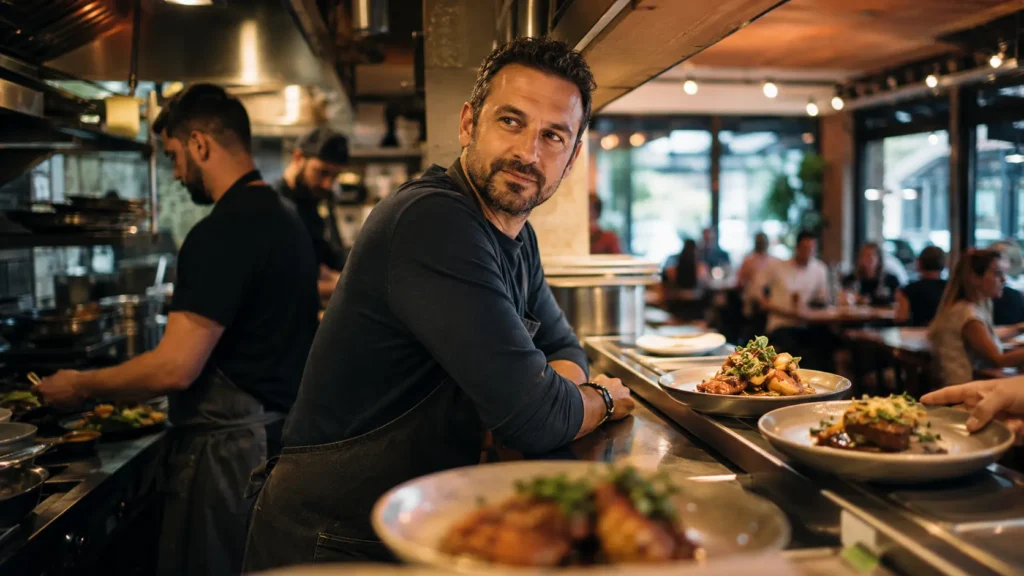
Restaurant marketing campaigns fail for a boring reason: they are launched as one-off stunts with no offer, no measurement and no follow-up. The ones that work follow patterns you can copy, and 2026 is a good year to copy them, with the industry heading toward 1.55 trillion dollars in US sales while 42 percent of operators finished last year unprofitable. The gap between those two numbers is largely marketing craft. This guide covers the campaign formats earning their keep right now, including launch campaigns and video, plus the discipline that separates a campaign from a hopeful post. For the broader tactics list, see restaurant marketing ideas that actually work.
The short version: a campaign is an offer, an audience, a deadline and a number you check afterwards. Everything else is decoration.
Turn Visits Into a Game Worth Replaying
VISU powers scan-and-win experiences that give guests a reason to come back this week, not someday.
Why Some Campaigns Work and Most Don't
Diners are more willing to try new places than they have been in years: in Toast's 2025 survey, 64 percent of guests had tried a new restaurant in the past month, up from 39 percent a year earlier. The demand side is not your problem. The problem is that most "campaigns" are a post, not a campaign.
A working campaign has four parts. A concrete offer, something a guest gets for acting. A defined audience, regulars, neighbors, one platform's followers. A deadline, because urgency is the engine. And one number you will check when it ends, covers, signups, redemptions, anything countable.
Reviews are the quiet fifth part. The classic Harvard Business School study of Yelp found a one-star rating difference moves an independent restaurant's revenue by 5 to 9 percent, and it is dated 2011 precisely because the effect has been true for that long. Every campaign that brings strangers in the door ends at your rating, so the response routine matters as much as the promotion.
Campaign Formats Worth Stealing
The limited-time offer is having its biggest era ever. Industry trackers counted a record of roughly 39,000 LTOs in 2025, and 55 percent of consumers say limited offers influence where they eat. The winning versions are not blanket discounts: they are pop-culture tie-ins, seasonal items and app-exclusive drops that feed your loyalty list on the way through.
Scan-and-win beats plain discounts. A discount buys one visit and trains guests to wait for the next one. A game, scan at the table, win something between a free side and a big prize, creates a story and a reason to return. The full playbook is in scan-and-win campaign ideas, and it pairs naturally with the loyalty math below.
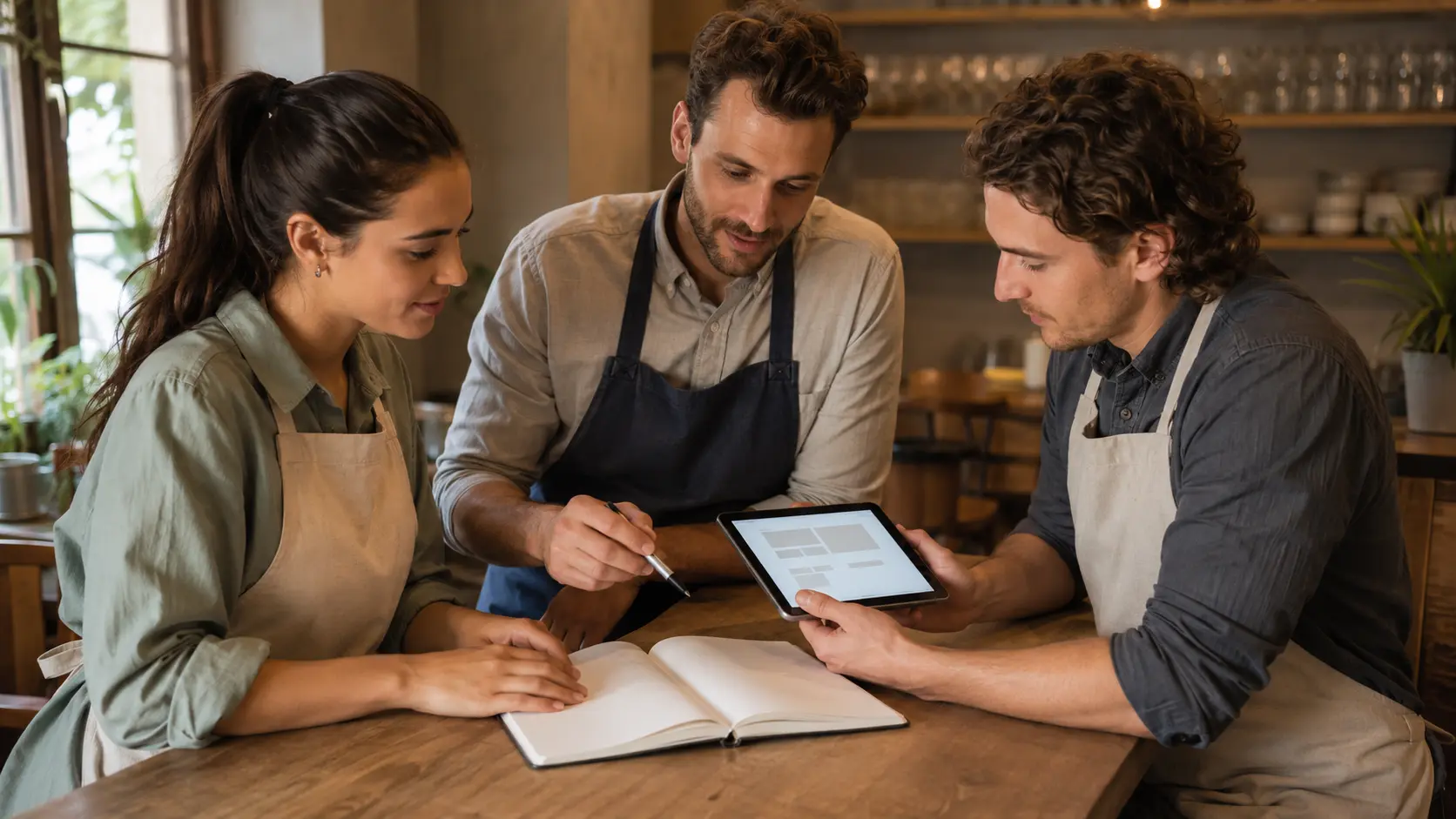
User-generated content compounds. Campaigns built on guests' own photos and clips convert measurably better than brand-made content across industry studies, and they cost you a repost. Build the moment worth photographing, the dish, the wall, the reveal, then make sharing it the entry ticket to the offer.
Micro-influencers are the affordable middle. Local food creators with ten to a hundred thousand followers typically charge in the low hundreds per post, often a comped meal plus a fee, and their engagement runs several times the industry average. One neighborhood creator who actually eats at your place outperforms a distant celebrity every time.
Launch Campaigns: Opening With a Full Room
A launch is the one campaign you cannot rerun, and it rewards sequence over budget. The pattern that fills opening weeks looks like this:
Soft open before you open. Two or three invite-only nights for neighbors, local creators and the staff's families. You stress-test the kitchen, collect your first wave of photos and reviews, and open to the public with a rating already on the board.
Google Business Profile from day zero. Complete profile, menu, photos and hours before the doors open, because the "restaurants near me" search is where launch demand actually lives. This is also where those soft-open reviews land first.
One signature launch offer, with a deadline. Not ten percent off everything: one memorable item or experience, free for the first hundred guests or for everyone who joins the list in week one. The offer's real job is building your contact list while the novelty traffic lasts, so the crowd from month one is reachable in month three, which is the whole subject of getting more customers for your restaurant.
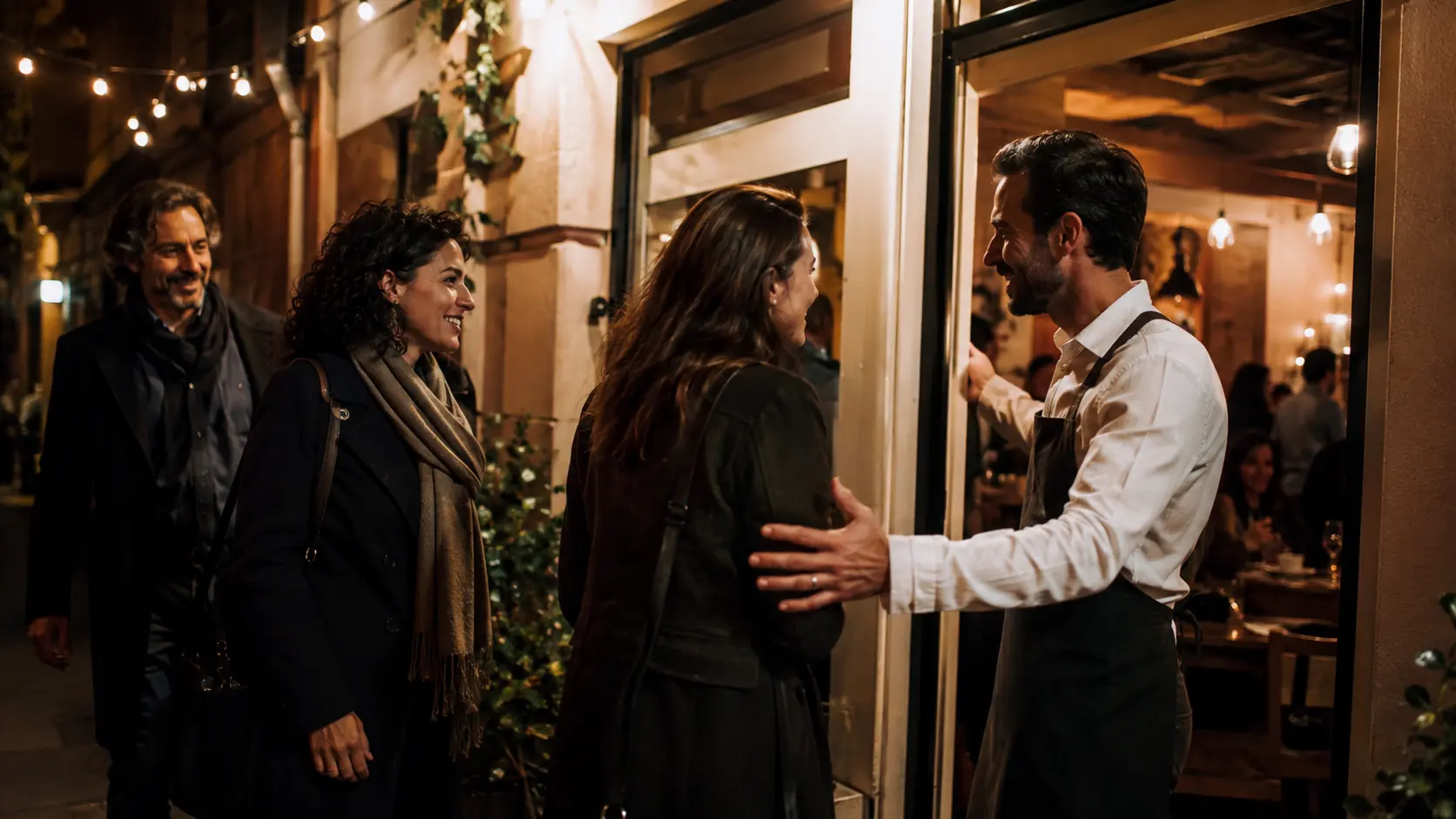
Give local media one concrete story. "New restaurant opens" is not a story; the chef's journey, an unusual sourcing choice or a neighborhood-first policy is. One angle, pitched to the three or four outlets your future guests actually read.
Make the Table Interactive
VISU turns a table scan into an experience guests talk about, and a contact you can reach next week.
Video and Viral Campaigns
Short video is now standard operator practice, not a frontier: 48 percent of US independent full-service restaurants use TikTok for marketing, double the share of 2023, per TouchBistro's operator survey. The craft has settled into rules that are cheap to follow.
Pro tip: treat "going viral" as a lottery ticket and the weekly posting habit as the paycheck. Three plain clips a week, dish, staff, guest moment, compound into discovery; one viral hit without a list, a booking link or an offer behind it evaporates in a weekend. Build the catch basin before you fish.
Casual beats polished. The winning restaurant clips are under about twelve seconds, shot on a phone, and led by staff: the pour, the pull, the flame, the plating. A production crew signals advertising; a cook's hands signal food.
Captions are search now. Younger diners use TikTok and Reels as a search engine, so captions that name the dish, the neighborhood and the city outrank clever wordplay. Write captions the way people search.
Gamify the participation. Video challenges work best when there is a mechanic: order the secret item, film the reaction, tag the house. The mechanics of making guests want to play are the same ones covered in gamification marketing.
Building and Measuring Your Own
Anchor campaigns to your loyalty base. The retention math does the heavy lifting: loyalty programs combined with online ordering drive an 18 percent increase in order frequency in Paytronix's 2025 data, and half of full-service operators saw loyalty check sizes grow more than ten percent year over year. Every campaign should leave your program bigger than it found it.
Email and SMS are the reactivation engine. Restaurant email runs open rates far above the cross-industry average, and SMS click-through on lunch and happy-hour offers is strong enough that the modern stack orchestrates both from POS data. The campaign brings guests in; the list brings them back.
Close the loop on reviews within days, not weeks. Top-performing operators answer reviews in under two days, and responsiveness correlates with both rating and return visits. Build the response step into the campaign calendar itself: more covers means more reviews means more answering.
Then read the one number you chose. Redemptions, list signups, repeat visits in thirty days. A campaign that cannot be judged cannot be improved, and next quarter's budget depends on this quarter's reading.
What Kills Most Campaigns
Discounting without a mechanic. Untargeted blanket deals fill one slow night with bargain hunters and train everyone else to wait. If price is the lever, wrap it in a game, a deadline or an exclusive, never a standing markdown.
Treating table QR as the campaign. A QR code on the table is plumbing, not marketing, and upscale rooms have partly returned to paper menus. The 2026 use is what the scan unlocks: payment, loyalty signup, a review prompt, a game. The full architecture is in the QR code marketing guide for restaurants.
Chasing a platform you will not feed. An abandoned profile reads worse than no profile. Pick the one channel your guests actually use, post the three weekly clips, and let the others redirect there.
Measuring nothing. The difference between a marketing budget and a donation is a number checked afterwards. One campaign, one metric, one honest reading, that discipline alone puts you ahead of most of the street.
Your Next Campaign, Ready to Play
VISU gives your restaurant the scan-to-win layer: guests play at the table, you build the list that fills slow nights.
FAQ: Creative Restaurant Marketing Campaigns
What makes a restaurant marketing campaign different from a promotion?
Structure. A campaign has a concrete offer, a defined audience, a deadline and one metric you check when it ends. A promotion is usually just a price cut with none of those. The structure is what lets you learn from each attempt and make the next one better, which is why the same four-part checklist beats a bigger budget.
What is the best campaign for a restaurant launch?
A sequence, not a single stunt: invite-only soft-open nights that generate the first photos and reviews, a complete Google Business Profile before opening day, one signature launch offer with a deadline that builds your contact list, and a single concrete story pitched to local media. The list you capture in week one is the real prize, because launch traffic is one-time by nature.
Do TikTok campaigns work for small restaurants?
Yes, and they are now normal practice: about half of US independent full-service operators use TikTok, double the 2023 share. Small rooms actually have the advantage, because the winning format is casual staff-led clips under about twelve seconds, not produced ads. Consistency beats virality: three plain clips a week compound into steady discovery.
How much do restaurant influencer collabs cost?
Local food micro-influencers typically charge in the low hundreds of dollars per post, and many neighborhood deals are a comped meal plus a modest fee. Their engagement rates run several times the industry average, which makes them better value than larger accounts for a single-location restaurant. Choose creators who already eat in your area, and judge them by comments, not followers.
How do I measure whether a campaign worked?
Pick one number before launch: redemptions, list signups, covers on the target nights, or repeat visits within thirty days. Track only that, read it honestly when the deadline passes, and let it decide the next campaign's shape. Reviews are the second reading, since every campaign that brings strangers in ends at your rating, and a one-star difference moves independent revenue by 5 to 9 percent.
Are limited-time offers still effective?
More than ever, with industry trackers counting a record of roughly 39,000 LTOs in 2025 and 55 percent of consumers saying limited offers influence where they eat. The winners are exclusive items and tie-ins that create urgency and feed loyalty signups, not blanket discounts. Give the offer a hard end date and a reason to leave your contact behind.