


Plenty of apps pay for your own activity, with no friends to invite and nothing to sell. The useful line is not between work and effortless income. It is between completing a task yourself and earning only when you get someone else to join, buy or follow.
This guide stays on the first side of that line. It covers surveys, microtasks, receipt rewards, usability testing and presence rewards, with a practical test for spotting apps where withdrawals, tasks or bonuses quietly depend on inviting people.
Rewards for Being Somewhere, Not for Qualifying
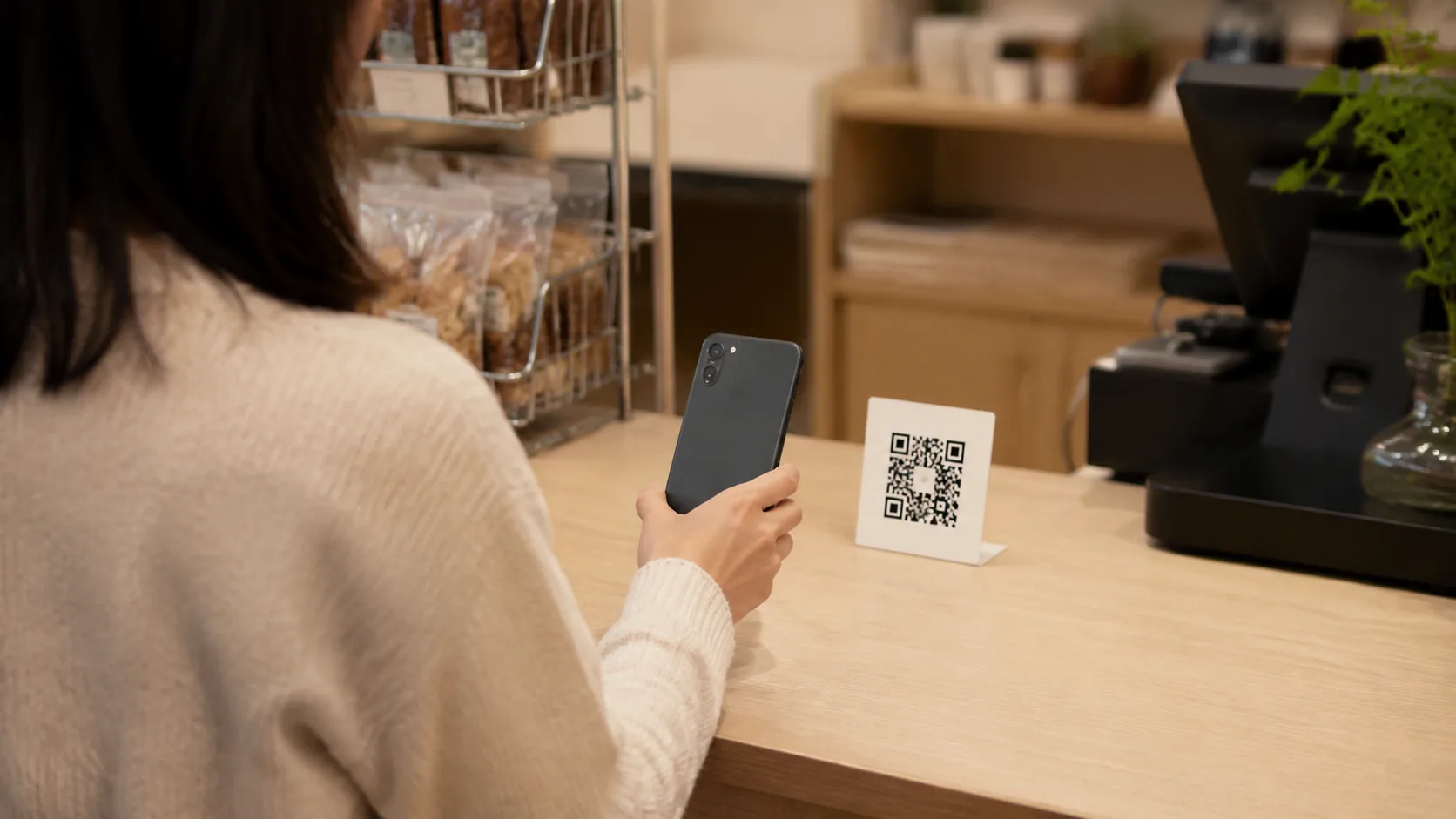
VISU pays for a verified visit: you scan a code at a partner location and the reward is tied to being there. No screener, no profile to match, nothing to buy.
What "Without Selling" Means Here
"Without selling" means the reward comes from an action you complete yourself. You answer a research question, label a piece of data, submit an eligible receipt, describe what happens while you use a website or verify that you are at a participating location. You do not need to carry inventory, pitch a product, build an audience or make another person sign up.
That definition also separates an optional referral from required recruiting. A referral link sitting in a menu does not change the app's basic task. You can ignore it and still use the app as intended. Recruiting becomes the business model when the useful balance, access to tasks or eligibility for rewards depends on bringing in other people.
No-selling does not mean no exchange. Survey platforms ask for opinions and profile information used to match studies. Microtask platforms ask for completed work. Receipt apps ask for purchase records. Testing platforms ask for feedback, often recorded through a microphone. Presence apps ask you to verify a visit. The right question is not "What do I sell?" but "What am I giving the platform, and is that trade clear before I start?"
It is also separate from legitimacy. An app can avoid selling and still have unclear withdrawal rules, intrusive permissions or fake tasks. Use the money-app legitimacy framework to check ownership, terms, withdrawal and support before spending time. The narrower test here is whether your result depends on your own activity or on converting another person.
Survey and Opinion Apps
Survey apps are the clearest no-selling category. The platform wants answers from people who fit a research brief. Your job is to answer accurately and consistently. There is no customer to persuade and no product to move.
Prolific
Prolific presents research tasks that a participant may choose to take. Its participant page says the service rewards participants with real money rather than gift cards or cashback, and describes participation as opt-in. That makes the exchange unusually direct: a researcher needs eligible participants, you decide whether to complete a study, and the platform records the submission.
The qualification step still matters. Eligibility filters decide which tasks appear, so an empty dashboard is not a sales problem and recruiting friends does not solve it. Before registering, read the participant page and the cash-out information instead of relying on a promotional post. For a closer look at fit, screening and withdrawal, see the published Prolific review.
YouGov
YouGov describes its panel in simpler terms: panel members take surveys and earn points. That wording matters. The official page promises points for survey participation; it does not turn the respondent into a reseller or require an audience. Treat the exact reward options shown in your own account as the authority rather than assuming that every panel or market uses the same redemption menu.

Microtask Apps
A microtask platform breaks a larger job into small pieces that individual contributors can complete. The task might involve categorising information, checking data, recording a voice sample, answering a survey or submitting a photograph that follows a brief. You are paid for accepted work, not for finding a buyer.
Clickworker's contributor page gives a useful official example. It lists AI training, surveys, voice recordings and photo contests among its tasks. It also says payment follows after work is finished and approved by the client. That approval condition is the detail to notice. No-selling work can still be rejected if it misses the instructions, so the task brief and acceptance rules matter more than the exciting language on the registration page.
Look for a visible task description, an acceptance standard and a stated payment route before beginning. Skip tasks that ask you to write a positive review, manufacture engagement or deposit money to unlock work. Those are not ordinary microtasks. The Federal Trade Commission warns that paying to get paid is a sure sign of a task scam and rejects offers to pay for positive ratings or likes as legitimate work.
Receipt and Cashback Apps: Buying, Not Selling
Receipt and cashback apps are often confused with selling because a purchase is involved. The direction of the transaction is different. You buy something for your own use, then the app applies its rules to that purchase. You are not taking an order, reselling the item or receiving a commission from another person's basket.
Fetch is a straightforward receipt-reward example. Its official page describes earning on things you buy and turning receipts into gift cards. That is a reward format, not a resale business. The platform may need an eligible receipt and may apply offer rules, but it does not ask you to find a customer for the groceries in your cart.
Cashback follows the same logic when it is attached to your own planned purchase. It is not a reason to buy something you did not need, and it should not be described as income without the spending that came first. Start with the purchase you were already going to make, then ask whether the receipt or transaction qualifies. If the app's main path instead asks you to distribute product links, earn from other people's orders or recruit a sales group, it is no longer the category described here.
The Presence Category, Without a Profile
With VISU, there is nobody to convince. The reward comes from scanning at a partner location, not from selling, recruiting or building an audience.
App and Website Testing
Usability testing pays for observing how a person experiences a digital product. You follow a scenario, attempt tasks and explain what you notice. You are not selling the app being tested. In fact, useful feedback often identifies confusion, missing information or a broken path.
UserTesting's participant page describes an application and practice test, screening questions used to match contributors with opportunities, and tests in which participants share their perspectives. It also says the test feed shows the payment offered for each matched test. That is the information to check before accepting, because matching and availability are not guaranteed by registration alone.
This category may require speaking. UserTesting says a microphone is needed for its practice test and that the built-in microphone on a phone or computer is sufficient for recorded tests. If you do not want to record your voice, that example is a poor fit even though it involves no selling. The requirement should be visible before you spend time on onboarding.
Presence Rewards
VISU belongs to the presence category. At a partner location, you scan a code and the reward is tied to the verified visit. There is no survey screener, purchase requirement, inventory, sales pitch, follower count or person to recruit. The fit question is simply whether the location is already part of your route. Treat participation as location-specific and check what the app shows where you are, rather than assuming universal coverage.
How to Tell When an App Only Pays If You Invite Friends
Recruiting can hide behind softer words such as community, ambassador, team or mentorship. The label is not the test. Follow the path from your action to your reward. If you can complete the stated activity and redeem according to the published rules without bringing in another person, the referral feature is optional. Watch the withdrawal screen in particular: if the balance can only be released after a set number of invites, inviting is the real task. If meaningful access or compensation depends on a chain of new participants, recruiting is central.
The FTC explains that multi-level marketing businesses involve selling products and recruiting other people to do the same. Its page also says that an MLM that is not a pyramid scheme pays based on sales to retail customers without requiring recruitment of new distributors. This guide is narrower than that legal distinction: if you want an app with no selling, an opportunity based on retail sales is already outside the brief, even before you assess whether its structure is lawful.
Use these questions on the onboarding page, compensation explanation and terms:
- Can I earn from the advertised activity alone? A survey should pay for surveys, a microtask platform for approved tasks and a receipt app for eligible purchases.
- Does access improve mainly when I recruit? Optional referral credit is different from locked tasks, status or withdrawal that depends on new members.
- Am I asked to buy inventory or a starter package? The FTC lists pressure to buy product regularly and repeated fees for training or marketing materials among pyramid-scheme warning signs.
- Must I pay before I can withdraw? Leave. The FTC's task-scam guidance calls paying to get paid a sure sign of a scam.
- Am I asked to post a positive rating or like? Leave that task too. It is promotion disguised as simple app work.
A referral feature does not automatically make an app an MLM, and a fee by itself does not prove a particular legal category. The practical no-selling rule is simpler: do not choose a route whose success requires you to persuade other people, buy stock or fund an unlock. You came for a direct exchange between your own action and a clearly described reward.
Building a No-Selling Routine
Start with one app in each category you genuinely want to try, not a folder full of near-duplicates. The purpose is to learn which action fits your routine: answering questions, completing precise tasks, recording purchases, speaking through a test or scanning during a normal visit.
Before starting, copy the app's displayed redemption minimum into a note. That is your threshold. Beside it, write the reward form exactly as shown: cash, points, gift card or another option. Then set a weekly time ceiling that fits your own calendar. The ceiling is not an income forecast. It is protection against spending unlimited attention on a balance that may not be useful.
Track only what helps a decision: tasks attempted, tasks accepted, time used, balance credited and any prompt to recruit, pay or purchase. Do not count a displayed balance as received value. Count it only when it reaches the redemption method you selected.
At review time, keep an app if the core activity worked without selling or recruitment and the reward path remained clear. Remove it if referrals became the main activity, approvals could not be understood or the app asked for money to release a balance. If silent work matters more than the no-selling distinction, the guide to making money without talking applies a different filter to many of the same routines.
Earn From the Visit, Keep the Rest Private
Your part is the visit and the scan. VISU does not turn the reward into a product pitch or ask you to build a team around it.
FAQ
Can I earn on apps without inviting friends?
Yes. An optional referral feature can be ignored while the core app still works. Avoid an app when access, withdrawal or the main earning route depends on recruiting other people.
Can I make money on apps without selling anything?
Yes. Survey, microtask, receipt-reward, usability-testing and presence apps can reward an action you complete yourself. Check the official task and redemption pages because each category asks for something different in return.
Is cashback the same as selling?
No. Cashback on your own eligible purchase is connected to buying. Selling means finding a customer and earning from that person's purchase. Do not confuse cashback with profit, because your spending comes first.
Are survey apps MLMs?
An ordinary survey panel rewards your own completed surveys. The FTC describes MLMs as businesses involving product sales and recruitment. If a supposed survey app mainly pays for building a participant chain, it is not functioning like an ordinary panel.
What apps pay without recruiting?
Look at the category before the brand: research participation, approved microtasks, eligible receipt rewards, matched usability tests and verified presence. The official page should connect the reward to your activity, not to a downline or team.
Do I need followers to use these apps?
No. None of the core activities in this guide requires an audience. If follower count, public posting or social sharing becomes necessary, the app has moved into promotion rather than direct task work.
References
- Prolific, Participants. Says participants choose research tasks and receive real-money rewards rather than gift cards or cashback.
- YouGov, Our panel. Describes panel members taking surveys and earning points.
- Clickworker, contributor page. Lists types of microtasks and says payment follows completed work approved by the client.
- Fetch, How it works. Describes rewards on things the user buys and receipts converted into gift cards.
- UserTesting, Get paid to test. Explains matching, recorded feedback, displayed test rewards and the microphone requirement.
- Federal Trade Commission, Multi-Level Marketing Businesses and Pyramid Schemes. Defines the sales and recruiting structure and lists recruiting, inventory purchases and repeated fees as warning signs.
- Federal Trade Commission, How to spot and avoid task scams. Supports the rules never to pay to get paid and never to accept paid positive-rating or like tasks.