


Everyone asks the same question about money apps: how much can you actually make? Not the "up to $500 a month" marketing number, the real one. So I did the boring thing. For 30 days I ran ten money apps side by side, walking, watching, listening, playing, and answering surveys, and I wrote down every single payout by hand. Here is exactly what each one paid, the honest hourly rate, and which ones I quit halfway. No hype, no affiliate spin, just the numbers.
Short version if you want it now: the total was real but small, two apps did most of the work, and half the list was a waste of time. The interesting part is which half. Let me walk you through the month.
The setup: which apps I picked and how I tracked
I chose ten apps to cover the main ways people earn on a phone: a walking app, a couple of video and music apps, a game, a few survey and microtask apps, a cashback app, and one reward platform. The idea was to test the categories, not to cherry-pick winners.
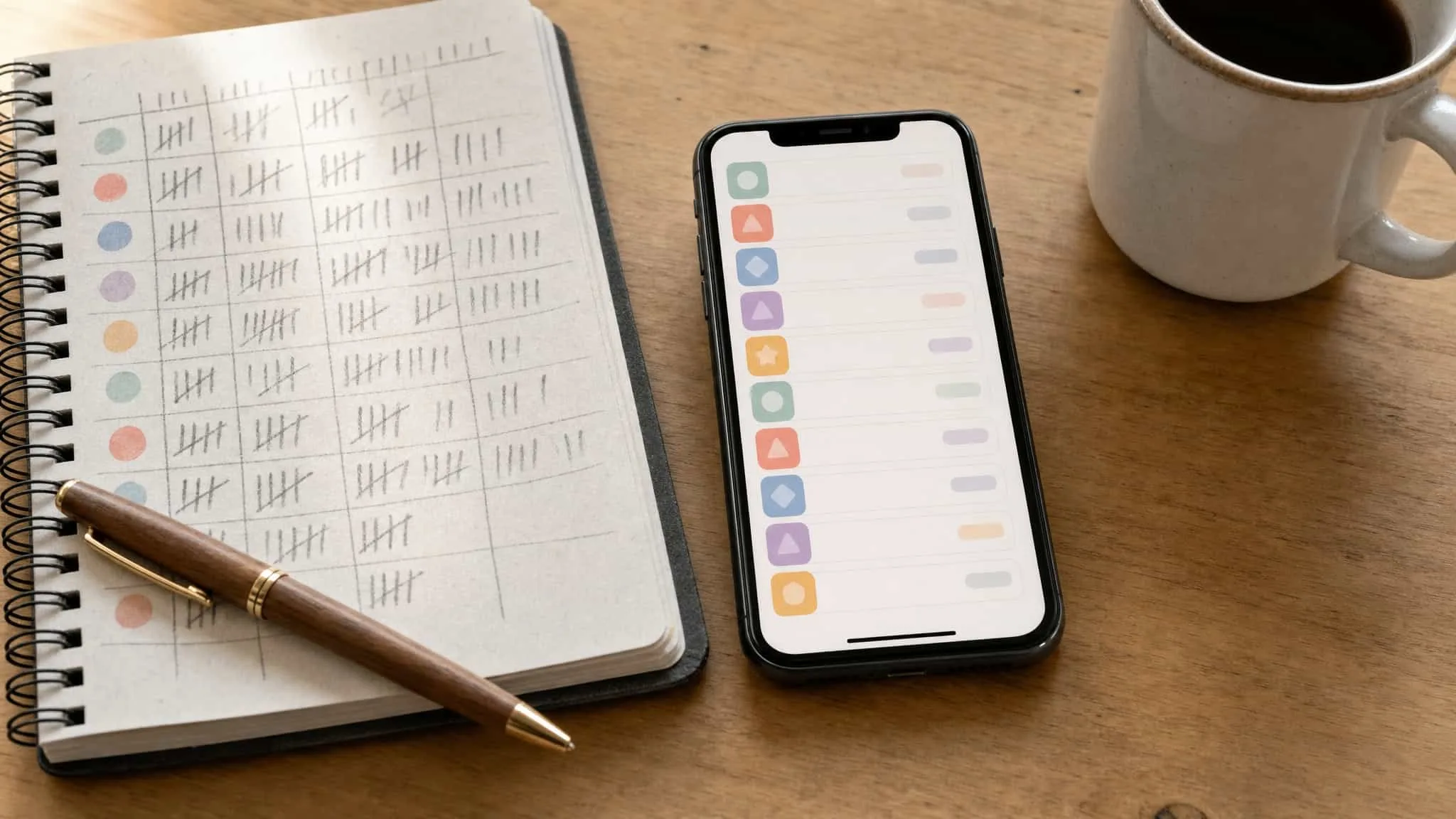
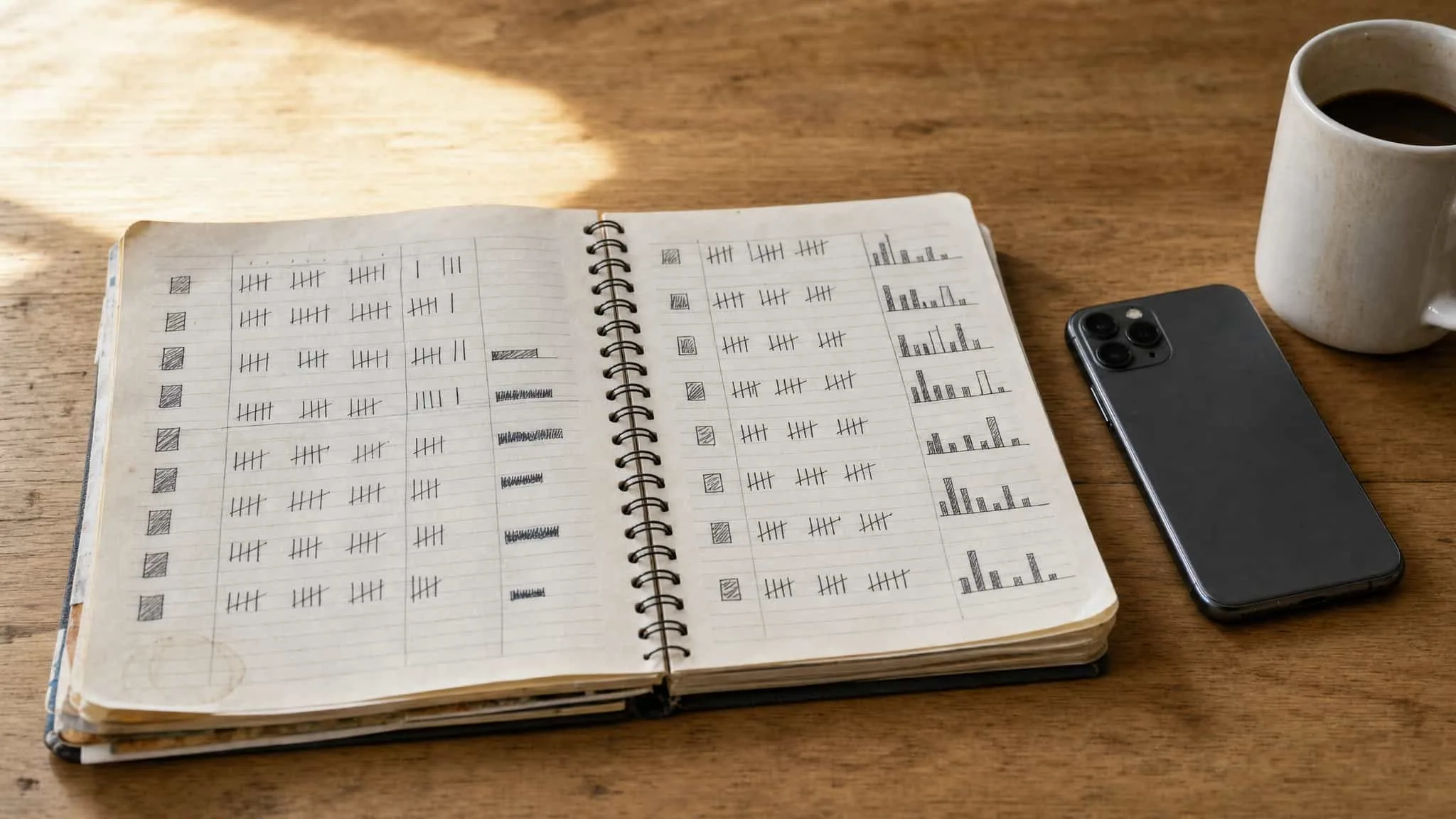
The rule was simple. I used each app the way a normal person would, in spare moments, not grinding eight hours a day. Every time an app paid me anything, I logged it in a notebook with the date and the minutes it took. That gave me a real hourly rate, which is the number that actually matters.
If you want the deep guides on each category I tested, I leaned on our own apps that pay you to walk, get paid to watch videos, and make money listening to music lists to pick the apps.
Week by week: what actually landed
Week 1. The novelty week. I was diligent, opened everything daily, and it still added up slowly. The walking app quietly accrued in the background while I barely thought about it. The survey apps ate the most time for the least money.
Week 2. The pattern got obvious fast. A couple of apps carried the total and most of the rest barely moved. This is where I stopped forcing the apps that clearly were not worth it.
Weeks 3 and 4. I settled into a routine of only the apps that paid for the least effort: the walking app running passively, the reward platform for quick verified actions, and cashback on shopping I was doing anyway. The grind apps got dropped.
| App Category | Effort | Honest Hourly Feel | Kept It? |
|---|---|---|---|
| Walking app | Near zero | Low but free | Yes, passive |
| Reward platform (VISU) | Low | Best value per action | Yes |
| Cashback app | Low | Good on normal spend | Yes |
| Video / music apps | Very low | Low, passive | Kept one |
| Survey / microtask | High | Poor per hour | Dropped most |
| The game | High | Worst per hour | Quit |
What actually paid, and what surprised me
Two things carried the month. The walking app, because it cost me literally nothing extra: I walk anyway, and the points accrued while I ignored it. And the reward platform, VISU, because the value per action was the best of anything I tested. When a reward is funded by a real campaign instead of a slowly climbing balance, it just pays better per minute.
Cashback was the quiet winner on money, but only because I was already shopping. It is not really "earning," it is spending less, but it landed real value with zero added effort, so it stayed in the stack.
The honest surprise was how much the passive apps beat the active ones. Everything I had to sit and grind, surveys and the game especially, paid worse per hour than the apps I barely touched. If you take one thing from my month, it is that: passive beats grind almost every time.
The honest disappointments
Not everything was worth keeping, and I would rather tell you than sell you.
The game. Worst hourly rate by a distance. A month of tapping and the balance still crawled. I quit it in week two and did not miss it.
Most survey apps. They pay, but the per-hour rate is grim once you count the surveys you get screened out of after five minutes. One decent app was enough, the rest went.
Anything promising big numbers. The apps that shouted the loudest about earnings delivered the least. That tracks with everything in are reward apps worth it, and it is exactly why a level-headed look at whether money apps are legit matters before you start.
What I'd do differently next month
If I started over, I would not run ten apps. I would run three or four: one passive walking app, one reward platform for quick verified actions, and cashback on normal spending, and I would skip the grind apps entirely. That small stack produced almost the whole total with a fraction of the effort.
The realistic takeaway is not exciting, but it is true: money apps are a small, real top-up, not an income. Treat them as bonus money on things you already do, lean on the passive ones, and drop anything that makes you grind. If you are just starting, our where to start as a beginner guide is the short version of everything this month taught me. The one app I kept for value per action was VISU, and what VISU Network is explains why a campaign-funded reward pays better than a slowly climbing balance.
The App That Paid Best Per Action
Across my 30 days, VISU had the best value per action, because the reward is funded by real campaigns instead of a balance that slowly climbs. If you want the one I kept, this is it: real value, quick to do, no grind.
FAQ: How Much You Can Make With Money Apps
How much can you really make with money apps in a month?
Realistically a small top-up, not an income. In my 30-day test the total was real but modest, and two or three apps produced most of it. Anyone promising hundreds a day is misleading you. Treat it as bonus money on things you already do.
Which money apps paid the most in your test?
The passive ones won: a walking app that accrued while I ignored it, and a reward platform (VISU) with the best value per action. Cashback added real value too, but only because I was already shopping. The grind apps paid worst per hour.
Are money apps worth the time?
The passive ones are, the grind ones usually are not. Apps that run in the background or pay well per action are worth keeping. Survey and game apps that demand a lot of active time for little money are the ones I dropped by week two.
Why did some apps in your test pay so little?
Because the reward was not funded by much. Apps with a slowly climbing balance and no real budget behind them pay poorly per hour by design. The apps that paid best were the ones where a real campaign or real cashback funded the reward.
How should a beginner start with money apps?
Start small: pick three or four, favor passive ones, and skip anything that makes you grind. Do not run ten like I did. A walking app, a reward platform, and cashback on normal spending is a realistic, low-effort starter stack.
Did you actually track every payout by hand?
Yes, in a notebook, with the date and the minutes each payout took. That is how I got a real hourly rate rather than just a monthly total, which is the number that actually tells you if an app is worth your time.