

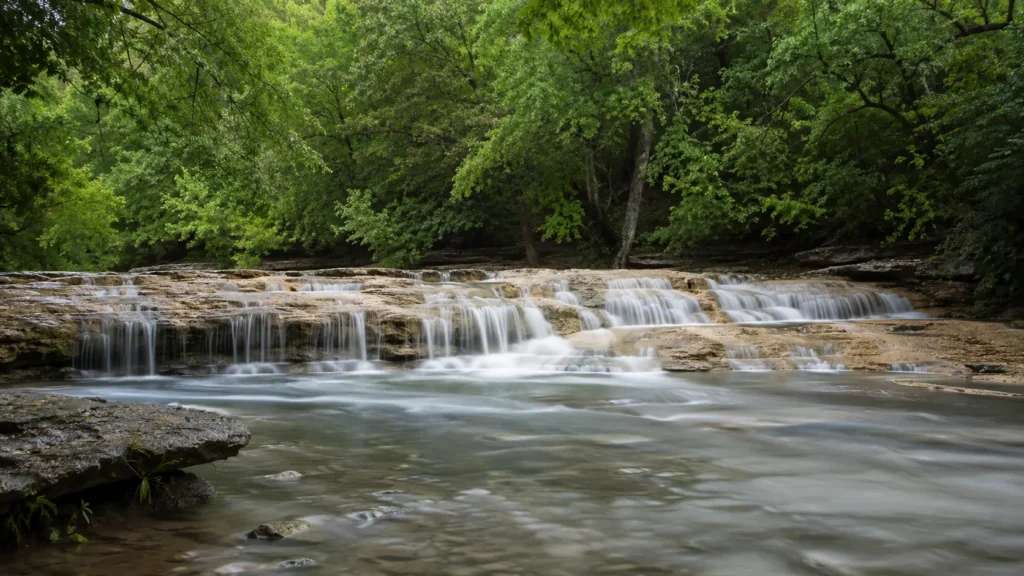
Yes, Dallas has waterfalls. Not the mountain kind, but real falls inside city parks, a short drive from downtown, plus two spectacular day trips within about two hours. The catch is timing: North Texas falls run on rain, and knowing when to go matters as much as knowing where.
This guide covers the waterfall hikes you can reach from the Dallas-Fort Worth metroplex, from a fall you can see steps from the parking spot to a swimmable one across the Oklahoma line, with the honest note on each about distance, effort and when the water actually shows up.
One Link for Every Trail You Hike
A short address you control, pointing to your trail photos, maps and plans.
First, the Rain Rule
North Texas waterfalls are creek-fed, and creeks here answer to the sky. After a good rain, every fall on this list runs full and photogenic; in a dry August week, some shrink to a trickle. The single best planning move is to go within a day or two of rainfall, and to treat a dry-spell visit as a pleasant creek walk with a chance of water.
The upside of rain-fed falls: they sit in ordinary city and suburban parks, which means free parking, short approaches and no permits, a rare combination for waterfall hiking anywhere.
Prairie Creek Park, Richardson
The most accessible waterfall in the metroplex. Prairie Creek Park is a 37-acre neighborhood park where the creek drops over a wide limestone shelf, and the fall sits close enough to the street that you can see it almost from the car. That makes it the pick for small kids, quick photo stops and anyone testing whether waterfall-chasing is their thing.
There is no real hike here, paths are short and flat, so pair it with a picnic rather than planning a trail day around it. After rain, the shelf runs edge to edge and is genuinely pretty, especially in morning light.

Airfield Falls, Fort Worth
Airfield Falls Conservation Park, in Westworth Village on Fort Worth's west side, holds the largest natural waterfall in Tarrant County, a roughly 15-foot drop that spills in two sections toward the West Fork of the Trinity River. A paved trail leads from the trailhead to the falls in about a quarter mile, an easy walk of five to ten minutes, and continues toward the river beyond.
The trailhead area doubles as a small nature stop, known among locals for native plantings that draw monarch butterflies during migration. Between the paved approach, the shade and the payoff-to-effort ratio, this is the best first waterfall hike in the metroplex for most people.
Marion Sansom Park, Fort Worth
The wildest-feeling option inside the metroplex. Marion Sansom Park overlooks Lake Worth on rugged terrain, and its waterfall, a low falls on a creek feeding the West Fork Trinity, hides below bluffs reached by a hike of under a mile with real ups and downs. Trails here are shared with mountain bikers and are rocky in places; wear actual shoes, not sandals.
The effort filters the crowds. On a weekday after rain you can have the fall nearly to yourself, and the bluff views over the lake justify the trip even when the water is low.
Map Your Own Trail List
Collect the spots you want to hit next in one link you can share with the group.
Stone Creek Park, Flower Mound
A quiet neighborhood park where the creek steps down over boulders in a series of small cascades rather than one headline fall. When water is high, the whole stretch murmurs; when it is low, it is still a shaded, pleasant walk along the creek bed. Best treated as a local stop for the northwest suburbs rather than a destination drive, and at its best in spring.
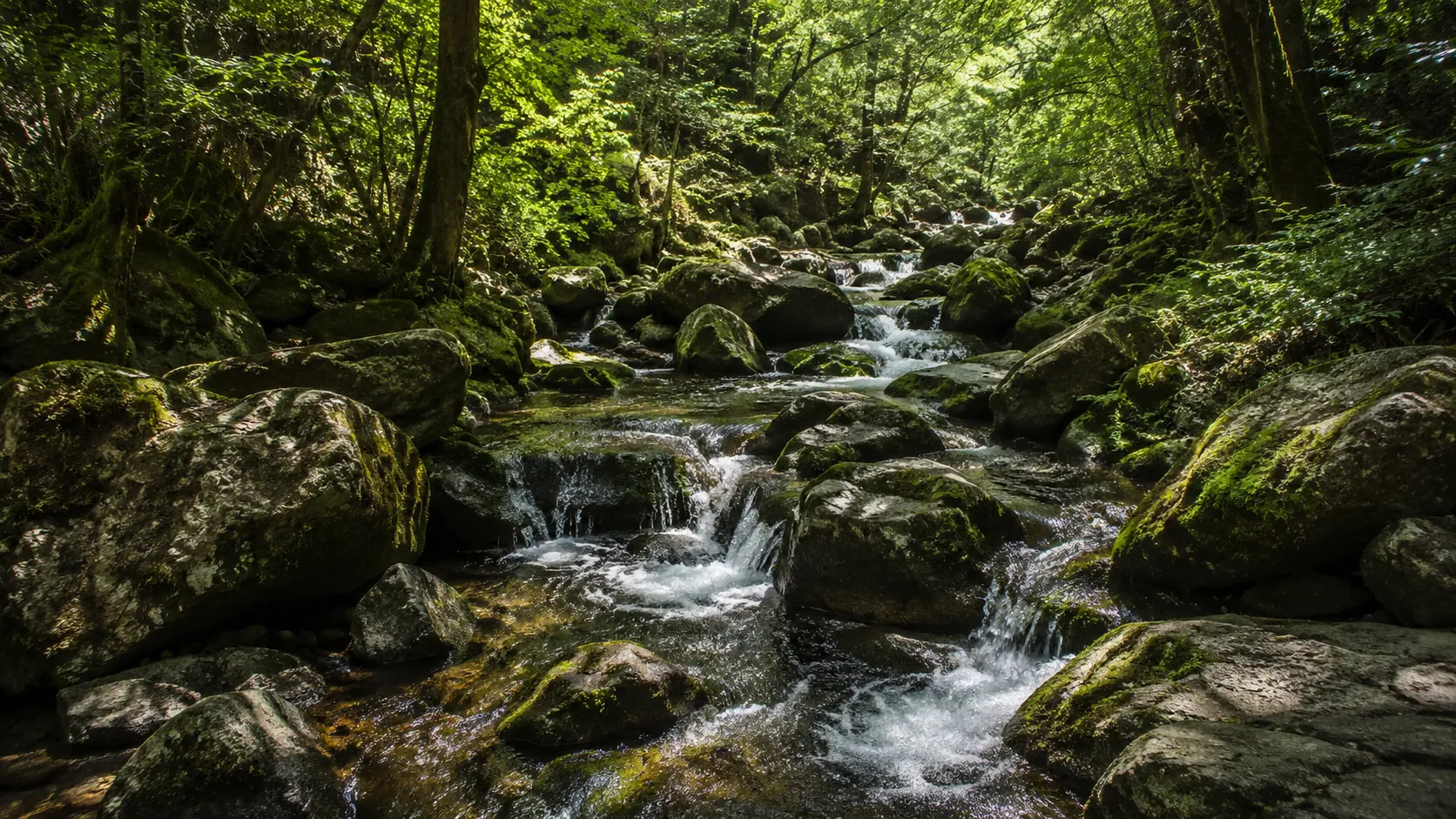
Two Day Trips Worth the Tank of Gas
Chalk Ridge Falls Park, near Belton. Around two hours south on I-35, below the Stillhouse Hollow dam, a shaded trail follows the creek about half a mile to a genuinely lovely fall with a swimming-friendly pool below it. The walk is easy and family-standard, with boardwalk stretches and water views most of the way. Go early on summer weekends; locals know this one.
Turner Falls Park, Davis, Oklahoma. About two hours north, in the Arbuckle Mountains, Turner Falls is billed as Oklahoma's tallest waterfall at 77 feet, dropping into a blue swimming hole that operates as a full swim park in season. This is the opposite of a hidden gem, expect summer crowds and an entry fee, but as a waterfall-plus-swimming day trip from Dallas it has no rival. Trails, a small castle ruin and picnic areas round out the park.
Practical Tips for North Texas Falls
Go after rain. It is the whole game for the in-metro falls. A dry week turns shelves to trickles.
Morning beats afternoon. Softer light on the water, cooler trails, and at the popular spots, emptier parking.
Footwear with grip. Limestone shelves are slick when wet, and Sansom's trails are rocky. Creek crossings happen.
Check park pages before driving. City parks occasionally close trails after flooding, the same rains that make the falls run.
Pack out everything. These are small parks loved hard by locals; they stay nice because visitors leave nothing.
Share the Whole Adventure From One Link
Photos, the map pin, the trail notes: one VisuLink carries it all.
FAQ
Are there real waterfalls near Dallas?
Yes. Prairie Creek Park in Richardson, Airfield Falls in Fort Worth, Marion Sansom Park in Fort Worth and Stone Creek Park in Flower Mound all have natural falls or cascades inside the metroplex. They are rain-fed, so flow varies with recent weather.
What is the biggest waterfall in the Dallas-Fort Worth area?
Airfield Falls in Westworth Village, near Fort Worth, is the largest natural waterfall in Tarrant County, at roughly 15 feet in two sections, reached by an easy paved quarter-mile trail.
When is the best time to see waterfalls in North Texas?
Within a day or two after rain, and generally in spring, when creeks run highest. During dry spells many local falls shrink to a trickle.
Can you swim at any waterfalls near Dallas?
Not at the in-metro falls, which sit in city parks with shallow creek flow. For swimming, the day trips deliver: Chalk Ridge Falls near Belton has a natural pool below the fall, and Turner Falls in Oklahoma operates a full swimming area in season.
How far is Turner Falls from Dallas?
About two hours north by car, in the Arbuckle Mountains near Davis, Oklahoma. It is billed as Oklahoma's tallest waterfall at 77 feet and charges admission in swim season.
References
- Texas Recreation and Park Society, Prairie Creek Park (Richardson) Lone Star Legacy profile
- NBC 5 Dallas-Fort Worth, Airfield Falls as Tarrant County's largest natural waterfall
- Town of Flower Mound, Stone Creek Park official page
- Lone Star Travel Guide, visiting Chalk Ridge Falls Park
- TravelOK, Turner Falls Park official listing
- City of Dallas Parks and Recreation, trail system