

A few years ago, QR codes were a curiosity. Something you might scan once out of mild interest, then forget about. That's not the case anymore.
In 2026, QR codes have become legitimate advertising infrastructure. Bars put them on menus. Retailers stick them on shelves. Event organizers print them on tickets. And every one of those scans represents a revenue opportunity that didn't exist before.
The shift makes sense when you look at the numbers. Global QR code usage has grown more than 45% in three years. About 59% of consumers now scan QR codes daily. That's not experimental anymore. That's mainstream behavior.
This guide covers how businesses are actually making money from QR code advertising, what works, and how to get started without overcomplicating things. If you're already familiar with gamification principles, you'll recognize some of the mechanics that make these campaigns effective.
Get Paid to Scan QR Codes
Turn your attention into real rewards. Scan, engage, earn.
How QR Codes Became Revenue Channels
The transformation happened gradually, then suddenly.
Smartphones became essential. The pandemic normalized contactless everything. People got comfortable pointing their cameras at squares. And then platforms started building infrastructure to actually monetize those moments.
This connects to the broader attention economy shift. User focus has become the most valuable marketing asset. QR codes capture that focus at specific physical moments, which turns out to be worth a lot more than random digital impressions.
Today's QR codes aren't just shortcuts. They're media inventory. They have metrics, intelligence, and the ability to generate real revenue for anyone who controls the physical placement.
What Happens When Someone Scans
This is where it gets interesting. A scan doesn't have to just open a link.
Modern QR advertising can deliver interactive ads, short videos, sponsored coupons, gamified rewards, contest entries, or instant discounts. Research shows campaigns with micro-rewards increase engagement by up to 30% compared to static experiences.
The models that work include instant coupons where users get something valuable immediately, digital points that accumulate toward rewards, premium video content sponsored by brands, data collection through quick preference quizzes, and direct purchase opportunities at the moment of highest intent.
The key insight: each scan is a moment of active attention. Someone chose to engage. That's fundamentally different from a banner ad they're scrolling past. And advertisers will pay more for it.
The new model: users get value, venues get revenue, advertisers get attention. Everyone wins or it doesn't work.
The Network Effect
Single QR codes generate some value. Networks of QR codes generate much more.
Platforms like VISU use dynamic QR codes that can update campaigns without changing physical artwork. Print a code once, run different campaigns through it forever. The code becomes permanent media infrastructure.
The value flows in a circle: users receive benefits for scanning, venues build loyalty and earn revenue share, advertisers pay for verified attention, platforms distribute revenue and provide analytics. This creates a sustainable ecosystem where everyone has incentive to participate.
Scale matters here. A single bar with QR codes on tables has limited reach. A network of hundreds of bars becomes attractive to national advertisers. The network effect compounds the value of each individual placement.
Ready to Innovate Your Customer Experience?
See how businesses use VISU to turn QR scans into measurable engagement.
Real Examples That Work
Understanding QR gamification strategies helps, but concrete examples are more useful. Here's what's actually working:
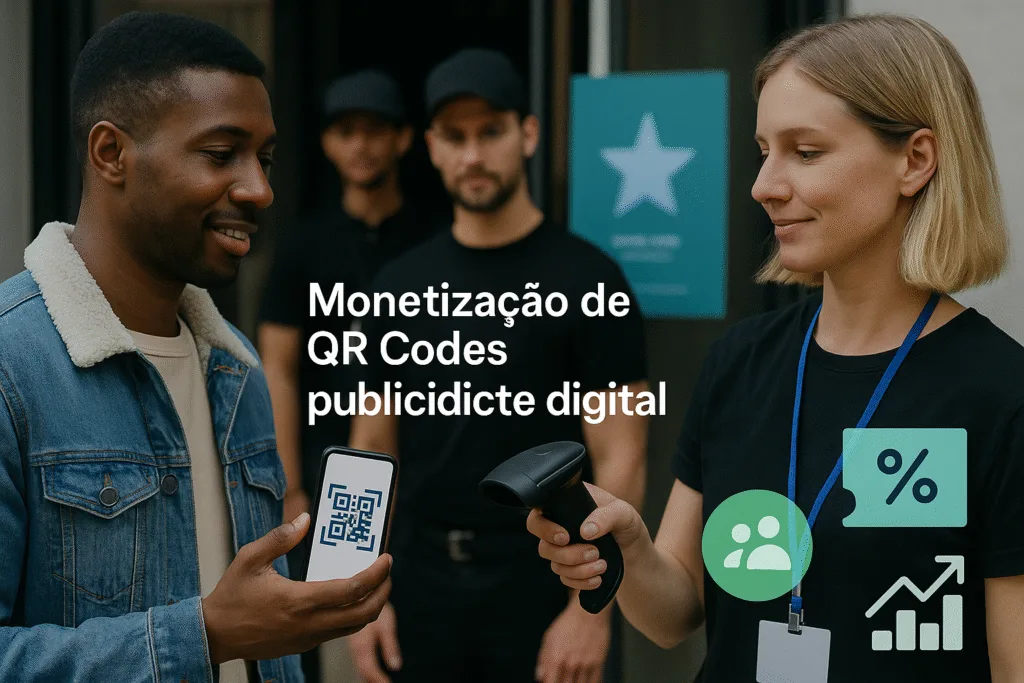
Restaurants and bars are the obvious case. Digital menus already exist. Adding sponsored beverage ads is natural. Customer scans to see the menu, also sees a promotion from a beer brand. The context is perfect. The interruption is minimal. Conversion rates in this environment often exceed 15%.
Event venues have captive, engaged audiences. Tickets with QR codes unlock behind-the-scenes content, sponsor materials, or exclusive merchandise offers. Attendees get extra value. Sponsors get guaranteed exposure to people who chose to be there.
Retail stores catch shoppers at the decision point. A QR code on a shelf display releases an instant coupon. The shopper was already considering the product. The discount tips the decision. This is advertising at maximum relevance.
Public transit reaches massive audiences with time to kill. Transit campaigns in major cities consistently achieve conversion rates above 15%. People waiting for trains are happy to scan something interesting.
Supermarkets activate discounts directly in the aisle. This catches shoppers at the moment of decision, not hours before or after. The timing makes all the difference in conversion.
Making It Work (Without Annoying People)
QR advertising that annoys people doesn't work. The economics depend on willing participation. Tracking the right metrics helps you optimize for sustainable engagement rather than short-term impressions.
Speed is everything. You have about 8 seconds from scan to value delivery. If the landing page loads slowly, if there are too many steps, if anything feels clunky, people abandon. And they won't scan again.
Context determines relevance. A beverage ad in a bar makes sense. The same ad on a transit platform feels random. Match the advertisement to where and when the scan happens.
Transparency builds trust. Tell people what they're getting into. "Scan for a discount, brought to you by [Brand]" works better than mysterious QR codes. Users who understand the exchange participate more willingly.
Test relentlessly. Different placements, different calls-to-action, different reward structures all perform differently. Use data to figure out what works in your specific context, then scale that.
What's Coming Next
The infrastructure exists. Consumer behavior supports it. What's changing is the sophistication.
Real-time personalization is already happening. The same QR code can show different content based on time of day, weather, or user profile data. Morning coffee shop scan shows breakfast deals. Afternoon scan shows snack options.
AR integration adds another layer. Scan a code, point your camera at a product, see it in your space with personalized pricing or promotional overlays.
Blockchain-based micro-rewards enable transparent, tokenized incentives. Users can verify exactly what they're earning and how.
Industry projections suggest QR advertising interaction will grow 20%+ annually through 2029. Businesses building this infrastructure now will have significant advantages as the market matures.
Final Thoughts
QR code advertising represents something new: physical touchpoints that generate digital revenue. Not replacing online advertising, but adding a layer that captures attention in the real world.
The model works because it creates value for everyone. Users get something (discounts, content, rewards). Venues get revenue share for space they already control. Advertisers get verified attention in relevant contexts. Platforms coordinate the ecosystem.
The opportunity is real. The infrastructure exists. The question is whether you're building it or watching others build it.
Transform Every Scan Into Revenue
Join businesses already using VISU for gamified QR experiences.