

Everybody romanticizes the idea. Park your truck at a busy corner, flip some burgers, watch the money roll in. The reality? Most street food businesses don't survive their first year. Not because the food is bad. Because the math doesn't work.
Whether you're running a food truck, a trailer, a cart, or a simple street stand, the question is the same: can you actually make money doing this? The answer is yes, but only if you understand what separates the ones who grow from the ones who quit.
Get Paid to Scan QR Codes
While food trucks profit from your attention, you can too. Scan, engage, earn real rewards.
Quick video. Earn your first reward.
The Real Cost of Starting: Food Truck vs Trailer vs Cart vs Stand
The investment gap between formats is massive. A fully equipped food truck in the US can run $50,000 to $200,000. A basic trailer? $10,000 to $40,000. A hot dog cart or street stand? Sometimes under $2,000.
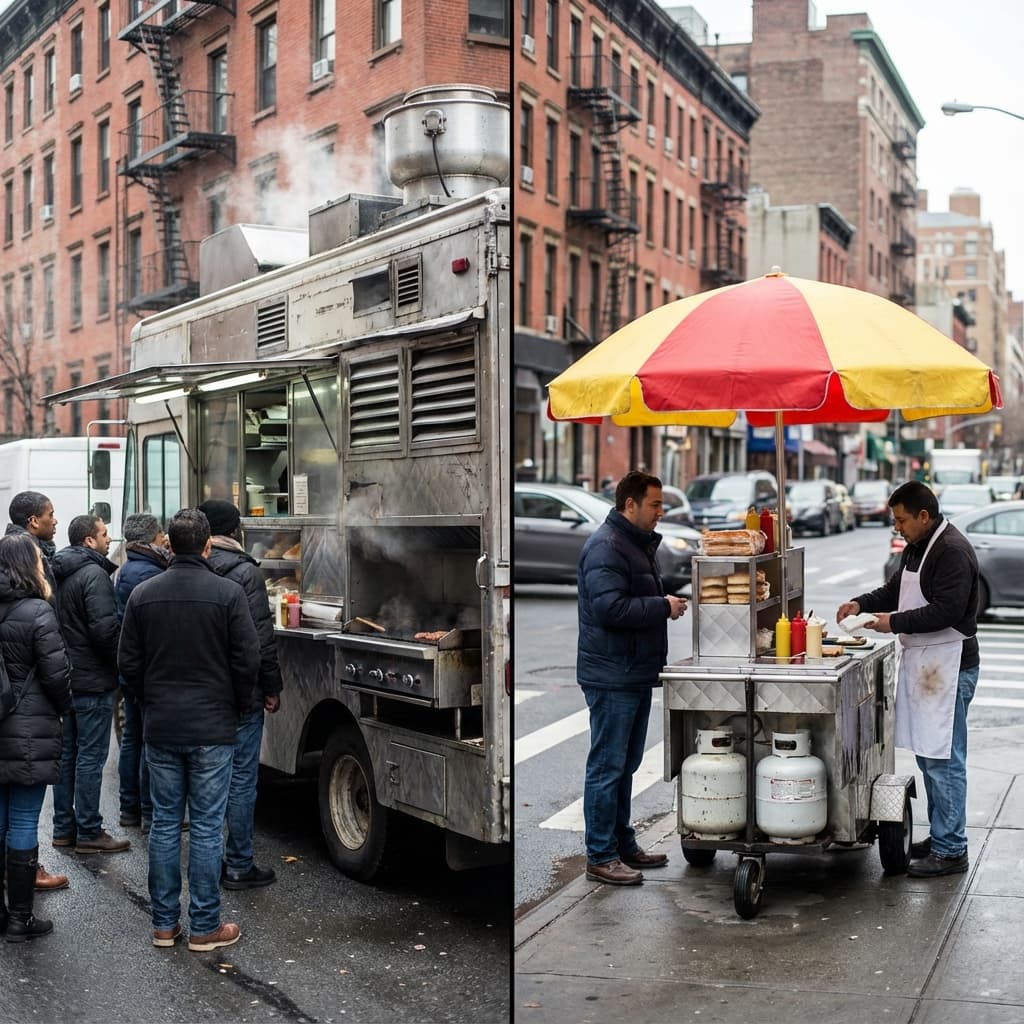
But here's what nobody tells you: the format doesn't determine success. A guy with a $800 cart selling elote can out-earn a chef with a $150k truck selling gourmet tacos. The difference isn't the equipment. It's the operation.
Fixed costs eat margins fast. Commissary fees, permits, fuel, insurance, maintenance, ingredients. Before you sell a single item, you're already in the hole. The question isn't how much to start but how fast can you break even.
Real Revenue: What to Expect in the First Months
Industry data shows food trucks in the US average $20,000 to $50,000 per month in gross revenue. Sounds great until you subtract 25-35% for food costs, 10-15% for labor, and another 15-20% for overhead. Net margins typically land between 6-9%.
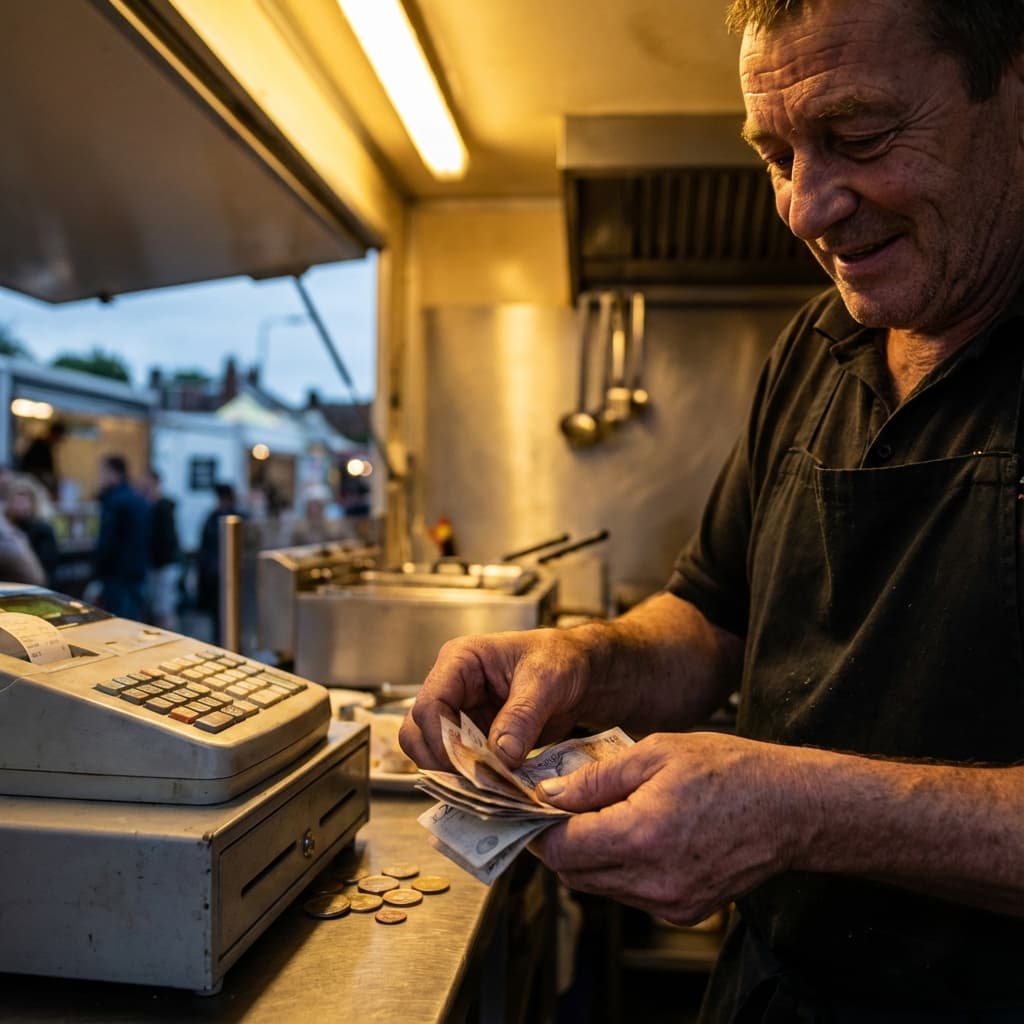
For smaller setups like carts, trailers, and stands, the numbers scale down but the percentages stay similar. A taco cart doing $8,000/month gross might net $500-700 after everything. That's not nothing. But it's not retirement money either.
The first three months are brutal. You're learning your location, your timing, your crowd. Revenue is inconsistent. Some days you sell out by 2pm. Other days you dump half your prep in the trash.
Reality check: The ones who survive the first year aren't the best cooks. They're the ones who figured out their numbers.
Why Some Fail and Others Grow
Good food is table stakes. If your food isn't good, nothing else matters. But assuming your food is solid, here's what actually separates winners from losers.
Location intelligence. Not just finding a good spot, but knowing when to move, when to stay, and when to cut losses. The vendor who chases every event burns fuel and energy. The one who builds a consistent presence builds a customer base.
Speed of service. In street food, time is money. If your average ticket takes 8 minutes and your competitor does it in 4, they're serving twice the customers in the same lunch rush. Reducing wait time at your food truck isn't just about efficiency—it's about not losing customers to impatience.
Repeat customers. This is where most street vendors leave money on the table. You serve 100 people today. How many come back next week? If you're not capturing contact info, building relationships, creating reasons to return, you're starting from zero every single day. Building street food customer loyalty is what separates vendors who survive from vendors who thrive.
The Fatal Mistake: Depending Only on Walk-By Traffic
Rain kills your day. Construction reroutes your crowd. A new competitor parks across the street. When your entire business depends on whoever happens to walk by, you're always one bad week away from trouble.
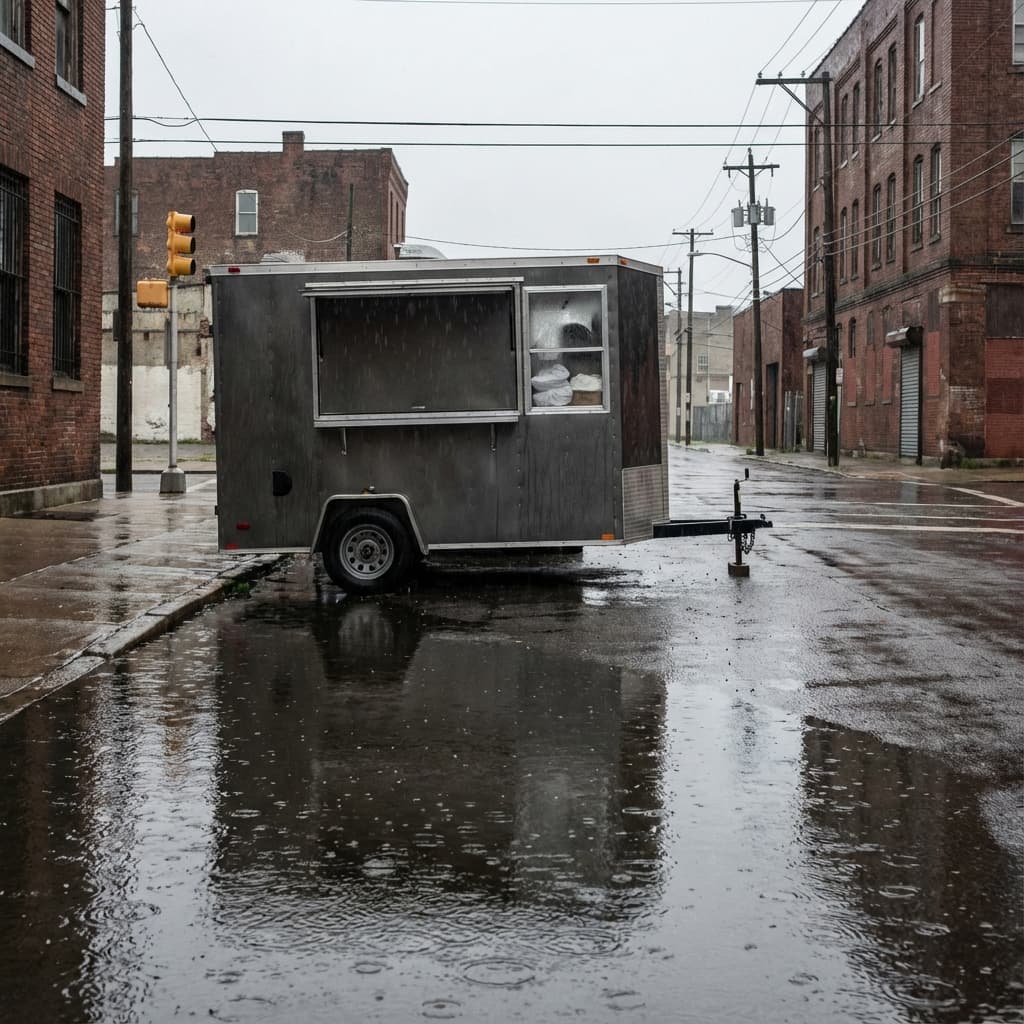
When sales drop because of weather, vendors without a customer base panic. Vendors with a list of regulars send a message: "We're at the covered spot today" or "Pre-order for pickup." Same storm, completely different outcome.
The shift from location-dependent to customer-dependent is the single biggest unlock in street food. Your location becomes one channel, not your only channel. And the vendors who figure out how to attract customers to their street food business beyond foot traffic are the ones building something sustainable.
Turn Attention Into Income
Brands pay for engagement. Get rewarded every time you scan and interact.
Quick video. Earn your first reward.
How to Turn One-Time Buyers Into Repeat Customers
Every customer who buys from you once is a potential regular. But potential doesn't pay bills. You need a system.
Capture contact at point of sale. Not aggressively. Not annoyingly. A simple QR code on the counter or packaging that offers something real: a free drink after 5 visits, early access to your location schedule, a birthday discount. Smart QR code marketing turns a passive transaction into an ongoing relationship.
Make returning easy. If customers have to remember where you'll be, check your Instagram, hope you show up, most won't bother. If they get a notification when you're nearby or can pre-order for pickup, you removed every friction point.
Digital menus beat PDF files for the same reason—they're dynamic, trackable, and actually useful. And when you're working events, capturing leads at food truck events means that crowd doesn't disappear when the event ends.
The vendors who figure this out aren't just making sales. They're building an asset. A customer list that follows them anywhere, rain or shine. That's the difference between a job and a business.
If you're ready to stop leaving money on the table, the path forward is clear: get paid for your attention to what actually moves the needle—repeat customers, not random foot traffic.
And when it comes to visibility, don't sleep on Google Business for street food vendors. It's free, it's powerful, and most of your competitors aren't using it right.
Turn Every Customer Into a Regular
Join food trucks using VISU to build loyalty, capture leads, and increase sales with smart QR campaigns.
FAQ — Street Food Business Profits
Is a food truck more profitable than a restaurant?
It can be. Lower overhead means lower risk and faster break-even. But it also means lower revenue ceiling and more weather and location dependence. Profitability depends on execution, not format.
How long until a food truck breaks even?
Most food trucks take 12-24 months to break even on their initial investment. Smaller setups like carts or trailers can break even in 3-6 months if operated efficiently.
What is the biggest expense for street food vendors?
Food cost is typically the largest at 25-35% of revenue. But fuel, commissary fees, and permits add up fast, especially for vendors who chase events instead of building a consistent location.
Can you run a food truck as a side business?
Yes, but weekends-only limits your growth and makes customer retention harder. The most successful side-hustle vendors focus on events and private catering rather than daily street sales.
How do food trucks build repeat customers?
By capturing contact information at point of sale, offering loyalty incentives, and communicating location and schedule consistently. Vendors who rely only on walk-by traffic restart from zero every day.
What's the best way to capture customer contacts?
QR codes at point of sale work best—on the counter, receipts, or packaging. Offer something valuable in exchange: loyalty points, location updates, or exclusive deals. Make it worth their two seconds.