

If you've ever hesitated when writing it, relax. You're not alone. Most people search "qrcode" on Google, but the official name is actually "QR Code". And you know what? Both work perfectly fine.
This might seem like a small detail, but if you're creating content, building marketing campaigns, or just trying to communicate clearly, knowing when to use each form matters more than you'd think.
Let's clear this up once and for all.
Get Paid to Scan QR Codes
Turn your attention into real rewards. Scan, engage, earn.
Quick video. Earn your first reward.
Why All the Confusion?
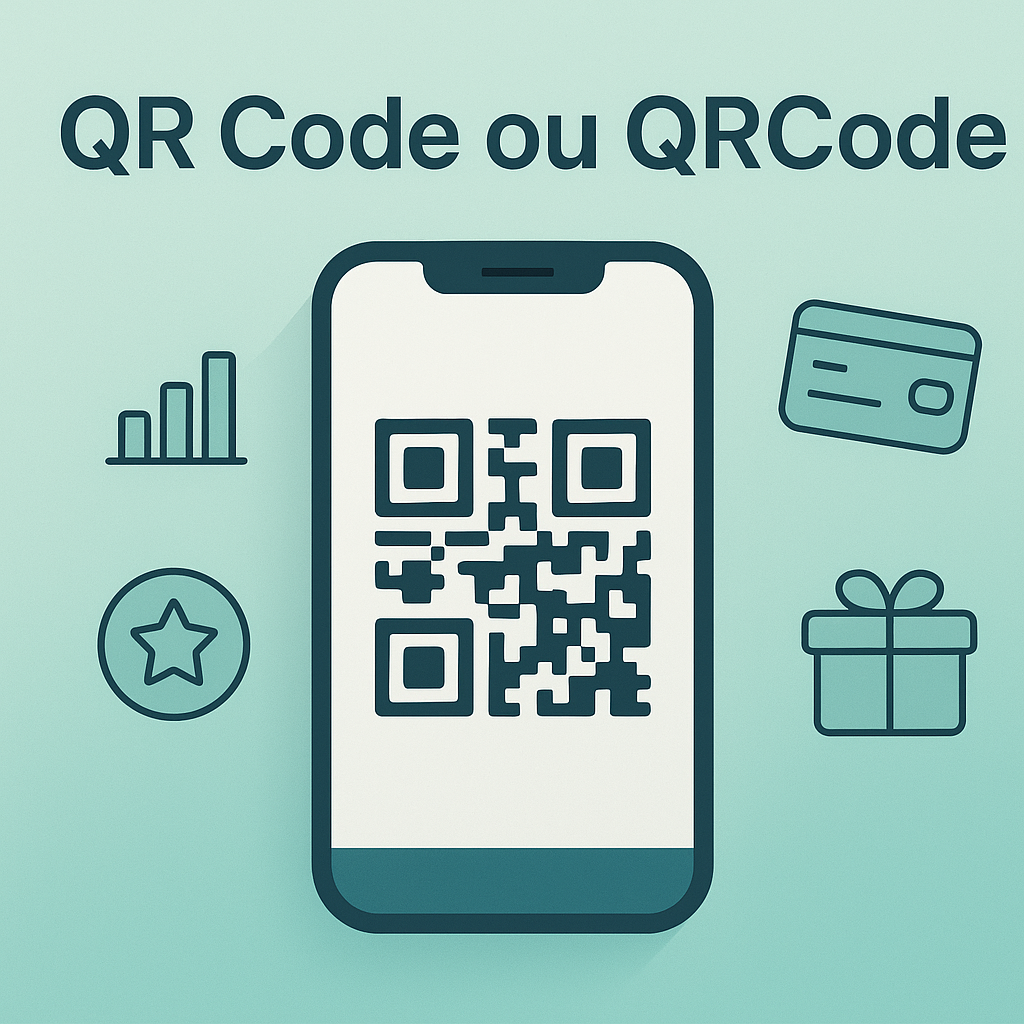
The official term comes from English: Quick Response Code. That's where "QR Code" (with a space and proper capitalization) comes from. The space exists because "QR" is an acronym and "Code" is the noun it modifies.
But language evolves based on how people actually use it. In practice, especially in casual searches, people type "qrcode" (all together, all lowercase) when looking for online generators or quick tutorials on their phones. It's faster to type. It feels more natural in URLs and hashtags.
In corporate documents and technical publications? You'll see "QR Code" spelled properly. But on social media, posts, and hashtags? It's usually "qrcode" or sometimes "QRcode".
Neither is wrong in context. The key is knowing your audience and where your content will appear.
The Official History Behind the Name
QR Code was invented in 1994 by Masahiro Hara at Denso Wave, a Japanese automotive parts company. They needed a better way to track parts during manufacturing. Traditional barcodes were too limited, they could only store about 20 characters and had to be scanned at specific angles.
Hara's team created a two-dimensional code that could store over 7,000 characters and be read from any angle, even when partially damaged. They named it "Quick Response Code" because speed was the primary design goal. The factory floor needed instant reads, not the careful positioning that barcodes required.
Denso Wave made a crucial decision: they released the QR Code specification publicly and chose not to enforce their patent rights. This open approach is why QR codes became universal. Anyone could create readers, generators, or applications without licensing fees.
The ISO standardized QR Code in 2000 (ISO/IEC 18004), cementing "QR Code" as the official terminology. Understanding how QR codes work technically helps explain why the format became so dominant.
The official answer: "QR Code" is the ISO standard. "qrcode" is how people actually search and type it daily.
When to Use Each Form
QR Code (with space) works better in formal contexts. Use it in presentations to clients, corporate documents, technical reports, press releases, academic papers, and materials where you want to follow the official standard. It signals professionalism and attention to detail.
qrcode (all together) is more common in posts, blogs, social media, hashtags, URLs, file names, and quick mobile searches. It's the "real life" form that the public actually types. You'll see it in #qrcode hashtags, in domain names like qrcode-generator.com, and in casual conversations.
QRCode (camel case) sometimes appears in programming contexts and technical documentation. Developers often use this form in variable names, function names, and API references.
The practical rule: match your audience. Writing for developers? QRCode might fit. Creating social content? Use qrcode. Presenting to executives? Stick with QR Code.
SEO Implications: Why This Matters for Your Content
If you're creating content about QR codes, the spelling question has real implications for search visibility. Google's search data shows both terms get significant volume, but the patterns differ.
"QR Code" tends to appear in more informational searches. People looking for explanations, comparisons, and business applications often use the formal spelling. These searches typically have higher commercial intent.
"qrcode" dominates quick utility searches. People looking for generators, scanners, and free tools tend to type it without the space. These searches are more transactional but often lower intent.
For SEO, the ideal strategy is to include both variations throughout your text naturally. Use "QR Code" in headlines, H2s, and formal explanations. Sprinkle "qrcode" in more casual contexts, image alt text, and when discussing how people actually search.
This matters especially when you're building a comprehensive QR code marketing strategy. Your content needs to capture both the business decision-maker searching "QR Code marketing ROI" and the social media manager searching "qrcode generator free".
Ready to Innovate Your Customer Experience?
See how businesses use VISU to turn QR scans into measurable engagement.
How QR Codes Evolved Beyond Simple Links
When QR codes first appeared on consumer products in the early 2000s, they were basically fancy shortcuts. Scan the code, open a website. That was it. Most people found them annoying because they required downloading a separate scanner app.
Everything changed in 2017 when Apple integrated QR code scanning directly into the iPhone camera. Android followed quickly. Suddenly, scanning a QR code was as easy as taking a photo. No app required. Just point and tap.
This native integration transformed QR codes from a novelty into infrastructure. The pandemic accelerated adoption even further. Contactless menus, digital check-ins, vaccine passports. QR codes went from "that thing nobody uses" to "that thing everyone uses" in about 18 months.
Today's QR codes do far more than link to websites. They process payments, verify identities, unlock exclusive content, trigger augmented reality experiences, and connect physical products to digital ecosystems. The latest QR code trends show this evolution continuing rapidly.
QR Codes in Retail and Marketing
Restaurants, retailers, and event organizers have embraced QR codes because they solve real problems. Digital menus reduce printing costs and allow instant updates. Product codes link to reviews, tutorials, and sustainability information. Event codes streamline check-in and enable contactless ticketing.
The economics are compelling. A printed menu costs money every time you change a price or add an item. A QR code linking to a digital menu costs nothing to update. Multiply that across hundreds of locations and the savings become significant.
But cost reduction is just the beginning. QR codes create data opportunities that physical materials never could. You can track which products get scanned most often, what time of day generates peak engagement, which locations drive the most interaction. This data informs everything from inventory decisions to marketing campaigns.
Smart retailers are going further. Instead of just linking to information, they're using QR codes to create value exchanges. Scan for a discount. Scan to join a loyalty program. Scan to enter a contest. Each scan becomes a moment of engagement rather than just information transfer.
QR Code Payments: The New Standard
The financial sector transformed QR codes from marketing tools into payment infrastructure. In markets like China, India, and Brazil, QR code payments have become the dominant transaction method for small businesses.
The appeal is obvious. Traditional card payments require expensive hardware, monthly fees, and transaction percentages. QR code payments need only a printed code and a smartphone. A street vendor can accept digital payments with zero infrastructure investment.
For consumers, QR payments are often faster than cards. No waiting for chip reads or signature verification. Scan, confirm, done. In high-volume environments like transit systems or coffee shops, those seconds matter.
The security model differs from cards too. QR payments typically use tokenization and device-level authentication. Your actual account numbers never transmit during the transaction. Combined with biometric confirmation on modern phones, QR payments can actually be more secure than physical cards.
Gamification: Making QR Codes Interactive
The most interesting QR code applications go beyond utility into experience. Instead of just providing information or processing transactions, they create interactive moments that people actually enjoy.
Gamification principles turn simple scans into engaging experiences. A QR code at a restaurant doesn't just show the menu, it lets you spin a wheel for a discount. A code on product packaging doesn't just link to instructions, it unlocks loyalty points or exclusive content.
This transforms the psychology of scanning. Instead of "I have to scan this to see the menu," it becomes "I want to scan this to see what I get." The motivation shifts from necessity to curiosity and reward.
Brands are building entire campaigns around scannable experiences. Scavenger hunts where finding and scanning codes unlocks prizes. Product launches where early scanners get exclusive access. Events where scanning creates personalized experiences based on attendee preferences.
The data from gamified QR codes is richer too. You're not just tracking that someone scanned. You're tracking what they chose, how they engaged, what motivated them to participate. This behavioral data informs future campaign design and audience understanding.
Summary
The correct form, on paper, is "QR Code". It's the official term, ISO standard, and adopted in technical and institutional documents worldwide.
In practice, many people write "qrcode" and that's completely fine. It's how the public searches, especially on mobile. It's how hashtags work. It's how URLs are structured.
For your content to rank well and speak your audience's language, use both forms naturally throughout your text. Your audience searches both ways. Google understands both. And now you know exactly when each form fits best.
The more important question isn't how to spell it. It's how to use QR codes effectively. Whether you call them QR Codes or qrcodes, they've become essential infrastructure for connecting physical and digital experiences. The businesses that use them well create better customer experiences, capture valuable data, and build engagement that static materials never could.
FAQ: QR Code or qrcode?
What is the correct way: QR Code or qrcode?
Does using "qrcode" instead of "QR Code" hurt my SEO?
When should I prefer to write "QR Code"?
When does "qrcode" make more sense?
Does Google understand "QR Code" and "qrcode" as the same thing?
Can I use QR Code and qrcode in the same text without problems?
What about "QRCode" with no space but capital letters?
Why did QR Code become so popular recently?
Transform Every Scan Into Revenue
Join businesses already using VISU for gamified QR experiences.