

The scene is always the same. Your customer's wallet is packed with receipts, business cards, random notes and a few crumpled loyalty cards they do not even remember. In the middle of that chaos, your little stamp card becomes just another piece of paper that will one day go through the washing machine inside a pair of jeans.
On paper, it looks like you are investing in customer loyalty. In reality, most of the time you are just printing expensive trash. You pay the print shop, hand out a thousand cards, stamp a few, lose several and still have no idea who your best customers are, how often they come back or how much that loyalty program really returns to your food truck or cart.
This comparison is straight to the point. We will put paper loyalty cards and digital loyalty side by side to show where you lose money, where you are exposed to fraud and how data becomes a game changer in 2026 for anyone living off street food.
Get Paid to Scan QR Codes
While food trucks upgrade their loyalty programs, you can earn rewards just by scanning. No paper cards needed.
Quick video. Earn your first reward.
The Hidden Cost of Paper Loyalty Cards
When you only look at the print shop invoice, paper loyalty cards seem cheap. You pay once, print a thousand units and that is it. But the real cost is not just on the printing. It is in what you cannot see: lost cards, fraud, lack of data and sales opportunities that never become reality.
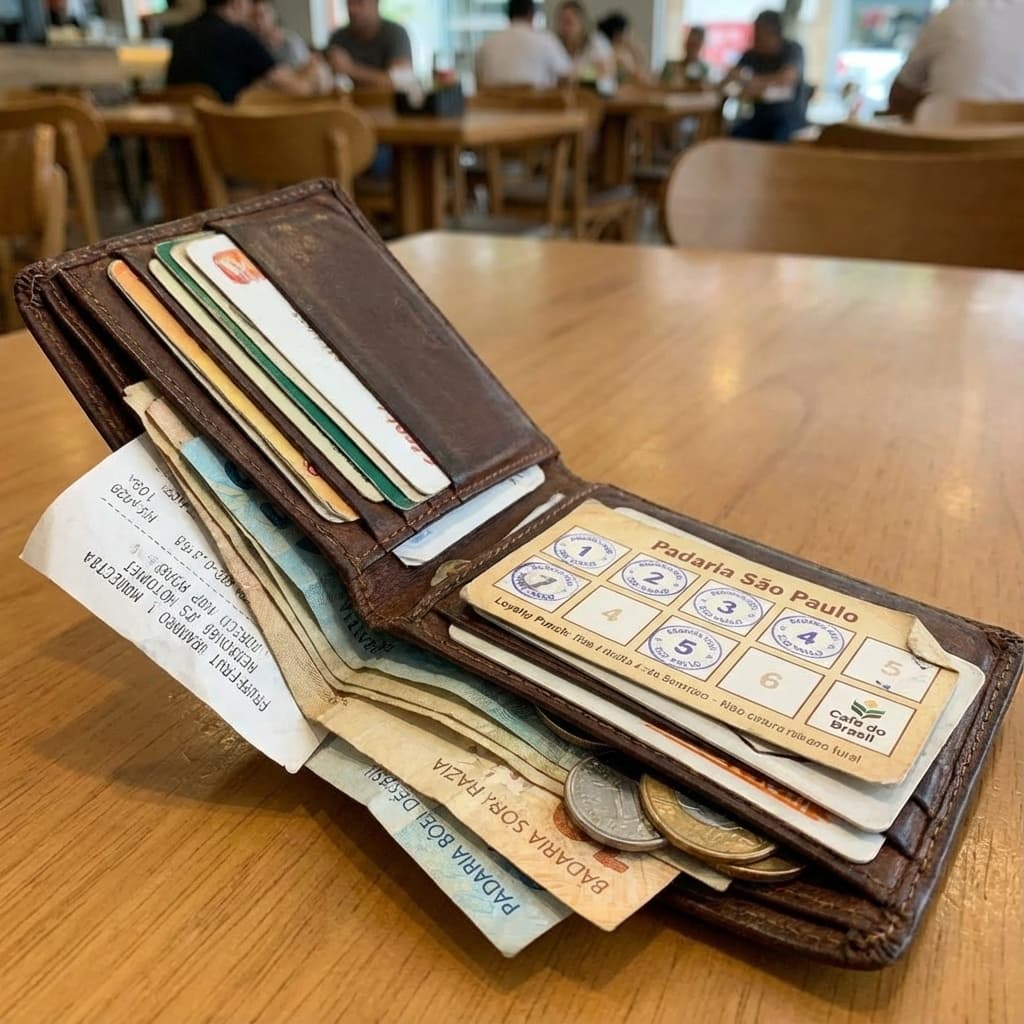
Understanding the real economics of street food profit means seeing these hidden leaks. Every card that gets lost or faked is money you never see again.
The Stamp Fraud Problem
With a paper card, almost all control is visual. A scribble, a similar stamp or a quick signature can be enough for someone to try to get a free burger or combo without completing the required number of visits. If the card is not properly filled out or your team is busy, it happens.
In food trucks and street carts, where service is rushed, the chance of this slipping through is high. A friend lends the card to another, someone fakes a similar stamp, a distracted employee stamps twice. Over time this becomes a slow leak of money you do not feel in the moment but that eats into your margin month after month.
The Data Blind Spot
Another big issue with physical cards is the total lack of information. You hand out a thousand cards and hope they come back. Some do, many disappear. You do not know how many were used, who your most loyal customers are, which day they buy the most or how long they stay away.
Without data, you cannot create targeted campaigns or reactivate people who have gone missing. It is marketing in the dark. Everything depends on the customer remembering you when they are hungry and on their wallet not swallowing the card.
Reality check: if you do not know who your best customers are, every loyalty card you print is more of a freebie than a real strategy.
Digital Loyalty: Less Friction and More Intelligence
With digital loyalty, the card is no longer in your customer's pocket. It lives on their phone and in your system. Instead of paper changing hands, you have a fixed QR code on your counter or on the side of your truck. The customer scans it, registers the visit and moves on without having to keep anything physical.
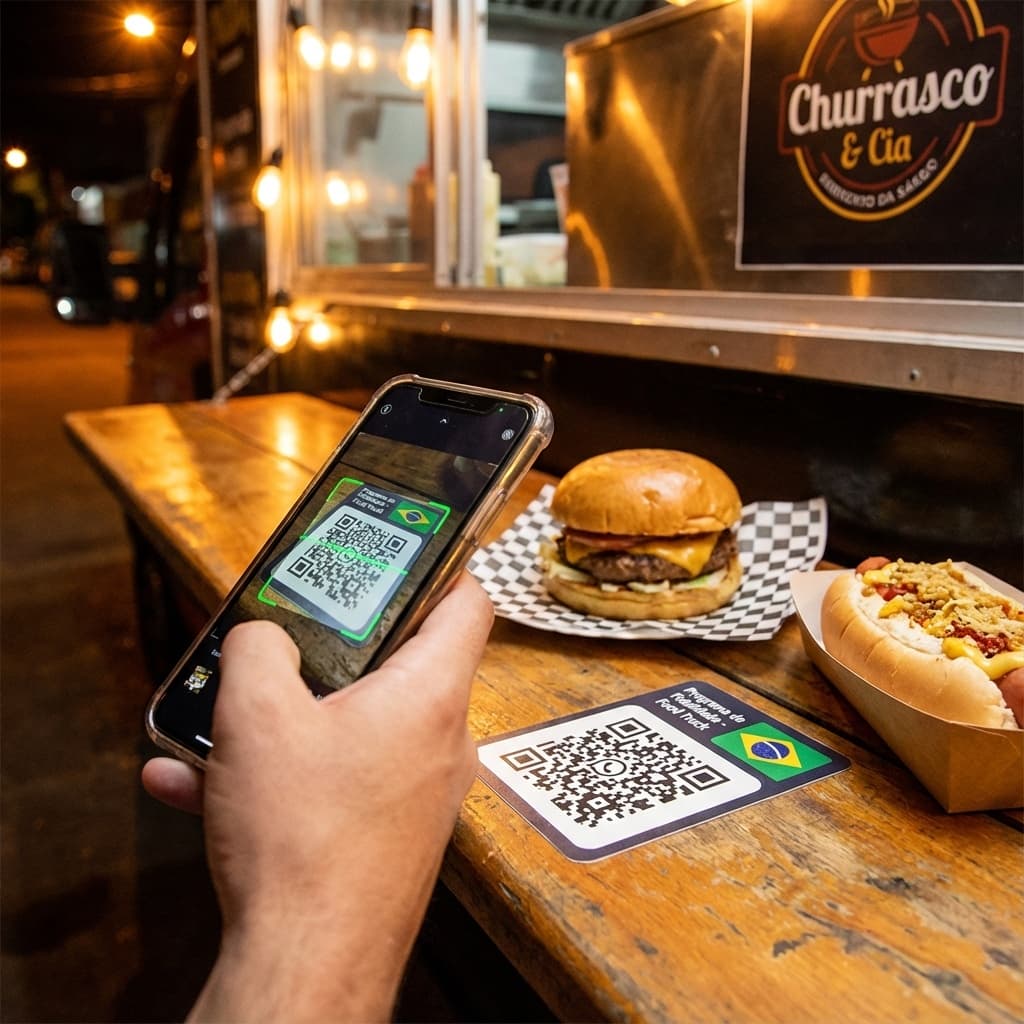
In any food environment, hygiene matters. Paper cards go from hand to hand, get dirty, bent, fall on the floor. A QR code is contactless. People only touch their own phones. And while everyone forgets their wallet sometimes, almost nobody forgets their phone.
The Phone Does Not Forget the Loyalty Program
The biggest advantage of digital loyalty is simple: the program follows your customer wherever they go, inside their phone. They can switch bags, change wallets, go to the gym, work and come back later. If your truck stays in the same spot, the QR code is still there waiting for one more scan.
When you run a lightweight digital system, you start building a base with names, contacts and history. You can message people who disappeared, create promos for slow hours and understand which combos actually build loyalty. That is something a paper card will never give you. This connects directly to how you build real customer loyalty in street food.
Paper Loyalty vs Digital Loyalty: Side by Side
To make it even clearer, it helps to look at both models as if they were different products. Instead of thinking only in terms of habit, compare them by real criteria: cost, fraud, data and actual return for your food truck or cart.
| Criteria | Paper | Digital |
|---|---|---|
| Cost | Recurring printing cost | Low or zero fixed cost, scales easily |
| Fraud | High risk (fake stamps, shared cards) | Near zero risk (system validates visits) |
| Data | Blind, you do not know who buys | Rich: name, contact and visit history |
| Loss | Customer loses, gets it wet or throws away | Saved on the phone and in the cloud |
| Hygiene | Dirty paper passing from hand to hand | Contactless, no shared surfaces |
When you see it side by side, it is clear that paper only wins on habit. Digital wins in everything that matters in 2026: control, intelligence, hygiene and the ability to run campaigns. If you want to go deeper on how capturing leads at events compounds with loyalty, the principles are the same.
Turn Every Customer Into a Regular
Food trucks using VISU capture contacts, build loyalty, and increase sales with smart QR campaigns.
See How It Works"My Customers Do Not Want to Download an App"
This is the number one objection when people think about digitizing loyalty. And it makes sense, because many old programs required installing a heavy app, creating a login and password and using phone storage. For quick street food, that is a tough sell. Customers will not stop their day to install an app just to get a stamp.
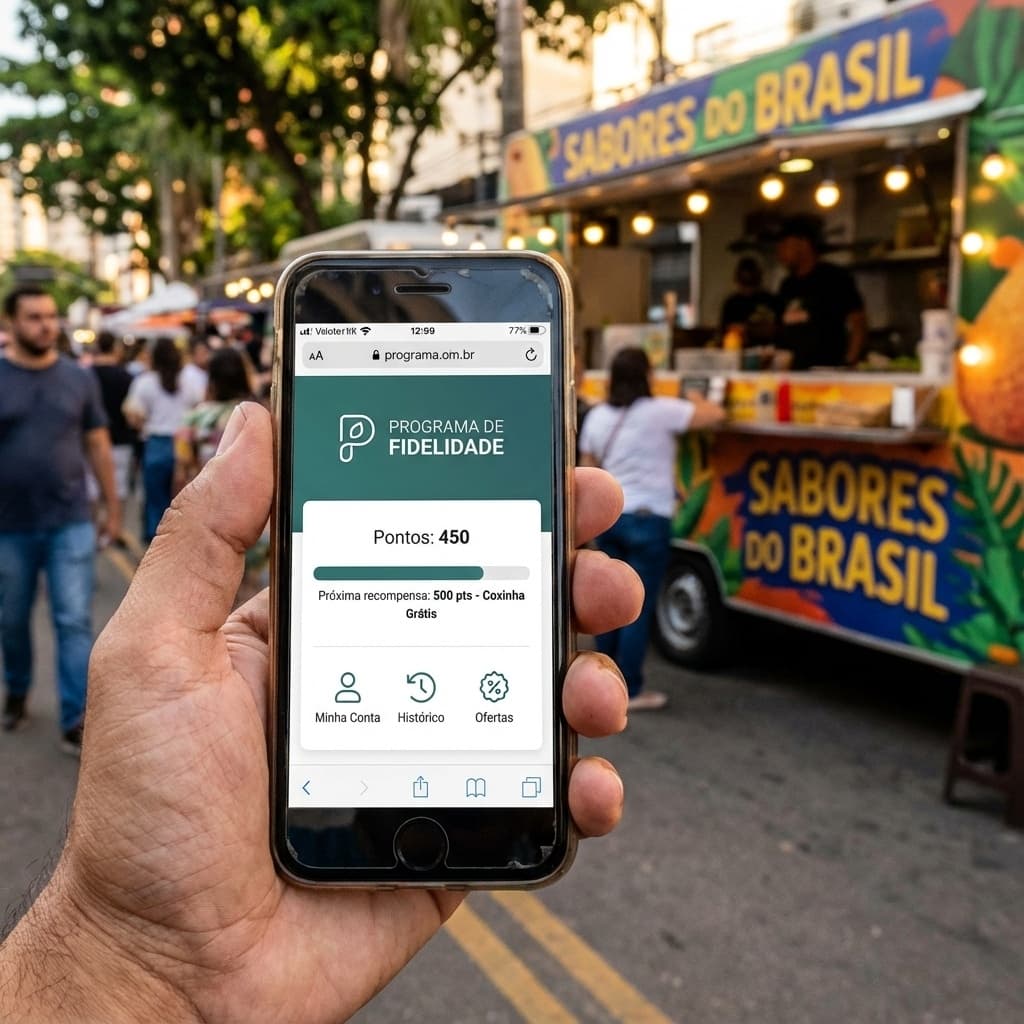
The difference is that modern digital loyalty uses a web app plus QR code. It works like this: the customer points the camera at the code, a lightweight page opens in the browser, they confirm the visit and that is it. No downloads and no password to remember. It is as simple as opening a link.
The QR code on your counter sends people into a fast experience designed for food trucks and street food, without installation. You keep the customer record, visit history and reward rules without adding friction. For your customer, it feels almost as easy as getting a stamp. For you, it is infinitely smarter. And if you pair it with a good digital menu, the whole experience becomes seamless.
How to Move From Paper Cards to Digital Without Losing Anyone
Just because digital is better does not mean you have to throw away every paper card on the same day. The smarter way is to run a migration campaign. Use the stack of cards already in circulation as the starting point for your new program.
A simple idea is to announce something like this on your cart and social media: "Migration promo: bring your old paper loyalty card, even if it is not full, and get two points in the new digital program right now."
That way, people who already have a paper card feel valued and motivated to switch. You register them in the digital system, scan the QR code, add the points and start watching your base grow. In a short time, paper becomes the exception. The default becomes QR code, points on the phone and active communication with your best customers.
In 2026, Loyalty Without Data Is Just a Printing Cost
Paper loyalty cards worked well for decades. They were the best we could do with the technology available at the time. Today, for anyone running a food truck, trailer, hot dog cart or acai stand, they have turned into an expensive and blind solution. You print, hand out, hope they come back and still cannot see what is really happening.
Digital loyalty changes the game because it turns every stamp into information. Instead of a lost piece of paper in someone's wallet, you have names, contacts and visit history. You can run campaigns for slow hours, reward people who bring friends, announce new events and test different offers.
In 2026, if you do not have data, you do not have a real business. If you are still spending money on paper punch cards, this might be the time to give your last printed batch a real purpose: bring your customers into a loyalty program that actually pays you back. And if you want to see the bigger picture of how attention becomes currency, check out how to get paid for your attention.
Turn Every Customer Into a Regular
Join food trucks using VISU to build loyalty, capture leads, and increase sales with smart QR campaigns.