

Is VISU legit or just another rewards app that wastes your time? We tested it for 6 months to find out. Because your attention has real value, you deserve the honest truth before downloading another app.
The short answer: VISU is legitimate. But your earnings depend heavily on campaign availability in your area and how often you visit participating locations.
This review breaks down how VISU works, what you can realistically expect, where the rewards come from, and who it makes sense for in 2026. No hype. No pretending results are guaranteed.
Looking for more earning options? See our complete guide to apps that pay real money.
Quick video. Earn your first reward.
Quick Verdict: Is VISU Legit?
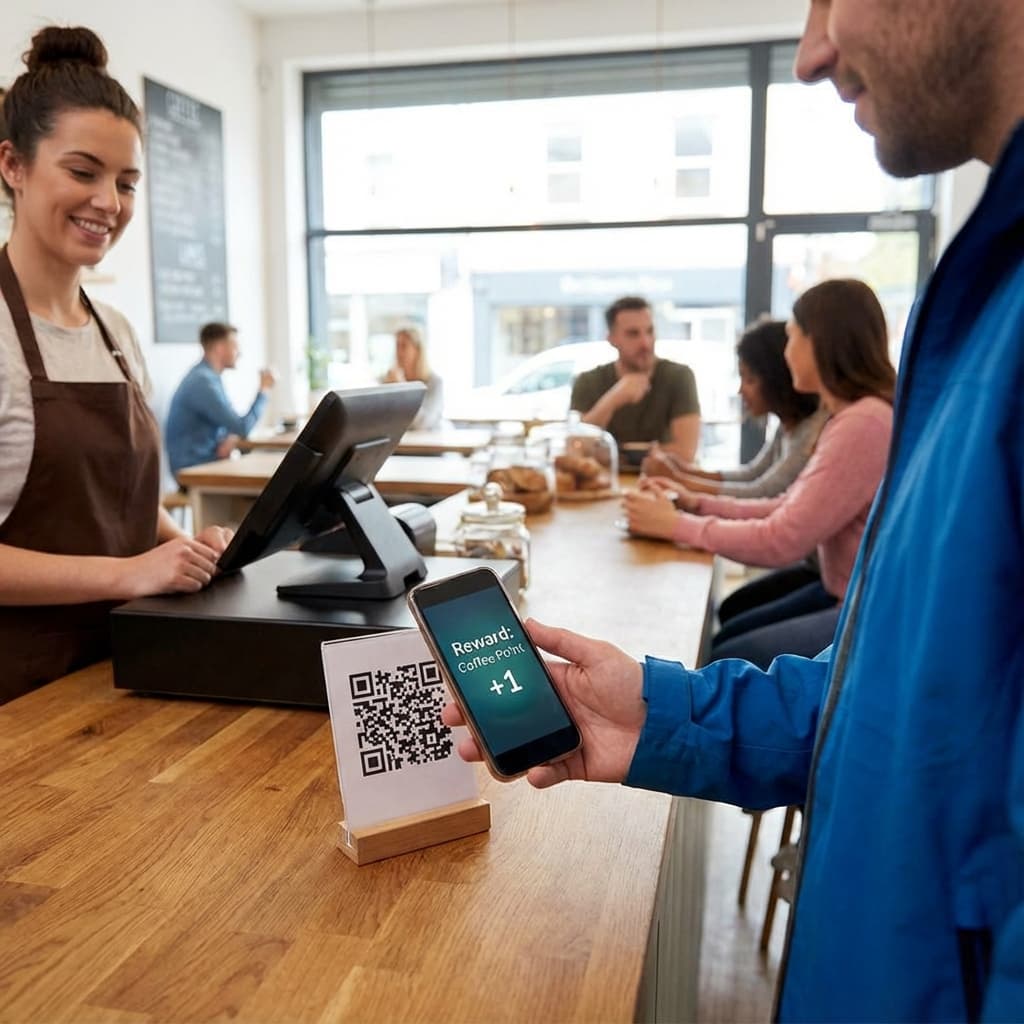
VISU is a legitimate rewards app.
The model is straightforward: brands and businesses pay for verified, location-based engagement, and users can earn rewards for participating when campaigns are available.
What matters is expectations. Earnings depend on partner density near you, campaign availability, and how often you naturally visit participating locations. For many users, this is side money, not a primary income source.
Here is the detailed breakdown.
What Is VISU Network?
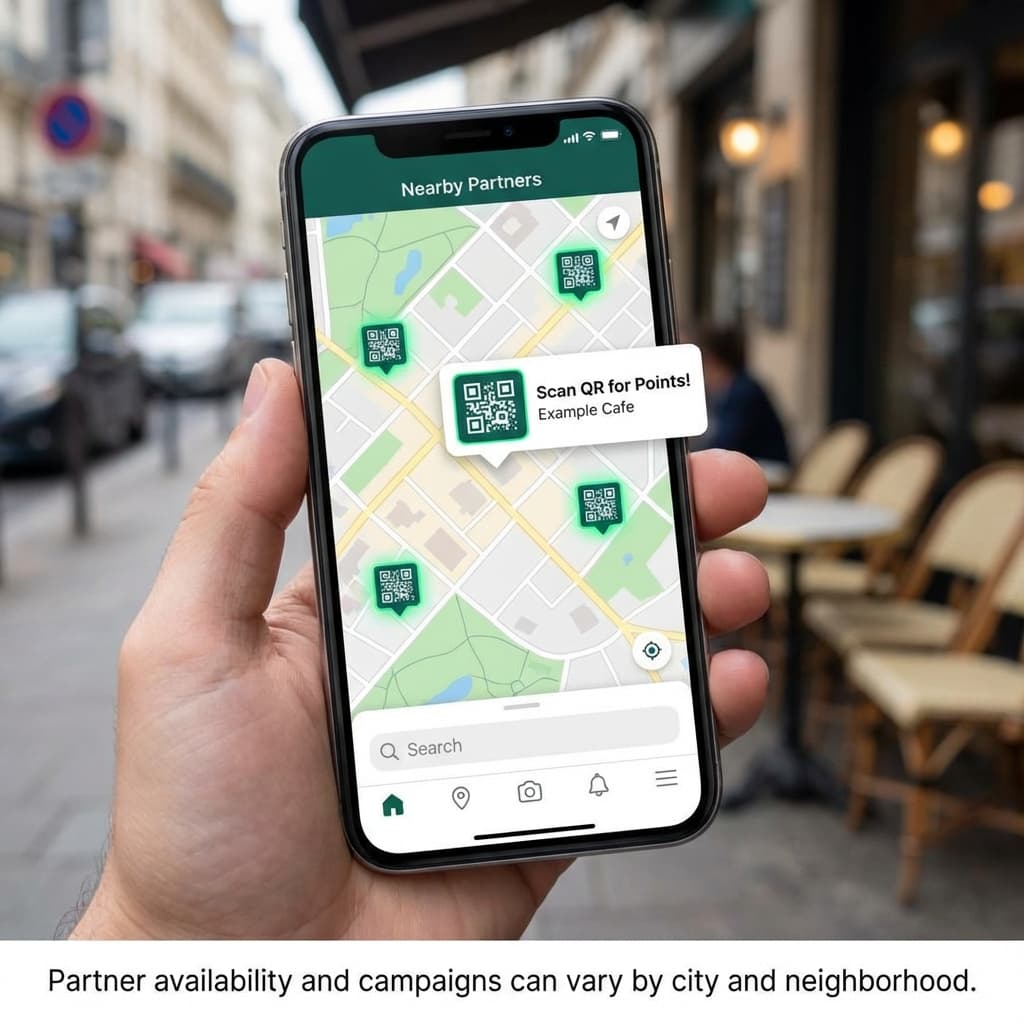
VISU is a rewards app that can reward users for engaging with location-based campaigns. The core action is simple: scan a QR code, complete a short brand experience, and receive a reward if that campaign is active and available to you.
QR codes can appear at participating locations such as restaurants, retail stores, events, and other businesses. When you scan, the platform can verify real-world presence at that location, which is valuable for advertisers and partners running campaigns.
Key highlights
- Fast reward flow: Rewards can credit right after you complete the experience, depending on the campaign.
- Low friction: Scanning is quick and works best when you already visit those places.
- No purchase required: Campaign rules vary, but the general model rewards engagement, not buying.
- Location-based: Rewards depend on scanning at participating locations.
- Offline resilience: Some experiences can still work with weak signal, then sync when you reconnect.
Platforms
VISU is available on iOS and Android. The web app at visu.to can also be used for account access and settings.
Availability
Campaign and partner coverage varies by region. Some areas will have more opportunities than others, especially major metro areas.
How VISU Works (Step by Step)
Step 1: Create an account
Download the app and sign up. You typically do not need a credit card to get started.
Step 2: Find an active campaign
When campaigns are available, you may see nearby opportunities in the app or discover a code directly at a location.
Step 3: Scan at the location
Look for a VISU QR code at a participating business or event. Open the scanner and scan the code while you are there.
Step 4: Complete the experience
After scanning, you may see a short ad, a brand message, a quick question, or an interactive flow. Time varies by campaign.
Step 5: Earn rewards if eligible
If the campaign is active and you meet the rules for that scan, a reward is credited to your balance.
Step 6: Redeem based on your region
Redemption methods and minimums can depend on region and current program rules. Always check the cashout screen inside the app for the latest options.
Looking to Launch Location-Based Campaigns?
VISU helps brands and businesses connect with real customers through verified QR engagements. Drive foot traffic, measure results, reward loyalty.
How Much Can You Earn With VISU?

Earnings depend on campaign rules, partner density in your area, and how often you naturally visit participating locations.
What affects earnings
- Campaign type: Some experiences reward more than others.
- Location value: High-traffic areas and events can have stronger campaigns.
- Engagement depth: Longer interactions can reward more, depending on the campaign.
- Availability: If you have few partners nearby, you will see fewer opportunities.
Realistic monthly ranges
| User Type | Scans per Week | Monthly Range | Profile |
|---|---|---|---|
| Casual | 3 to 5 | Low to modest | Scans only when convenient |
| Regular | 10 to 20 | Modest | Scans at places already visited |
| Active | 25 to 40 | Higher | More consistent, tracks opportunities |
| Power User | 50+ | Highest potential | Metro area, events, uses every chance |
Note: exact reward values can change by campaign and region, so treat any estimate as a range, not a guarantee. For more earning strategies, see our guide to side hustles that pay daily.
Referrals
VISU can run referral promotions that reward users when friends join and become active. Bonus amounts and eligibility can vary by campaign period and region.
Where Do VISU Rewards Come From?
This is the core test for legitimacy. If you cannot explain where rewards come from, the model is usually not sustainable.
Advertisers pay for verified engagement
Brands can pay to reach people who are physically present in specific contexts. That is valuable because it can reduce bots and increase relevance compared to random online impressions.
Businesses pay for customer engagement
Participating businesses can benefit from campaigns that drive engagement, improve customer flows, and measure attention around a location or event.
Users receive a share of campaign value
VISU operates as the marketplace connecting brands, locations, and users. A portion of the campaign value can be shared with users as rewards when scans and engagements meet the campaign rules.
VISU Pros and Cons
Pros
- Quick action: Scans can take seconds.
- No purchase focus: Rewards are based on engagement, not spending.
- Clear model: Rewards are tied to campaigns funded by brands and partners.
- Good fit for routines: Best when you scan at places you already go.
Cons
- Coverage varies: Partner density can be much higher in some cities than others.
- Not "from home" income: It is location-based by design.
- Earnings are modest for most users: It is side money, not salary replacement.
- Campaign rules can change: Reward sizes and redemption options may vary over time.
Best for
- People who eat out or shop frequently
- Event attendees
- Urban areas with active campaigns
- Anyone who wants to earn from places they already visit, especially effective when combined with walking reward apps
Not ideal for
- Rural areas with few participating locations
- People who rarely go out
- Anyone expecting large, consistent income from a single app
VISU vs. Other Rewards Apps
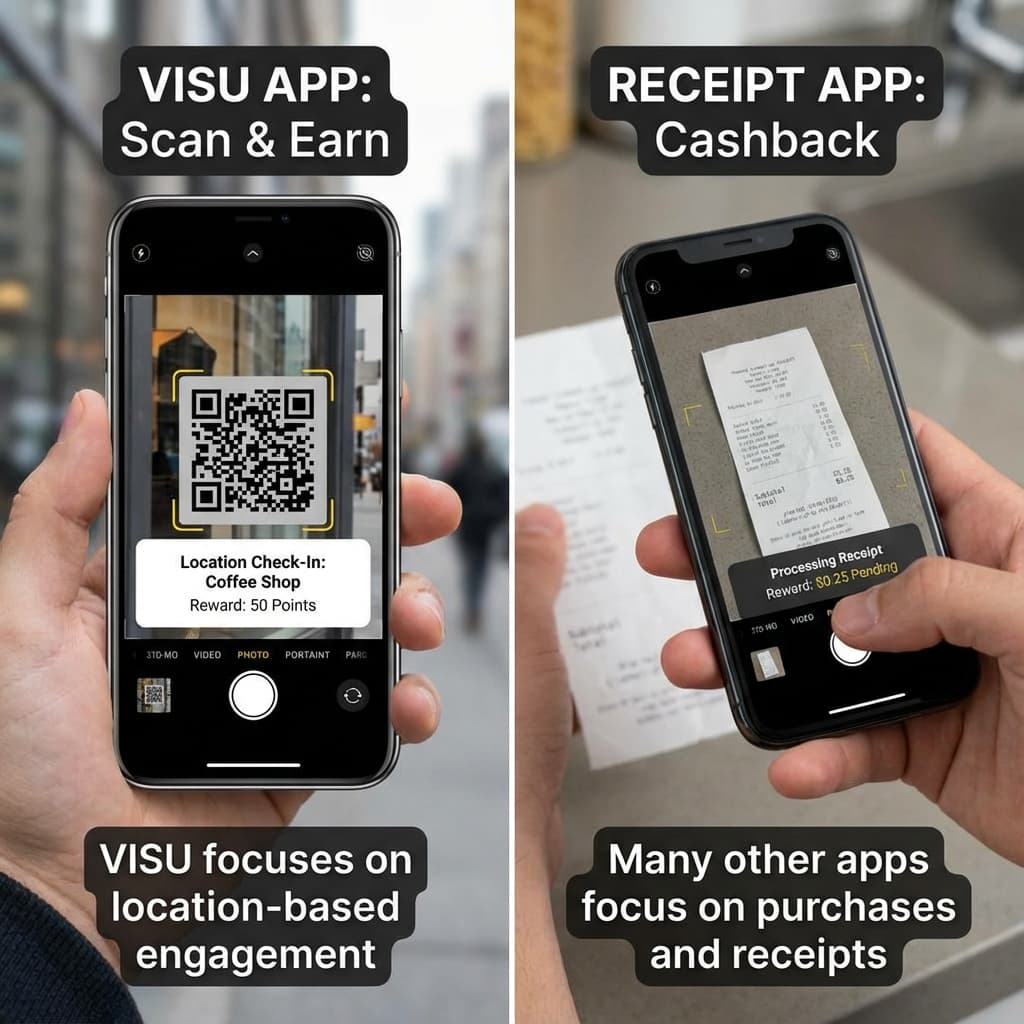
Most rewards apps are purchase-based (cashback, receipts, offers). VISU is different because the core action is location-based engagement through QR codes.
VISU focuses on QR scans at locations. For apps that reward reviews, check-ins, and store visits without QR requirements, see our comparison of apps that pay for reviews and visits.
| Feature | VISU | Ibotta | Shopkick | Fetch |
|---|---|---|---|---|
| Main action | QR scans | Receipts and offers | Walk-ins and scans | Receipts |
| Purchase required? | Not necessarily | Usually yes | No for some actions | Receipt implies purchase |
| Best for | Location visits | Grocery cashback | Mall and retail | Any receipts |
Smart approach: Use VISU alongside a receipt or cashback app. One real-world trip can generate multiple reward types. See our complete passive income apps guide for stacking strategies.
Is VISU Safe? Privacy and Security
Location-based rewards require trust. VISU needs location context to verify scans at real places.
What to expect
- Location usage: Scanning campaigns are tied to places, so location context is part of the system.
- Permissions: Always review permissions on your phone and only allow what you are comfortable with.
- Policies: Check VISU policy pages for the latest details on data handling and retention.
If you are not comfortable with location-based apps, this category of rewards products may not be a fit, regardless of platform.
Common Questions and Concerns
"This sounds too good to be true"
The model only makes sense when earnings are realistic. Location-verified engagement has value, but it does not translate into huge income for most people.
"How do I know it will work in my area?"
Check the app for nearby opportunities. If you see few or no campaigns, earnings will be limited until coverage grows.
"Is scanning QR codes awkward in public?"
Not really. QR codes are common in menus, payments, check-ins, and promotions. Scanning looks normal in most places.
"Is it worth it?"
If you already visit participating locations, a quick scan is low effort. If you need to travel specifically to find codes, the return may not justify the time.
Want to Create QR Campaigns That Drive Results?
Whether you run a single location or a national brand, VISU offers solutions for verified engagement, foot traffic, and measurable ROI.