

A customer loves your business and wants to leave a review. They could post on Google. They could post on Yelp. Maybe both. But where do most people actually look when choosing a local business? And where should you focus your limited time and energy?
If you run a local business, you have probably asked yourself whether Google Reviews or Yelp matters more. Both show up in searches. Both influence decisions. But they work differently, reach different audiences, and require different strategies.
This post breaks down the real differences between Google Reviews and Yelp, what each one actually influences, and how to prioritize when you cannot manage everything perfectly.
Different platforms, different ecosystems
Google Reviews and Yelp exist in fundamentally different contexts. Understanding this shapes your entire approach.

Google Reviews lives inside the world's dominant search engine. When someone searches for anything local, Google shows its own reviews right in the results. No extra app needed. No separate search. The reviews are just there, influencing clicks before customers even realize they are being influenced.
Yelp is a destination. People actively go to Yelp to research businesses, especially restaurants, home services, and local shops. It has a dedicated user base that trusts its review culture. But they have to choose to go there first.
Google is the default: Yelp is the deliberate choice.
Who actually sees each platform
The visibility difference is significant and often underestimated.
Google Reviews are seen by virtually everyone who searches. Someone looking for "coffee shop near me" sees Google ratings whether they wanted to or not. The exposure is passive and massive. You are being judged by people who never intended to read reviews.
Yelp reviews are seen by people who specifically open the Yelp app or website. This is a smaller but more intentional audience. They came to read reviews. They are doing research. They might be more thorough but there are fewer of them.
For most local businesses, this means Google Reviews reach more potential customers simply because Google is where people start most local searches.
The SEO factor that changes everything
Here is where the comparison gets lopsided: Google Reviews directly impact your visibility in Google search. Yelp reviews do not.
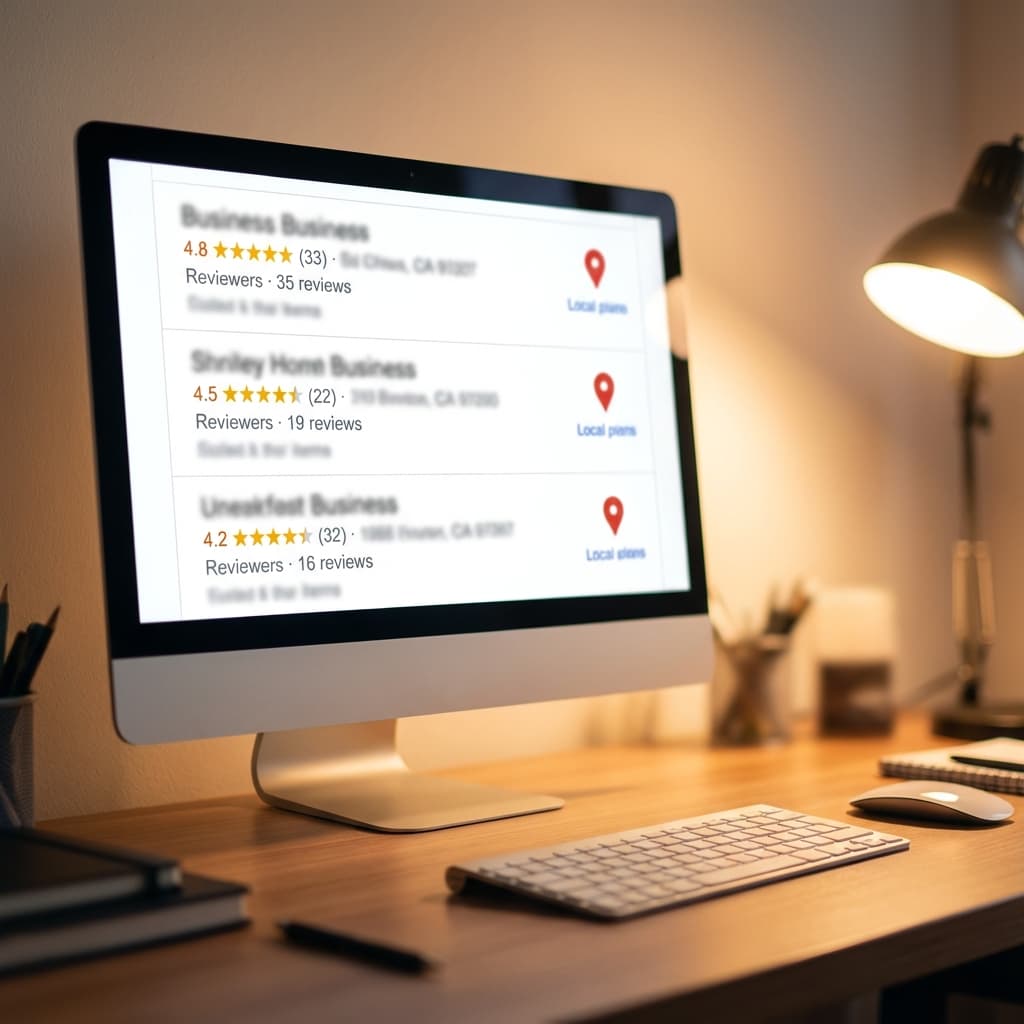
When someone searches for your type of business, Google considers your review quantity, average rating, and recency as ranking factors. More positive reviews can push you higher in the local map pack. That means more visibility, more clicks, more customers walking through your door.
Yelp has no influence on Google search rankings. Your Yelp page might appear in results if someone searches your specific business name, but it does not help you get discovered in category searches.
For businesses that depend on being found in local searches, this single factor often makes Google Reviews the clear priority. To understand how reviews fit into your overall local search strategy, see the complete guide to Google Business Profile.
Review culture and expectations
The type of reviews you get on each platform tends to differ.
Google Reviews skew toward quick feedback. Many reviews are short. The barrier to leaving a review is low because almost everyone has a Google account. You get more volume but often less detail.
Yelp Reviews tend to be longer and more detailed. Yelp has cultivated a community of reviewers who take pride in thorough write-ups. The platform also has a controversial review filter that can hide reviews it considers unreliable, which frustrates some business owners.
This difference means Yelp reviews might carry more persuasive power per review, but Google delivers more total exposure and influences search rankings directly.
Which one drives more sales
For most local businesses, Google Reviews has a more direct path to revenue.
The math is simple: Google is where the customer journey starts for most people. Before they know your name, before they visit your website, they see your Google rating in the search results. A strong rating means more clicks. More clicks mean more opportunities.
Yelp matters more for specific industries where its user base is concentrated: restaurants, bars, salons, home services. In these categories, a dedicated Yelp audience actively uses the platform to make decisions.
For a deeper dive into how reviews translate to actual customers, see how to use Google reviews to attract more customers.
Google helps you get found: Yelp helps you get validated.
When Yelp matters more
There are specific situations where Yelp deserves significant attention:
- Restaurants and food businesses: Yelp has deep penetration in the dining category. Foodies use it religiously.
- Home services: Plumbers, contractors, cleaners. Yelp users often search these categories directly on the platform.
- Urban markets: Yelp usage is higher in major metropolitan areas, especially on the coasts.
- Businesses already established on Yelp: If you already have a strong Yelp presence, maintain it.
If your business falls into these categories and your target customers are in Yelp-heavy markets, you cannot afford to ignore it.
The practical prioritization framework
You have limited time. Here is how to think about where to focus:

Priority 1: Google Reviews (almost always)
- Directly impacts search rankings
- Seen by the largest audience
- Lower barrier for customers to leave reviews
- Essential for any local business
Priority 2: Yelp (conditional)
- Important if you are in restaurants, food, or home services
- Important if you are in a major metro market
- Important if you already have a Yelp presence to maintain
- Less critical for other business types
The exception: If your Yelp rating is significantly worse than your Google rating, you need to address it. Customers who check both will notice the gap and wonder why.
The bottom line
Google Reviews and Yelp are not interchangeable. They serve different roles in how customers find and choose businesses.
Google Reviews is about discovery and search visibility. It reaches more people, influences rankings, and should be the foundation of your review strategy.
Yelp is about validation and detailed research. It matters more in specific industries and markets where its user base is strong.
The smart approach is to prioritize Google for most businesses while monitoring and maintaining Yelp based on your specific category and market. Ignoring either completely is risky, but trying to master both equally is usually unnecessary.
Build a reputation that works everywhere
Stop guessing which platform matters. Build a system that keeps your reputation strong where customers actually look.
Frequently Asked Questions About Google Reviews vs Yelp
Which platform has more users?
Google has far more users overall because reviews appear in standard search results. Yelp has a dedicated user base but requires people to specifically use the app or website.
Do Google Reviews help my search ranking?
Yes. Google considers review quantity, quality, and recency as factors in local search rankings. More positive reviews can help you appear higher in map results.
Why does Yelp hide some of my reviews?
Yelp uses an algorithm to filter reviews it considers potentially unreliable. This is controversial but intended to prevent fake reviews. Unfortunately, legitimate reviews sometimes get filtered too.
Should I ask customers to review on both platforms?
Focus on Google first for most businesses. Only actively push for Yelp reviews if you are in a category where Yelp is particularly important, like restaurants or home services.
What if my ratings are very different on each platform?
A significant gap raises questions. If one platform is much worse, focus on understanding why and improving there. Customers who check both will notice the inconsistency.