

You check Google Maps and there it is: your competitor has 4.8 stars and 200 reviews. You have 3.9 and 45. Customers search, see both options side by side, and click on them. You watch potential sales walk through their door instead of yours, day after day.
It feels unfair. You know your product is good. Your service is solid. But none of that matters if the first impression on Google makes you look like the second choice. The star gap is real, and it is costing you money every single day.
The good news is that this game is not over. You can close the gap, but not with shortcuts or fake reviews. It takes strategy, consistency, and understanding what actually moves the needle. This post is your playbook for turning the tables.
Why your competitor is winning right now
Before you can win, you need to understand why you are losing. It is rarely about who is actually better. It is about who looks better at first glance.

Your competitor probably is not doing anything magical. They just figured out how to ask for reviews consistently. They respond to feedback. They keep their profile active. Small actions, compounded over time, created the gap you see today.
The star difference is not permanent. It is a snapshot of past behavior. Change your behavior, and the snapshot changes too.
Stop comparing totals, start comparing momentum
If they have 200 reviews and you have 45, you will not catch up overnight. But that is not the game. The real game is momentum.
Google weighs recent activity. A business getting 10 reviews per month looks more alive than one with 500 reviews from two years ago. Fresh reviews signal relevance.
You do not need to beat their total: you need to beat their pace.
If your competitor stopped actively collecting reviews and you start now, you can shift the perception faster than you think. Customers notice recency. Google notices recency. That is your opening.
The response advantage most people ignore
Here is something your competitor might be missing: responses. Many businesses collect reviews but never reply. That is a gap you can exploit.

When potential customers compare profiles, they read comments and responses. A business that replies thoughtfully to every review, positive and negative, looks more engaged and trustworthy than one that stays silent.
This is where knowing how to respond to Google reviews becomes a competitive weapon. Your responses show personality, professionalism, and care. That matters more than a few decimal points in the rating.
Turn your weaknesses into strengths
Read your competitor's reviews carefully. Look for complaints. What are people unhappy about? Slow service? Rude staff? Limited options? Those are your opportunities.
If customers complain that your competitor has long wait times, make speed your thing. If they mention poor communication, become the business that always follows up. Position yourself as the solution to their problems.
Then make sure your reviews reflect that. When customers mention your strengths in their reviews, the comparison works in your favor even if your star count is lower.
Build a review engine that runs without you
Your competitor did not get 200 reviews by asking manually at checkout every time. They built a system. You need one too.
The goal is to make leaving a review effortless for customers. QR codes at the counter, follow-up messages after purchase, receipts with review links. The easier you make it, the more reviews you get.
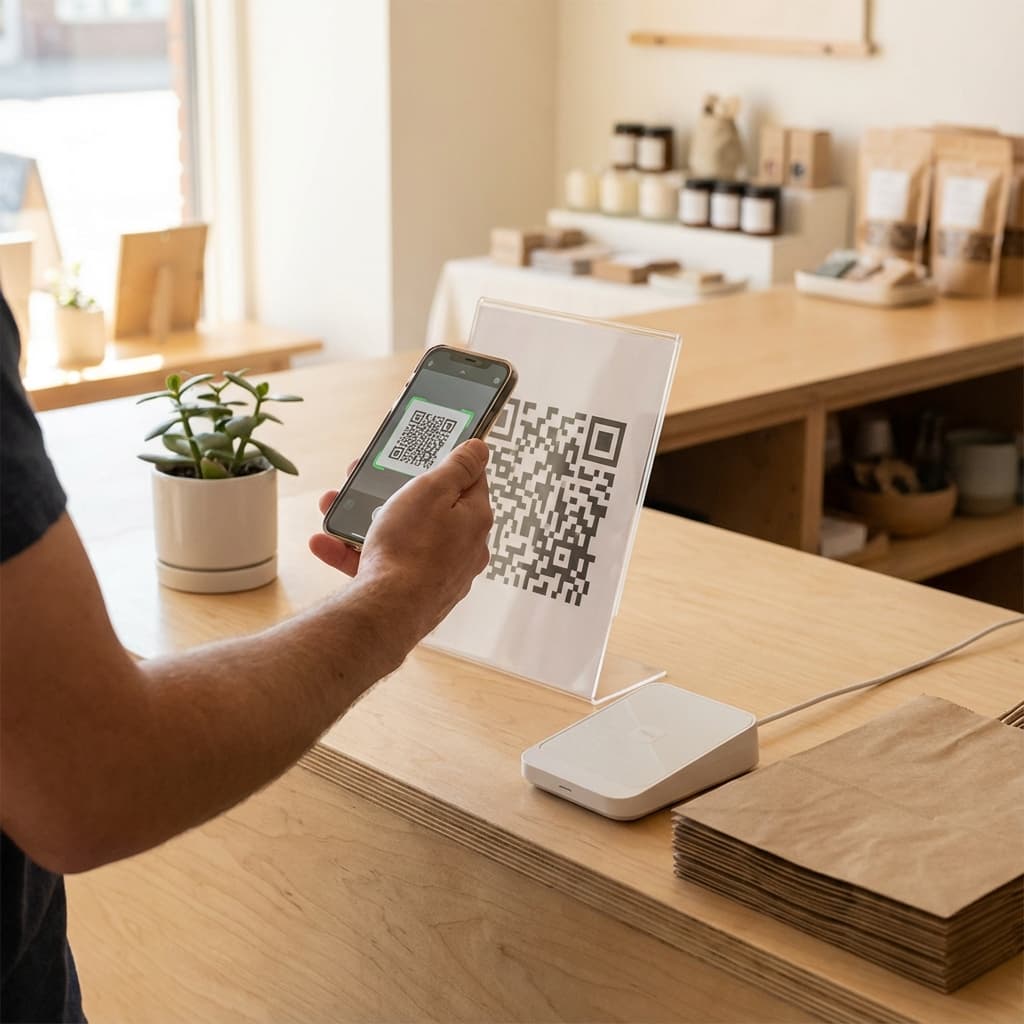
For a complete breakdown of tactics, see how to get more Google reviews. The key is consistency: a few reviews every week beats a burst once a year.
Play the long game with quality
Here is the uncomfortable truth: if your service is actually worse than your competitor's, no amount of review strategy will save you. Reviews amplify reality. They do not create it.
Use this competition as motivation to level up. Fix the real problems. Train your team. Improve the experience. When you genuinely become better, the reviews will reflect it.
Reviews are the scoreboard: the game is won on the floor.
The businesses that win long-term are not the ones gaming the system. They are the ones delivering great experiences and making it easy for customers to share them.
What not to do when you are behind
Desperation leads to bad decisions. Avoid these traps:
- Buying fake reviews: Google detects them. Your profile gets suspended. You lose everything.
- Attacking competitor reviews: Leaving fake negative reviews on their profile is unethical and often backfires.
- Obsessing over the gap: Checking their profile daily just drains your energy. Focus on your own momentum.
- Offering discounts for reviews: Violates Google policies and attracts the wrong customers.
The temptation is real, but shortcuts always cost more in the end. Play clean and play consistent.
Your 90-day catch-up plan
You will not close the gap this week. But in 90 days, you can change the trajectory completely. Here is a simple framework:
- Week 1-2: Set up a review collection system. QR codes, follow-ups, team training.
- Week 3-4: Respond to every existing review. Show you are active.
- Month 2: Aim for 5-10 new reviews per week. Fix any recurring complaints.
- Month 3: Maintain momentum. Start using reviews in marketing. Track progress.
By day 90, you will have more recent reviews than your competitor, active responses, and a profile that looks alive. The gap may still exist in total count, but the perception will have shifted.
Ready to close the gap?
You can keep watching your competitor win or start building your own momentum today.
Frequently Asked Questions About Competing on Google Reviews
How long does it take to catch up to a competitor with more reviews?
It depends on the gap and your consistency. With a solid system, you can shift perception in 60-90 days even if total review count takes longer to match.
Does responding to reviews really help me compete?
Yes. Many businesses ignore their reviews. Active responses make you stand out and show customers you care more than competitors who stay silent.
Should I worry more about star rating or review count?
Both matter, but recency matters most. A 4.5 with 20 recent reviews often beats a 4.7 with no activity in months. Focus on fresh momentum.
Can I report fake reviews on my competitor's profile?
You can report reviews that violate Google policies, but focus on your own profile first. Building your reputation is more productive than attacking theirs.
What if my competitor is genuinely better than me?
Use reviews as feedback. Identify what they do well, improve your own operations, and differentiate where you can. Reviews reflect reality, so improve the reality.