

That first-time visitor walking through your door right now? They're deciding whether to ever come back. Here's how to make sure they do.
Turning walk-ins into loyal customers isn't luck. It's a system. Stores that consistently convert first-time visitors invest in experience design, personalized touchpoints, memory triggers, and reward structures that create a sense of value the moment a shopper enters. The good news? You don't need a massive budget to build this. You need intention.
This guide shows how to build a repeat visit engine that works across physical retail, services, cafes, restaurants, beauty salons, and local commerce. Whether you're running a clothing boutique or a neighborhood coffee shop, the principles are the same: make the first visit memorable, stay present after they leave, and give them reasons to return that go beyond discounts.
Start Building Repeat Visits Today
Create engaging customer journeys that bring shoppers back again and again.
Quick video. Earn your first reward.
Design the First Visit for Retention, Not Chance
The first visit sets the tone for whether a customer will ever return. High-performing stores think of walk-in traffic as the start of a multi-step journey, not just a transaction. Visual clarity, easy navigation, warm human contact, and frictionless access to information reduce cognitive load and make people feel comfortable exploring.
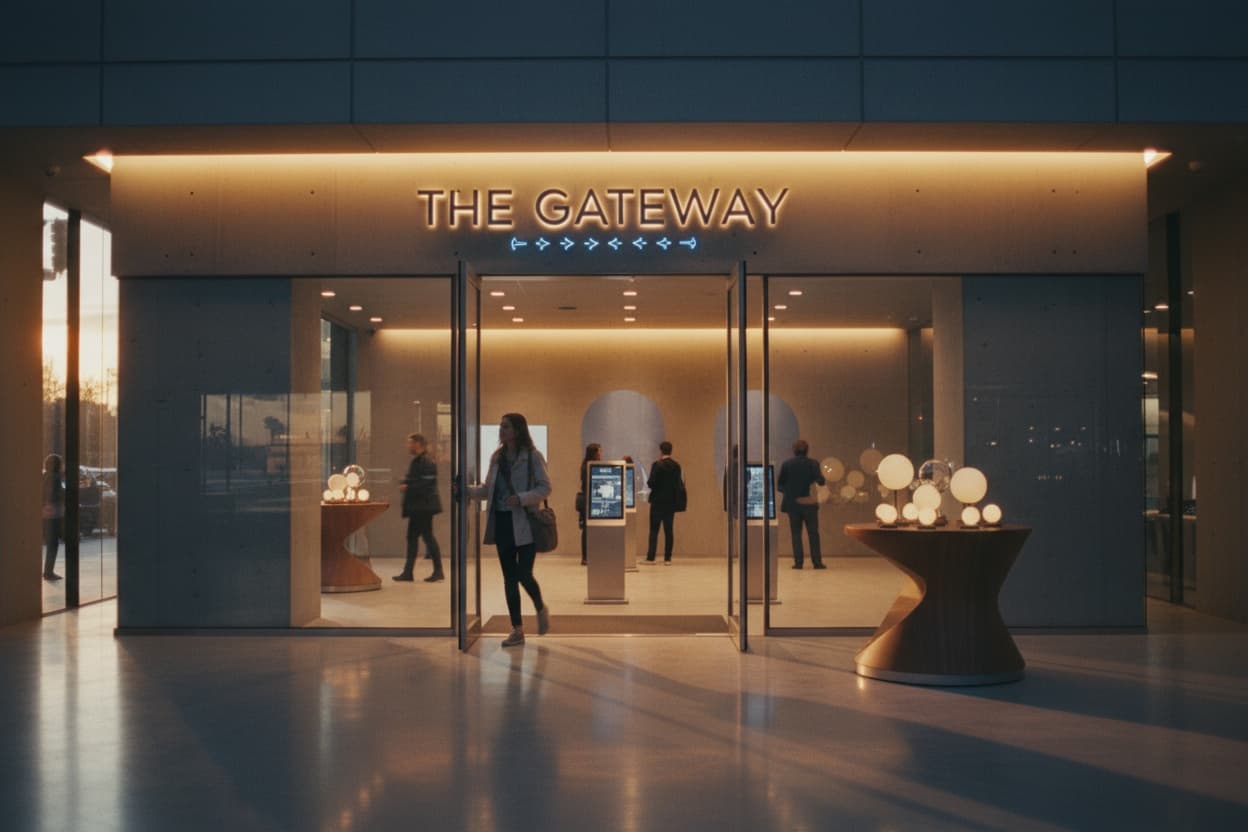
Small moments make a big difference. Greeting customers without pressuring them, offering quick guidance, and avoiding long waits all improve perceived value. Retail psychology shows that customers make return decisions within minutes, often before they buy anything. A well-structured flow increases the chance they'll visit again.
Strategic use of digital prompts can guide attention where it matters most. QR codes in retail let customers access information, save items, or unlock small rewards without requiring staff intervention. This creates a self-directed experience that feels modern and respectful of their time. The goal is making every visitor think "I want to come back here" before they even reach the register.
Personalization That Doesn't Feel Scripted
Personalization increases repeat rates, but only when it feels natural. Nobody wants to feel like they're being fed lines from a training manual. Simple touches like remembering categories a customer explored or suggesting complementary items can create a sense of relevance without triggering the "salesperson alarm."
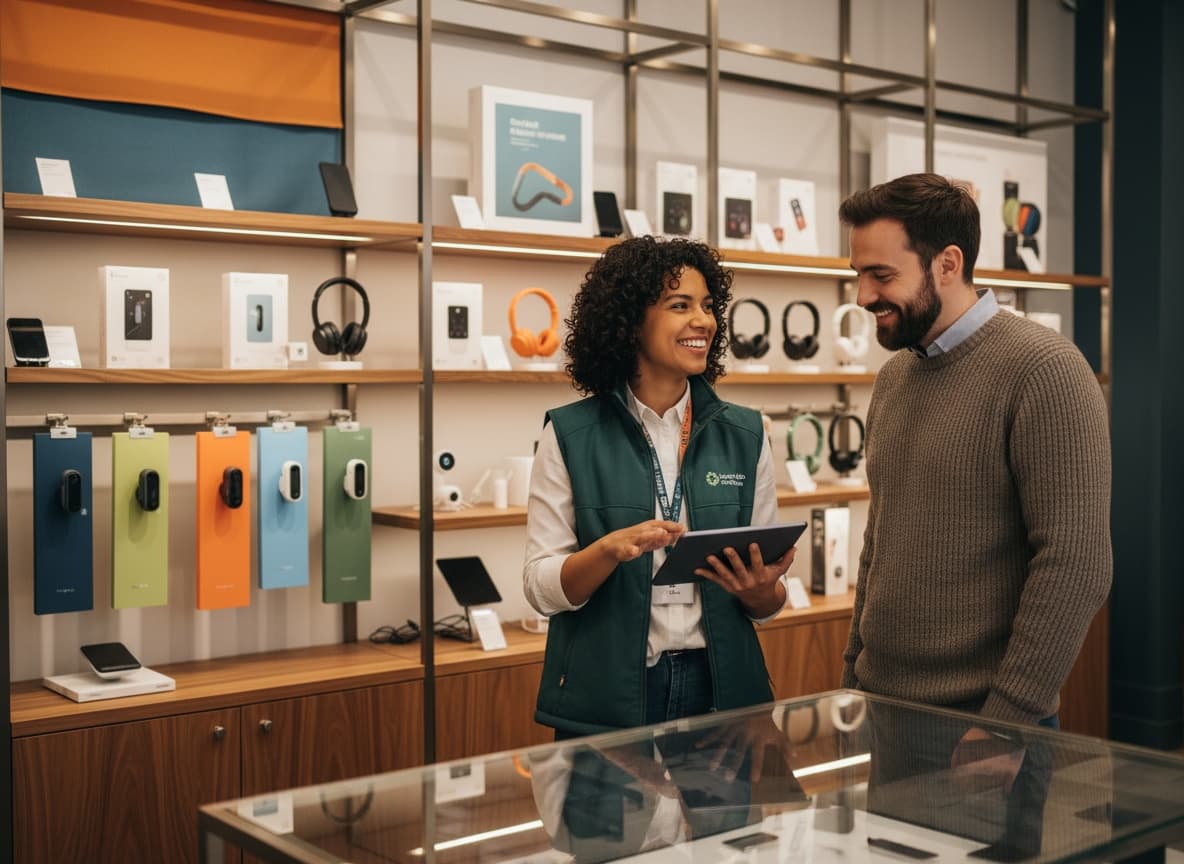
Digital touchpoints make it easier to capture useful intent signals without interrupting the shopping flow. When a customer scans a product for more information or checks availability in their size, that's data you can use to personalize their next interaction. Building great in-store experiences means combining human warmth with smart technology that enhances rather than replaces the personal touch.
What matters is relevance. When suggestions connect to what the customer actually wants, the experience feels crafted for them. When they feel seen without being pressured, they remember the interaction positively. That memory is what brings them back.
Make Every Interaction Count
Use smart touchpoints to personalize experiences and turn browsers into loyal customers.
Quick video. Earn your first reward.
Use Post-Visit Touchpoints to Create Memory Triggers
The moment after the visit is when most stores lose customers. A shopper may have enjoyed the experience, but daily life quickly distracts them. By tomorrow, they've forgotten your store's name. By next week, you're competing with every other option in their mental filing cabinet.
Effective brands prevent this by using light-touch reminders that reinforce memory. A follow-up message, a reward notification, or a small digital moment delivered at the right time helps revive the emotional imprint of the visit. This is where collecting customer data in physical stores pays off. You can't follow up with someone you can't reach.

The goal is to create positive recall. When customers receive a small reward or helpful reminder, they anchor the store in their mind. Brands that use retention signals consistently outperform competitors that rely only on transactional marketing. A small digital nudge can transform an average shopper into a recurring visitor.
Build a Rewards System That Doesn't Rely on Discounts
Customers don't return only for lower prices. They come back for recognition. The discount treadmill is exhausting and margin-destroying. Every time you train customers to wait for sales, you're teaching them your regular prices aren't worth paying.
Instead of running endless discount cycles, successful stores reward attention, participation, and exploration. Short interactive scans, small loyalty boosts, or early access to products create a sense of progress that's emotionally satisfying. Retail loyalty programs that convert focus on making customers feel like insiders, not just bargain hunters.
Value accumulation works even better when tied to simple micro-interactions. A quick scan or visit reward gives customers a reason to return and check what's new. This approach drives more sustainable repeat behavior while protecting your margins. The psychology is simple: people return to places where they feel they're building something, even if that something is just points toward a future reward.
Turn the Entire Journey Into a Loop of Value
The most effective strategy is creating a circular journey. The customer visits, receives value, remembers the experience, returns, and the loop repeats. This can be reinforced with physical prompts, personalized digital moments, and rewards that acknowledge engagement. Each touchpoint builds loyalty without feeling forced.
Think about it from the customer's perspective. They walk in, have a good experience, maybe scan something interesting. Later, they get a notification that they've earned something or that an item they liked is back in stock. They return, have another good experience, and the cycle continues. If you want to increase foot traffic to your retail store, building this loop is one of the most sustainable approaches.
When executed well, the journey becomes self-reinforcing. Walk-ins become regulars because the store repeatedly delivers relevance, recognition, and small moments of delight. The key is consistency. One great experience followed by silence doesn't build loyalty. A series of good experiences connected by thoughtful touchpoints does.
For retailers looking at the bigger picture, this connects to how attention itself is becoming a form of value exchange. Explore how customers and businesses alike can benefit from this shift in our guide on how to get paid for your attention.
Turn Store Visits Into Loyal Customers
Join retailers using VISU to boost foot traffic, collect first-party data, and drive repeat purchases with smart QR campaigns.
FAQ — Turning Walk-Ins Into Repeat Customers
What drives a first-time customer to return?
Positive emotional experience, ease of navigation, friendly service, and clear value prompts all contribute. Customers return when the visit feels purposeful and memorable. The decision to come back often happens within the first few minutes of entering a store, which is why first impressions matter so much.
How can stores personalize without being intrusive?
Use light digital interactions, small cues, and contextual suggestions. Personalization works when it's subtle, relevant, and aligned with customer interest. The key is offering value rather than pushing sales. When customers feel helped rather than targeted, they respond positively. Learn more about creating effective in-store experiences.
Do rewards always need to be discounts?
No. Rewarding attention, participation, and engagement is more sustainable than constant discounts. Micro-interactions like scans or visit credits create loyalty without margin pressure. Recognition, early access, and exclusive experiences often drive more loyalty than percentage-off deals. See our guide on retail loyalty programs that convert for more strategies.
How do post-visit touchpoints improve retention?
Gentle reminders, small rewards, and follow-up messages refresh brand memory. These triggers help revive the positive experience and increase the chance of a return visit. The key is timing and relevance. A well-timed reminder feels helpful; a poorly timed one feels like spam.
What's the best way to collect customer data for follow-up?
QR-based interactions, loyalty enrollment at checkout, and WiFi sign-ins are all effective methods. The key is offering clear value in exchange for contact information. Nobody wants to give their email for nothing. Our guide on collecting customer data in physical stores covers this in detail.
How long does it take to build a repeat customer base?
Results vary, but stores that implement systematic retention strategies typically see measurable improvements within 60 to 90 days. The key is consistency. Building habits takes time, both for your team and your customers. Start with one or two touchpoints and expand as you learn what works.
Can small businesses compete with big chains on customer experience?
Absolutely. Small businesses often have advantages in personalization, flexibility, and genuine human connection. While big chains have resources, they struggle to match the authenticity of a store where the owner knows your name. Technology like QR codes and simple loyalty programs level the playing field.