

The line at your food truck can be a badge of honor or a daily nightmare. When it gets long, you watch people walk away. The ones who stay complain. Money evaporates. And the worst part? Someone waits ten minutes, eats, pays, and vanishes forever because you did nothing to connect with them while they stood there scrolling their phone.
Here's what most vendors miss: that line is gold. Those people are already committed. Wallet out. Eyes on your menu. Open to suggestions. If you use those minutes right, the line stops being a bottleneck and becomes a machine for bigger tickets, loyalty signups, and repeat visits.
Get Paid to Scan QR Codes
Waiting in line? Make it worth your time. Scan, engage, earn real rewards.
Quick video. Earn your first reward.
Why Your Line Is Real Money, Not Just a Problem
When the line gets crazy, your instinct is to speed up. Cook faster. Take orders quicker. Push, push, push.
That helps. But it doesn't fix the real issue.
The customer feels stuck. Ignored. They're standing there with no information about how long this will take, nothing to look at, nothing to do. Any small frustration—a slow person ahead, a confusing menu, the sun in their eyes—and they bail. Walk over to the next vendor. You never see them again.
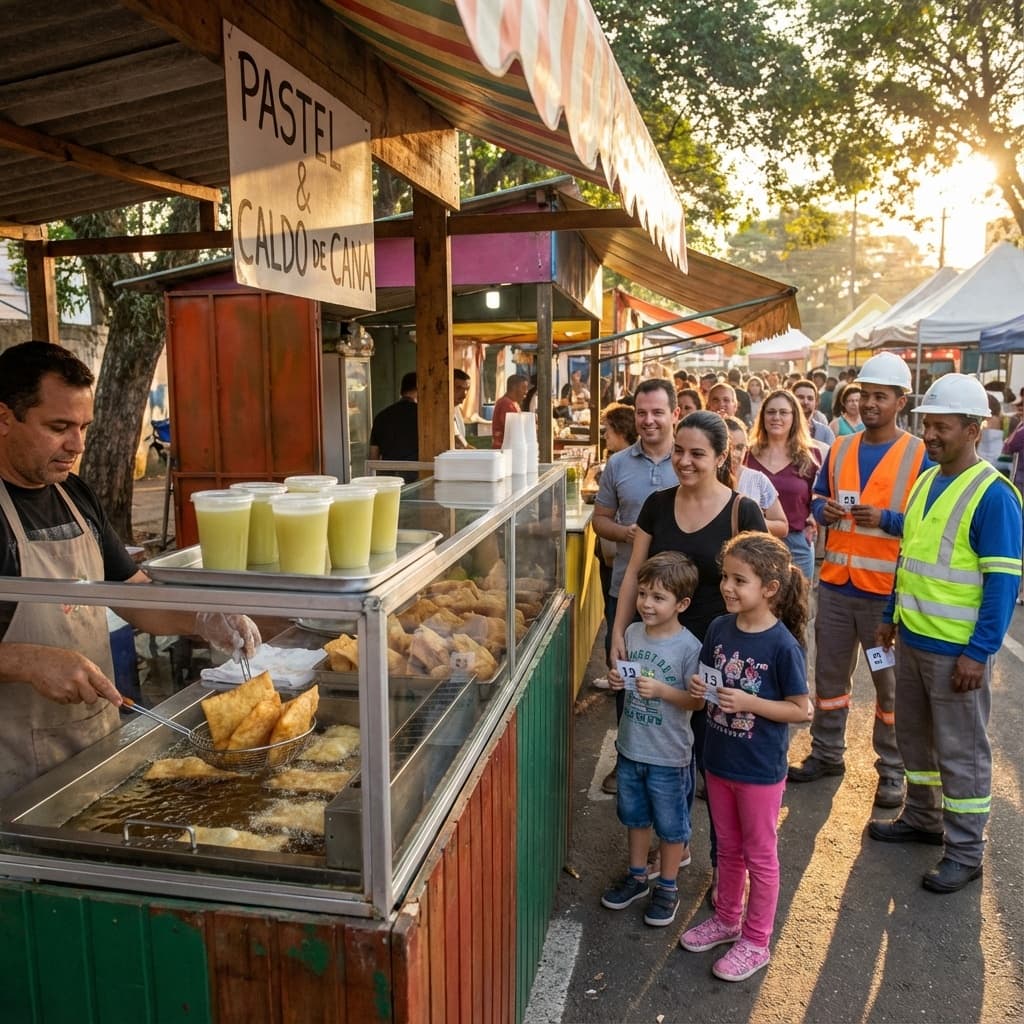
Now picture this instead. Customer joins the line and immediately sees a sign: "Average wait: 6 minutes." Next to it, a menu with combos highlighted. Below that, a QR code offering a free drink on their fifth visit. Suddenly they're not just waiting. They're engaged. Reading. Scanning. Deciding what to add to their order.
The line still exists. But it's working for you now.
This is where simple tools make a huge difference. A visible menu. A clear wait time estimate. A QR code that captures their contact. These things make waiting feel shorter and increase what people spend. Instead of ordering one taco and leaving, they grab the combo, add a drink, maybe a dessert. All because you gave them something to do while they waited.
The rule: Vendors who manage the line well win twice—once on experience, once on ticket size.
Understanding the economics of street food profit means understanding that every minute a customer spends waiting is either building loyalty or destroying it. There's no neutral.
Turn Attention Into Income
Brands pay for engagement. Get rewarded every time you scan and interact.
Quick video. Earn your first reward.
How to Turn Waiting Into an Experience
You don't need a fancy setup. What matters is clarity, rhythm, and small signals that tell customers they haven't been forgotten.
Start with your visual communication. Everyone in line should understand three things: what they can order, how long the wait is, and what's in it for them if they become a regular.
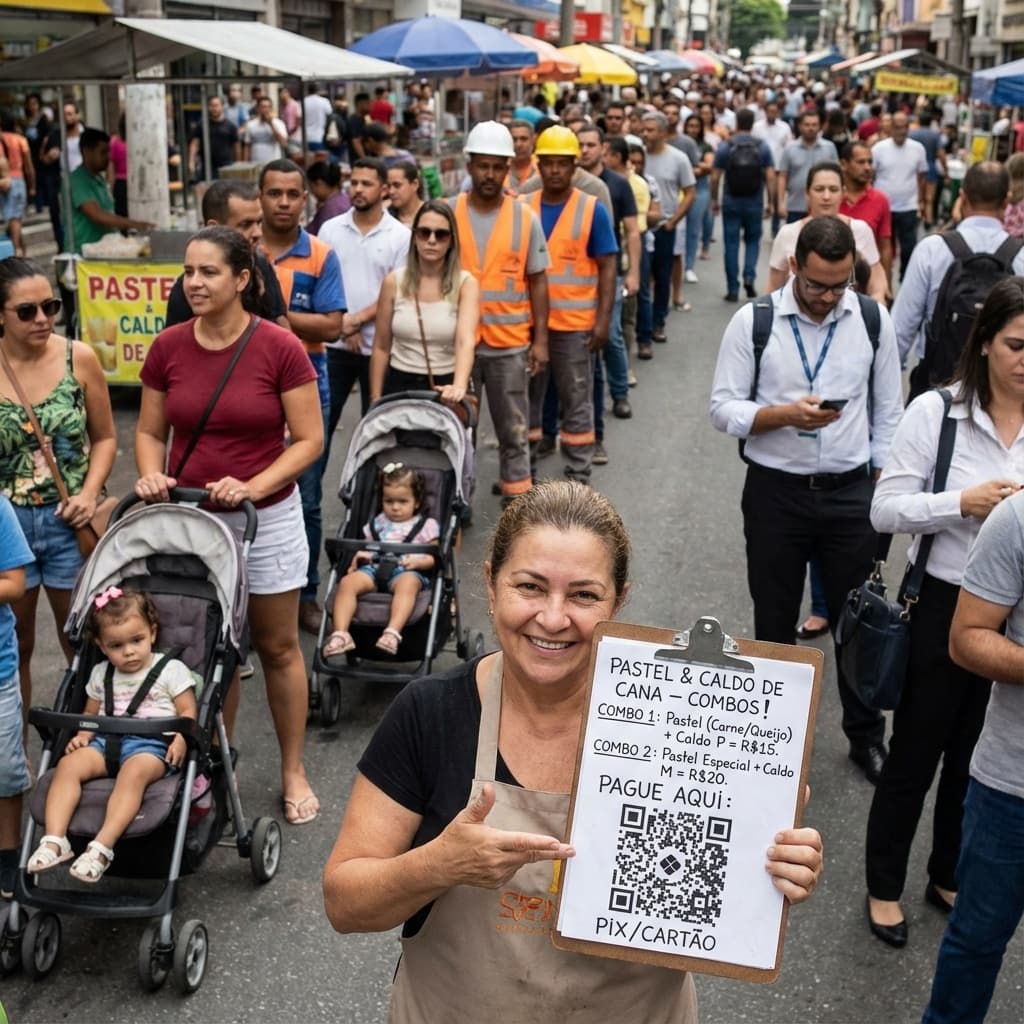
A good starting point: build a clear menu that highlights combos. Your main item plus a drink plus something small. Next to it, a QR code that takes them to the same menu on their phone—plus a field to leave their contact. That's how you start building customer loyalty while they're literally standing there with nothing else to do.
You can add simple loyalty triggers. Anyone who scans gets a point. Five visits, free add-on. Ten visits, free snack. Doesn't need to be complicated. Just needs to be clear that coming back pays off. The line is the perfect moment to explain this because they're already thinking about food and making decisions.
Service matters too. If you have help, put someone in the line. Not taking orders—just answering questions, pointing out combos, reminding people about the QR code. This reduces pressure at the counter and shows you care. People notice.
A Practical Step-by-Step to Make More Money
You don't need to redesign your whole operation. Focus on small changes you can implement this week.
Start by walking the customer journey yourself. Where do they enter the line? What do they see first? What do they stare at while waiting? Each of those moments can carry a message, an offer, or an invitation to sign up.
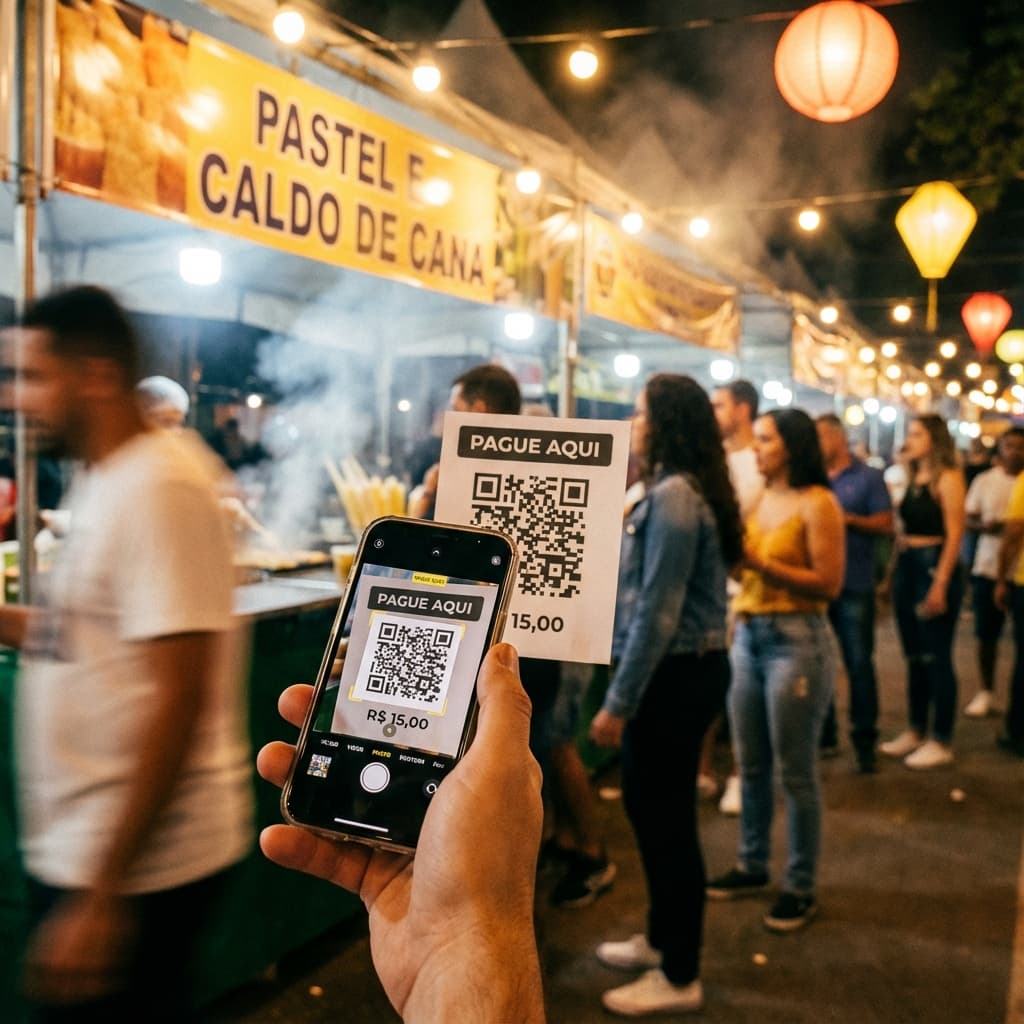
Here's one possible flow. At the entrance, a sign shows average wait time and highlights your best combo. Middle of the line, another sign with a QR code takes people to your menu and a quick form where they leave their contact for a small perk. Near the counter, a final sign reinforces the deal of the day and reminds people who scanned that they're earning loyalty points.
Want to get creative? Reserve part of your menu for line-only items. A combo that's only available if you scan the QR code and order through it. This lets you test new combinations, measure results, and create urgency. Works? Make it permanent. Doesn't? Adjust fast, no drama.
The vendors who figure out how to reduce perceived wait time while increasing engagement are the ones building real businesses. Everyone else is just hoping the line moves faster.
Start small: Test one thing per week. Measure results. Keep what works. Kill what doesn't.
How to Use Line Data to Sell More Every Month
Once you're capturing contacts and tracking behavior, everything changes.
Slow Tuesday? Send a flash deal to people who visited last week. Rain forecast? Message your regulars that you'll be at the covered spot. Big event coming up? Let your list know you'll be there.
You stop relying on foot traffic and start creating your own demand.
A powerful move is segmenting your list. Morning people get morning offers. Heavy combo buyers get combo deals. One-item-only folks get upsell nudges. You're not spamming everyone with the same message. You're using micro rewards and targeted communication to bring the right people back at the right time.
Over time, your line becomes a dashboard. If it disappears during a slot that used to be packed, something changed. If people scan but don't return, maybe your loyalty offer isn't compelling enough. If event lines are too long, maybe you need a simplified menu to increase speed.
The line tells you everything. You just have to pay attention. And when you do, you realize that getting paid for your attention to these details is what separates struggling vendors from thriving ones.
Turn Every Customer Into a Regular
Join food trucks using VISU to build loyalty, capture leads, and increase sales with smart QR campaigns.
FAQ — Turning Your Food Truck Line Into Profit
What should I do when the line is long and customers start complaining?
Make wait time visible. Keep the line organized. Use signs with menus and combos. This reduces anxiety and shows you're in control. Customers complain less when they know what's happening.
Do I need to invest a lot to improve the line experience?
No. Well-designed signs, a clear menu, and a strategic QR code already change everything. You can upgrade later with more complete solutions, but the basics work.
How do I start building loyalty while customers wait?
Create a simple QR-based signup that offers real value—points toward a free item, a discount on their next visit, early access to your location schedule. Make it fast and friction-free.
How can I tell if my line is making money or losing it?
Track three things: average ticket size, number of walkways (people who leave before ordering), and repeat visits from registered customers. If the line grows but profit doesn't, your line strategy needs work.
Is a long line always a good sign?
Not always. A long line with lots of people walking away means problems—in operations, communication, or both. The ideal is a steady line that flows, with well-informed customers who stay until they order.
What's the best moment to capture customer contacts?
Right after they order, while they're waiting for food. They're standing there with nothing to do, phone in hand, already committed to the purchase. That's your window.