

The lunch rush ends. You made decent money. But tomorrow you start from zero again. New crowd, new faces, same hustle. Meanwhile, the taco truck down the street has regulars who show up every Tuesday like clockwork. They don't even look at the menu anymore. They just order "the usual."
That's the difference between selling food and building a business. One depends on luck and location. The other depends on relationships. And here's the thing: loyalty isn't reserved for fancy restaurants or gourmet food trucks. A hot dog cart can build just as much loyalty as a $200k food truck. The format doesn't matter. The system does.
Get Paid to Scan QR Codes
Loyalty programs reward businesses. Now get rewarded yourself—scan, engage, earn.
Quick video. Earn your first reward.
Why Most Street Vendors Never Build Loyalty
It's not that they don't want repeat customers. Everyone wants repeat customers. The problem is the street food model itself works against you.
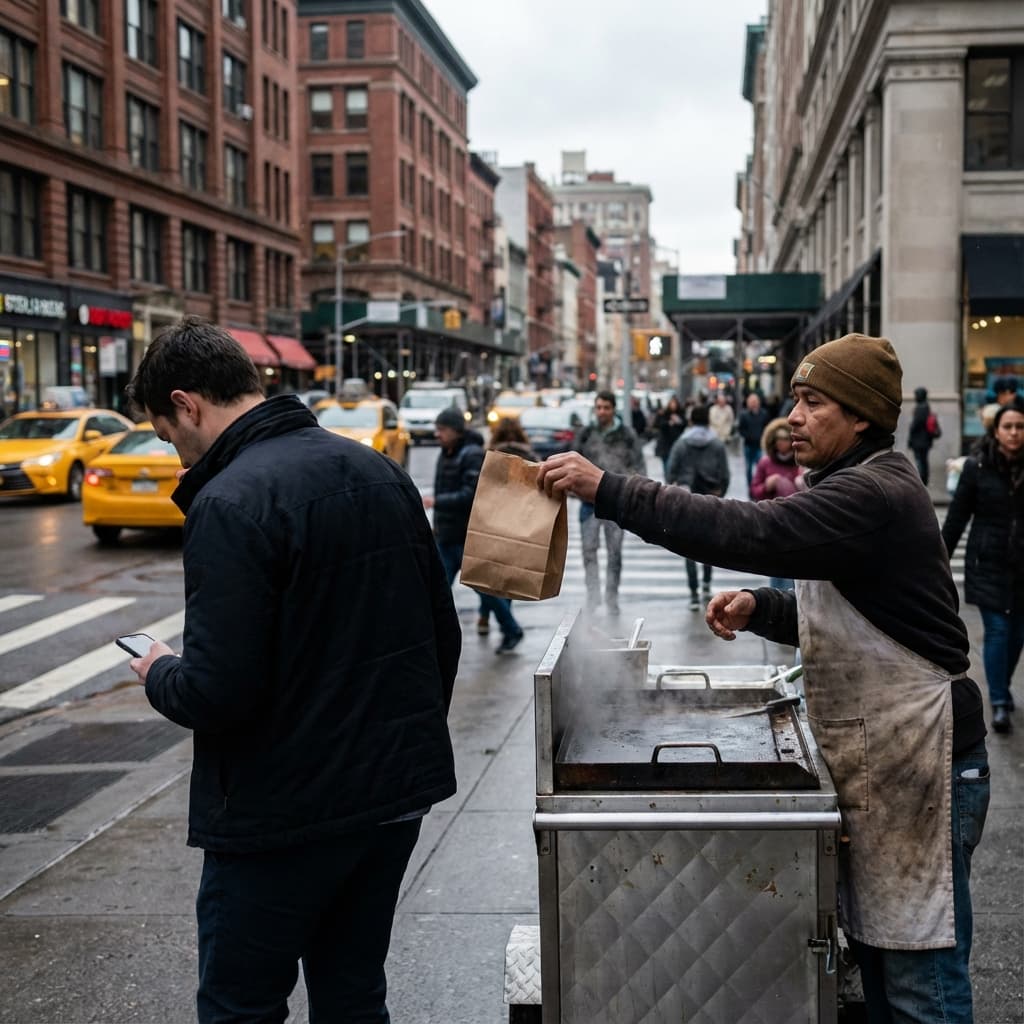
You serve someone. They pay. They leave. No email, no phone number, no way to reach them. Even if they loved your food, life gets busy. They forget where you park. They don't check your Instagram. A week later, they're eating somewhere else not because your food was bad, but because someone else was more convenient.
Restaurants have an advantage here. Customers come to them. They can build reservation lists, email databases, loyalty programs tied to credit cards. Street vendors have none of that infrastructure. So most just accept that every day is a fresh start.
But it doesn't have to be that way. Understanding the real economics of street food profit means understanding that customer retention is where the real money is.
The Loyalty Gap Between Cheap and Gourmet Is a Myth
There's a belief that loyalty only works for premium food. That people won't bother signing up for rewards at a hot dog cart. That only gourmet customers care about coming back.
This is completely wrong.
Vendors selling açaí, churros, and street snacks build some of the strongest loyalty because their customers buy frequently. A $5 purchase three times a week beats a $20 purchase once a month. Frequency is the foundation of loyalty.
Reality check: The guy who buys a hot dog every Tuesday for a year is worth more than the foodie who visits your gourmet truck once and posts about it on Instagram.
What matters isn't price point. It's whether you give people a reason to come back and a way to remember you exist.
Forget Punch Cards. They Don't Work Anymore.
The paper punch card was a good idea 20 years ago. Buy 10, get one free. Simple. But here's why it fails now.
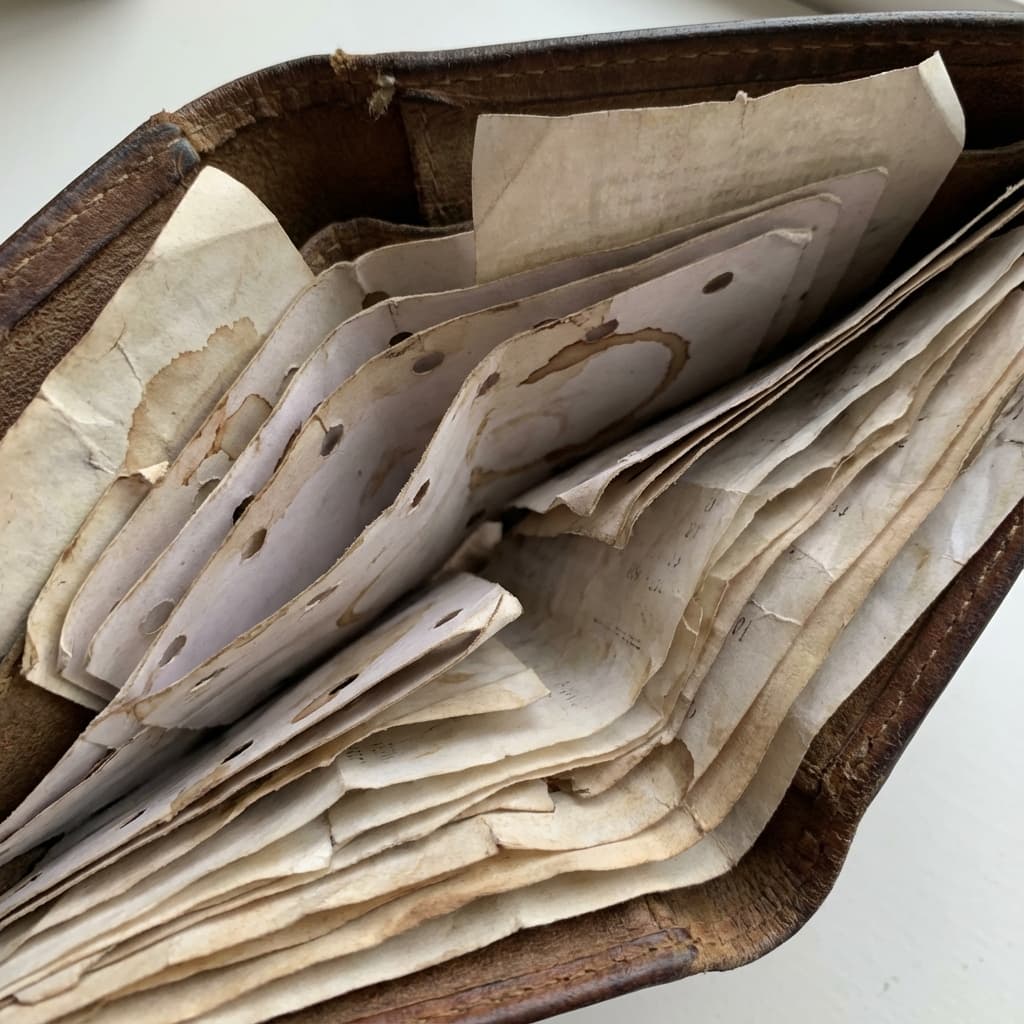
Customers lose them. They forget them at home. They go through the wash. By the time they're close to a free item, the card is gone. You gave away margin for nothing.
Worse, you learned nothing. You don't know who your best customers are. You can't reach them when you change locations. You can't thank them on their birthday. You can't tell them about your new menu item.
Digital loyalty solves every one of these problems. The customer scans a QR code once. From then on, their phone is their punch card. They can't lose it. You can see their history. You can reach them anytime.
Turn Attention Into Income
Brands pay for engagement. Get rewarded every time you scan and interact.
Quick video. Earn your first reward.
The 30-Second Loyalty System
Here's what actually works for street food. It needs to be fast because you have a line. It needs to be simple because customers won't download apps. And it needs to give immediate value so they bother doing it.
A QR code on your counter or packaging. Customer scans it while waiting for their order. They enter their phone number or email. They instantly get points toward a free item or a small discount on their next visit.
Total time: 30 seconds. No app download. No account creation. No friction.
Now you have their contact. Next time you're in their neighborhood, you can let them know. Next time it rains and business is slow, you can send a flash discount. Next time they haven't visited in a month, you can remind them you exist. Understanding gamification in marketing helps you design rewards that actually motivate repeat visits.
Turn Your Line Into a Loyalty Machine
When you have a line, you have something valuable: captive attention. People are standing there, waiting, probably on their phones. This is the perfect moment to build your customer base.
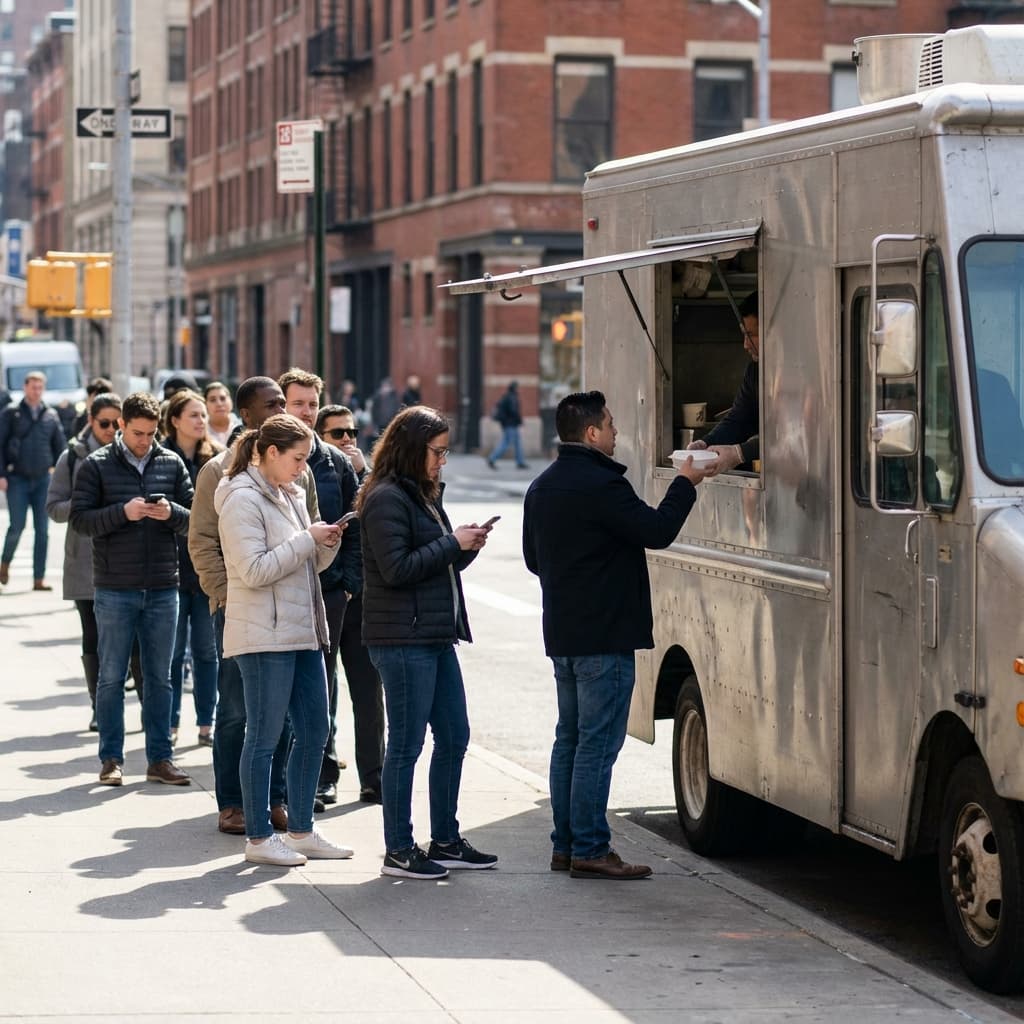
A long line doesn't have to be a problem. It can be an opportunity. While people wait, they can scan your code, join your list, and start earning rewards before they even get their food.
Some vendors put QR codes on signs in the waiting area. Others print them on the back of receipts. The best ones mention it out loud: "Scan the code while you wait and get a free drink on your next visit."
By the time rush hour ends, you haven't just made sales. You've built an asset you can use tomorrow, next week, next month. And when you're ready to grow, attracting new customers becomes easier when you're not starting from zero.
Loyalty Is Not About Discounts. It's About Recognition.
The cheapest form of loyalty is recognition. Knowing someone's name. Remembering their order. Saying "good to see you again." These cost nothing and create more loyalty than any punch card.
But you can't recognize someone if you don't know who they are. And you can't know who they are if you're not tracking visits.
A simple digital system tells you when a customer visits for the 5th time, the 10th time, the 20th time. It tells you who your VIPs are. It lets you treat them differently, not because you're giving them discounts, but because you're acknowledging their loyalty.
When a regular customer shows up and you say "Hey, number 15 already! Let me throw in something extra," you've created a moment they'll remember and tell others about. That's loyalty you can't buy.
At the end of the day, this is all about getting paid for your attention to what matters most: turning one-time buyers into regulars who keep your business alive rain or shine.
Turn Every Customer Into a Regular
Join food trucks using VISU to build loyalty, capture leads, and increase sales with smart QR campaigns.
FAQ — Street Food Customer Loyalty
Do loyalty programs work for cheap street food?
Yes, often better than for expensive food. Customers who buy frequently, even at low price points, are ideal for loyalty programs. A $3 coffee three times a week creates more loyalty opportunity than a $30 meal once a month.
What's the best loyalty system for food trucks?
QR-based digital systems work best because they require no app download, capture customer data, and allow you to communicate directly. Paper punch cards lose effectiveness because customers lose them and you learn nothing about your buyers.
How do I get customers to sign up for loyalty?
Make it fast and give immediate value. A 30-second signup that gives instant points or a small discount converts well. The best moment is while they wait for their order when they have nothing else to do.
Should I give discounts to build loyalty?
Discounts help but recognition matters more. Knowing a customer's name, remembering their order, and acknowledging milestones creates stronger loyalty than percentage off. Combine small rewards with personal recognition for best results.
How often should I communicate with loyalty members?
Only when you have something valuable to say. Location updates, new menu items, flash deals on slow days, and milestone acknowledgments work well. Avoid spamming or customers will tune you out.
Can I build loyalty without an app?
Absolutely. QR-based systems work through the browser—no app download required. Customers scan, register with their phone number or email, and you can reach them anytime. It's actually better because it removes the friction of app installation.