

QR codes in education are transforming classrooms into more interactive, accessible, and connected spaces. By bridging physical materials with digital resources, this simple and affordable technology creates engagement opportunities for both teachers and students.
More than a trend, using QR codes in education has become an ally in democratizing knowledge and driving pedagogical innovation.
Classroom Engagement: QR Codes as a Digital Bridge
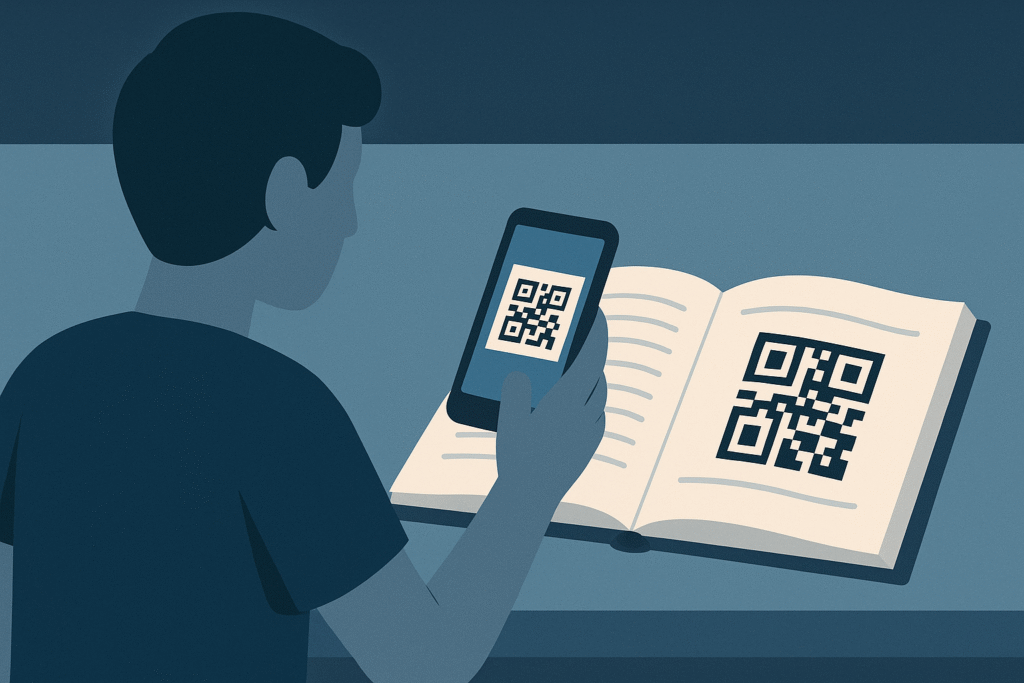
In a scenario of hybrid teaching and active learning, integrating digital resources is essential. QR codes in education offer a quick bridge between books, handouts, or printed slides and online multimedia content.
Consider some practical uses. Enriched teaching materials allow a history book to link to documentaries while a science handout directs to 3D simulations. Instant access means students do not need to type long URLs or depend on complicated platforms. Multimodal learning through videos, podcasts, quizzes, and infographics naturally complements traditional content.
According to EdTech Magazine, teachers who use QR codes in the classroom can increase student participation and diversify teaching methods. The publication highlights practical uses such as quick assessments, collaborative activities, and access to supplementary material.
Benefits: Why Invest in QR Codes in Education
Adopting QR codes in education generates direct advantages for both educators and students.
Practicality and Time Efficiency
Significantly reduces time spent sharing links and instructions in class, allowing more focus on essential content.
Expanded Digital Inclusion
QR codes can lead to translated versions, audio descriptions, or sign language content, ensuring real accessibility.
Personalized Learning
Allows students to access resources at different difficulty levels, respecting individual learning paces.
School Sustainability
Reduces the need for extra prints and physical materials, aligning with ecological practices.
Worth noting that with the growing adoption of smartphones, students are already accustomed to interacting with QR codes in other contexts, facilitating natural acceptance in the school environment.
Real Cases: QR Codes in Education in Practice
Teaching with QR codes is already a reality in schools, universities, and non-formal education environments.
Public Schools and Libraries
Posters with QR codes in school libraries offer free access to e-books and audiobooks, expanding collections without additional costs.
Universities and Laboratories
QR codes in laboratories provide digital manuals and safety videos for equipment, ensuring standardized procedures.
Online and Hybrid Courses
Physical handouts with QR codes lead to video lessons and supplementary materials, creating a continuous experience between in-person and digital.
Museums and Field Trips
QR codes in exhibitions allow students to explore multimedia guides in real time, making learning immersive.
These examples demonstrate how QR codes in education expand the reach of educational content, breaking barriers of time and space.
Dynamic Activities: Gamification and Classroom Interaction
When implementing QR codes, teachers can create substantially more immersive and engaging experiences.
Interactive Exercises and Quizzes
Students scan the code and access online quizzes with instant feedback, making assessment lighter and more interactive.
Immediate Feedback on Tests
QR codes in assessments allow students to see results and explanations in real time, facilitating corrective learning.
Collaborative Group Projects
A QR code can direct everyone to a shared folder or collaborative digital board, centralizing collective production.
These practices increase engagement and favor active methodologies like the flipped classroom.
Bring Interactive QR Codes to Your School or Course
With VISU, you transform printed materials into trackable digital experiences, perfect for schools, free courses, and EdTechs.
Hybrid Learning: QR Codes as a Link Between In-Person and Digital
Teaching with QR codes significantly strengthens hybrid learning, organically uniting in-person and online education.
Integration with Digital Platforms
QR codes naturally lead to environments like Google Classroom or Moodle, creating continuity between physical and virtual spaces.
Enhanced Active Methodologies
In flipped classrooms, students access content before class via QR code and arrive prepared for in-depth discussions.
Autonomous and Continuous Learning
Students can review materials outside the classroom, maintaining permanent contact with content and developing essential protagonism.
This model favors autonomy and responsibility for one's own learning, fundamental characteristics for 21st-century education.
Challenges: What to Consider When Using QR Codes in Education
Despite the evident advantages, there are important challenges to consider.
Connectivity and Infrastructure
Not all school environments have stable or reliable Wi-Fi, creating access barriers.
Real Digital Inclusion
Students without their own smartphones may be excluded, widening educational inequalities if there is no sharing policy.
Security and Reliability
It is essential that QR code links are verified and trustworthy, avoiding cyber risks and phishing.
These points reinforce that technology should be used as solid pedagogical support, never as a substitute for good educational practices.
Future: Interactive and Immersive Education
Digitalization of education is a global priority. See the UNESCO 2024 report on digital transformation in education, which presents six fundamental pillars for an inclusive, people-centered model.
Among emerging trends are several exciting developments.
Integrated Augmented Reality
QR codes that unlock immersive experiences and 3D visualizations, making learning multisensory.
Digital Certificates and Diplomas
Diplomas authenticated via QR code, creating secure and globally shareable verification.
Advanced Gamification
QR codes in activities that stimulate motivation and healthy competition, increasing retention.
Global Open Education
Free educational content accessible globally via scanning, democratizing knowledge without borders.
This evolution positions QR codes as key elements in the democratization of knowledge.
Final Reflection
QR codes in education are not just an isolated technological resource. They are a means of bringing students and teachers closer to more inclusive, dynamic, and connected experiences. By uniting physical materials with digital content, they become a real catalyst for educational transformation.
At VISU, we believe every scan can open a new window of learning. That is why we help institutions integrate QR codes with creative solutions, transforming each interaction into a genuine opportunity for knowledge.