

Transform QR codes into a revenue and engagement channel
Start FreeA QR code platform is no longer just a quick link generator. Today it represents a complete ecosystem of engagement, rewards, and data intelligence that connects the physical to the digital in a natural and strategic way. Whether on smart packaging, contactless payments, or interactive campaigns, the right platform transforms every interaction into real value for brands and consumers.
We are talking about a fundamental shift in how companies relate to their customers. It is no longer about simply driving traffic. It is about creating value ecosystems that reward engagement and generate deep insights into consumer behavior.
What Is a QR Code Platform and Why It Matters
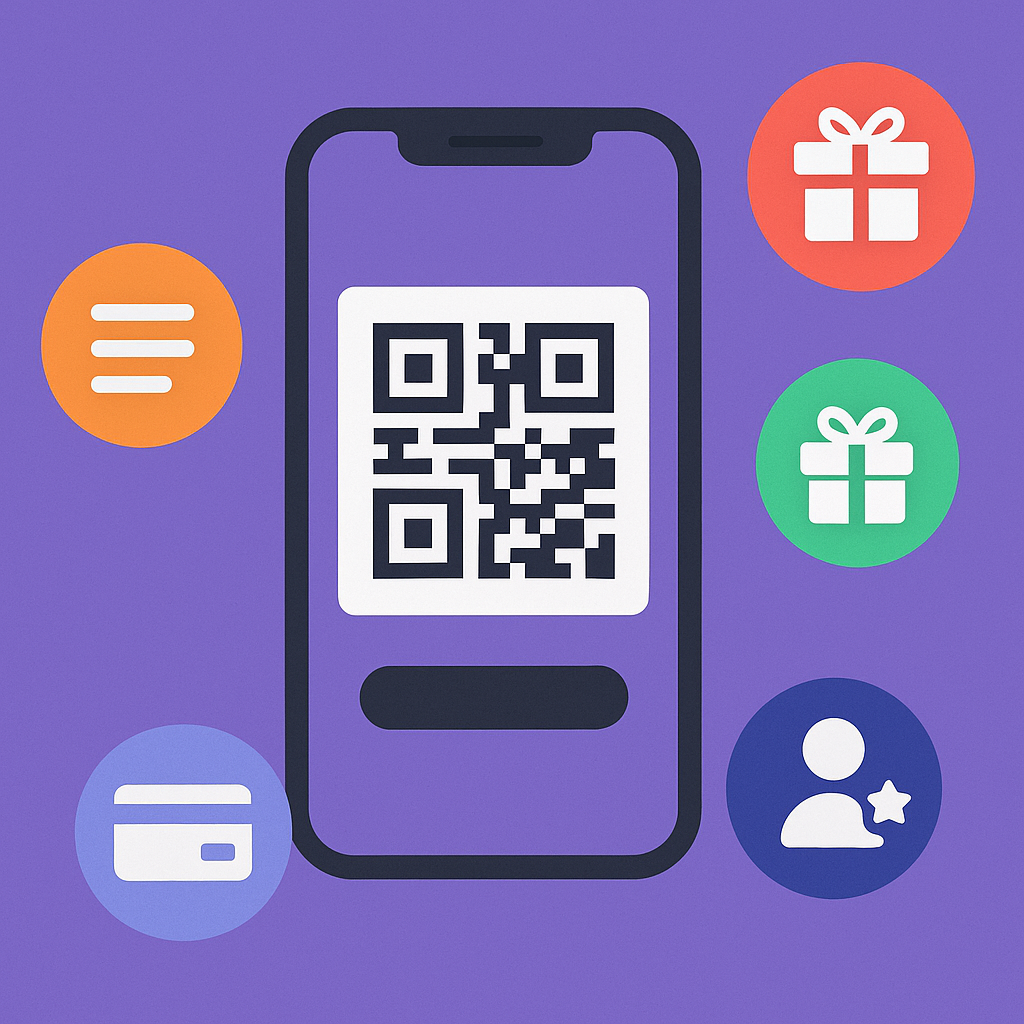
For many years, the QR code was seen as just a visual shortcut: a black and white square that took users to a website or form. However, when centralized in a QR code platform, this same resource expands into something much larger.
A platform offers centralized management of thousands of QR codes across different campaigns, all with unified control. It enables dynamic QR codes that can be edited without changing printed artwork or redirecting links. It delivers real-time analytics showing who scans, where they scan, when they scan, and even which device they use. It enables monetization and rewards that create value with every interaction and encourage viral sharing. It integrates with CRM systems, payments, and loyalty programs for a complete ecosystem.
The difference is clear: a common generator only delivers the code. A platform transforms that code into a permanent marketing asset and continuous relationship.
Think of the difference between having a tool and having a system. A generator is an isolated tool. A platform is a system that connects all the pieces of your digital marketing.
QR Code Platform: The Bridge Between Physical and Digital
In a world saturated with digital ads, where consumers are bombarded with messages on social media and emails, the QR code platform emerges as the most direct and least intrusive bridge between offline and online.
The QR code does not ask for permission like a traditional ad. It does not interrupt. The user chooses to scan, creating a moment of genuine opt-in, the most valuable type of engagement.
In Retail and Smart Packaging
Food, beverage, and cosmetics brands already use packaging with QR codes to unlock exclusive experiences: behind-the-scenes videos, usage tips, sustainability certifications, personalized recipes. This turns the product itself into a direct communication channel with the consumer.
A beverage brand can use the packaging to connect consumers to a rewards program. Each scan generates points. Every 10 points, a discount. This transforms the packaging into an active retention resource.
Major retailers already calculate that each package with a smart QR code increases the probability of repurchase by 25 to 35 percent. It is not coincidence, it is engagement strategy working.
In Events and Live Experiences
Shows, festivals, and trade fairs transform every banner, badge, and collateral material into an interactive QR code. The audience accesses event maps, exclusive promotions, activates rewards, or even makes transactions just by pointing their phone camera, without needing downloads or complicated registrations.
During events, a QR code can offer digital check-in, instant sweepstakes, VIP content access, or even on-site consumption credits. The experience becomes memorable, and visitor behavior data is captured in real time.
In Payments and Financial Services
In Asia, QR codes have replaced cards in millions of daily transactions. WeChat Pay and Alipay created ecosystems where you just scan to pay, transfer money, access credit, or even request loans. This movement is arriving strongly in Brazil and Latin America, transforming how we buy and transact.
In Brazil, fintech companies like Nubank and Mercado Pago already integrate dynamic QR codes into their payment systems. The convenience is undeniable: no card machine, no wires, no complications.
How a QR Code Platform Transforms Business
The advantages of a platform go far beyond convenience. They are directly linked to growth strategy, retention, and profitability.
Layered Engagement and Rewards
Combined with loyalty programs, the platform generates immediate and measurable value: the customer scans a code in a store and receives points, discounts, or layered rewards. The more they scan, the more value they accumulate. The more value they accumulate, the more frequently they return.
It is a virtuous cycle. The customer is not just buying. They are participating in a program where every action is rewarded. Innovative companies transform each interaction into digital currency that generates real engagement and increases average ticket.
Deep Analytics and Behavioral Insights
What was previously invisible, like how many people actually saw a street poster or how many stopped to read, is now fully measurable. The QR code platform provides structured data on geographic location, scan time, interaction frequency, device type, and even user demographics.
With this intelligence, brands optimize campaigns with surgical precision. Posters with few scans are relocated or redesigned. Peak hours are identified and exploited. Target audiences are refined in real time.
These insights are pure gold for any data-driven marketing strategy.
Cost Reduction vs Paid Media
According to the Digital 2025: Global Advertising Trends from DataReportal, while digital ads become increasingly expensive and cost per click continues to rise, QR codes offer low-cost owned media with measurable returns.
A poster, a package, or a flyer with a QR code continues delivering value for months, without recurring cost per click, without impression limits by budget. Once created and printed, the code works 24 hours a day, 7 days a week.
Companies with an advanced digital core can generate up to 60 percent more revenue and 40 percent more profit, as revealed by New Research from Accenture. This reinforces that digital transformation through tools like QR code platforms is not optional. It is strategic and essential for sustainable growth.
See How This Works in Your Industry
Restaurants, retail, events, and creators can use QR code platforms to increase average ticket, recurrence, and engagement in just a few days.
QR Code Platform as Marketing Strategy
Beyond technical function, the QR code becomes a central piece of interactive branding that connects visual identity with digital experience.
Branding on Packaging
Instead of taking up space with long texts that nobody reads, brands transform packaging with QR codes into an entry point for infinite content: exclusive recipes, behind-the-scenes videos, detailed benefits, sustainability stories, reviews from other customers.
The packaging stops being just a container. It becomes a gateway to long-term relationship with the consumer.
Simplified Conversion Funnel
A consumer sees a movie theater poster, scans the code, and in seconds, literally 3 to 5 seconds, is buying the ticket. No need to search for the website, no need to type, no need to fill out forms. The platform reduces critical funnel steps and significantly increases conversion rate.
Companies that implement this type of flow report increases of 25 to 40 percent in conversion compared to traditional flows. The ROI is immediate.
Network Loyalty and Viral Marketing
With QR codes linked to tangible rewards, each customer becomes a value multiplier. When sharing the code with a friend, they are not just doing a favor. They are receiving additional bonuses, credits, or extra points.
It is a viral marketing strategy based on trust and real value, not hype. It works because it offers genuine incentive for sharing.
Inspiring Success Cases
Coca-Cola launched global campaigns with QR codes that led to exclusive digital experiences like augmented reality, personalized content, and regional sweepstakes, strengthening their branding among young people and generating hundreds of millions of interactions in just a few months.
Restaurants in Brazil adopted QR codes for digital menus during the pandemic as a safety measure. But they evolved into cashback programs, interactive promotions, and digital loyalty programs that now increase traffic and customer frequency by 30 to 50 percent.
Fashion brands use QR codes in storefronts to offer digital try-on with augmented reality. Customers can visualize how the clothes look on them before entering the store.
Innovative brands are creating QR code platforms that distribute value across networks, transforming each scan into revenue and engagement for everyone involved, including consumers, brands, retailers, and partners. It is an ecosystem where everyone wins.
Hidden Benefits of a QR Code Platform
Sustainability and Waste Reduction
Drastically reduces the need for printed materials, allowing information updates via dynamic QR without reprinting thousands of packages, posters, or marketing materials. For a brand that distributes products at scale, this means significant savings in paper, ink, and logistics.
It is an important step for brands committed to the environment and aligned with ESG trends.
Genuine Digital Inclusion
QR codes are universal: all you need is a phone camera, something that 99 percent of people have. This allows even less digitalized audiences, less familiar with technology, or audiences in remote regions to access content and benefits.
It is genuine inclusion, not just a symbolic gesture.
Security and Fraud Protection
Serious platforms offer granular access control, code expiration with defined date and time, protection against cloning, and tracking of unauthorized access. This ensures that campaigns are not used improperly or fraudulently.
Future Trends for QR Code Platforms
Integration with Artificial Intelligence
Future platforms will use AI to predict consumer behavior based on scan patterns, automatically suggest campaign optimizations, and even dynamically create personalized content.
Native Augmented Reality
QR codes that trigger AR experiences without additional apps, enabling virtual try-on, 3D product visualization, and immersive interactions directly from the phone browser.
Blockchain and Authentication
QR codes containing blockchain data for product authentication, origin verification, and supply chain traceability, especially relevant for luxury products, food, and pharmaceuticals.
Final Reflection
In today's landscape, where attention is the most disputed and expensive asset, a QR code platform is not just technology. It is business strategy. It transforms every package, every poster, every everyday interaction into measurable and rewarding value.
More than a code, it is a communication, engagement, and revenue generation channel that connects brands to their consumers in a natural, secure, and genuinely valuable way.
The next phase of digital engagement is here. Brands that understand this win. The question is not whether your brand will use QR code platforms, but when, and your competitors are already moving.
If you want to understand how to build this ecosystem in practice, also see the complete guide on what is VISU Network.
Frequently Asked Questions About QR Code Platform
What is the difference between a QR code generator and a QR code platform?
A generator only creates the static code. A platform centralizes management, real-time analytics, monetization, rewards, and integration with CRM and payment systems.
Can I use QR codes on food packaging?
Yes, it is increasingly common and even recommended. They can bring complete nutritional information, origin traceability, direct engagement campaigns, reward programs, and even personalized recipes.
Does a QR code platform offer detailed analytics?
Yes. You can measure scans by exact geographic location, time, device, user demographics, and even behavior patterns over time.
Is it expensive to implement this type of platform?
No. The cost is proportional to usage volume and is usually much lower than traditional paid media campaigns. Many platforms use freemium or accessible SaaS models.
How many QR codes can I manage on a platform?
Enterprise platforms can manage thousands of codes simultaneously with full control, without performance degradation.
How does a QR code platform help with viral marketing?
By linking tangible rewards to sharing, each customer becomes a multiplier. Those who share receive bonuses, credits, or extra points, encouraging organic distribution.