

How to turn every shelf, receipt and package into an engagement point that rewards customers and generates data.
What used to be a static code on a menu or receipt has evolved into something far more powerful. In 2026, QR code gamification is reshaping how retailers connect with customers. Every scan becomes an interactive moment that rewards attention, builds loyalty and creates measurable revenue.
Traditional advertising keeps getting more expensive and less effective. People skip ads, block them, scroll past. The attention brands pay premium prices for lasts fractions of a second. QR gamification flips this dynamic by inviting customers to participate in an exchange where both sides benefit. For context on how this fits into broader strategy, check our gamification marketing guide.
This guide covers why it works, how to design campaigns customers actually engage with, and how to measure impact so you can scale what works.
Want to Skip Ahead?
Start building gamified QR campaigns with VISU.
Why QR Code Gamification Works
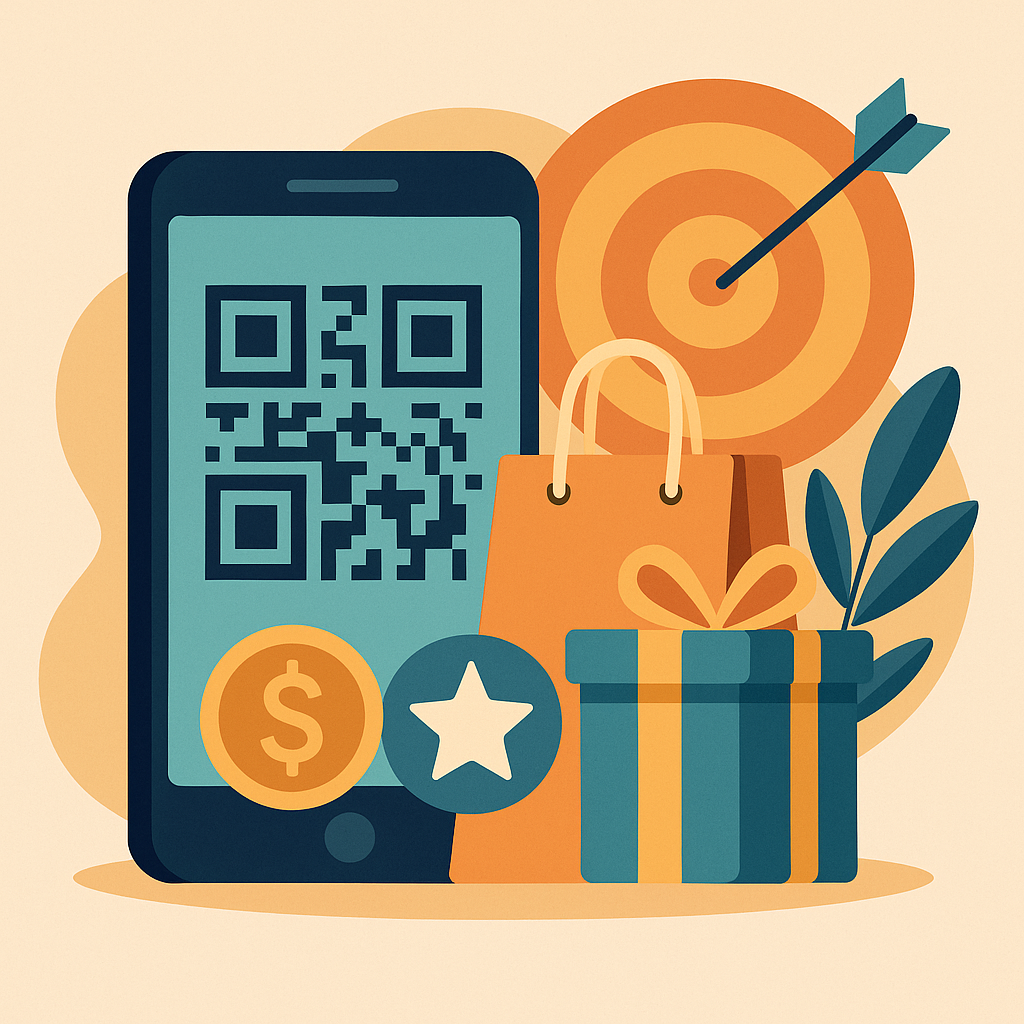
Traditional advertising faces a fundamental problem: people learned to ignore it. Digital ad spend keeps climbing while engagement rates keep falling. Customers skip, block, scroll past, tune out.
QR gamification inverts this. Instead of interrupting with messages nobody asked for, it invites participation in an exchange where both sides win. The customer chooses to scan. The brand earns genuine attention. The reward makes the interaction feel worthwhile rather than intrusive.
This matters because attention in physical retail is uniquely valuable. When someone's standing in your store looking at your product, they're already in buying mode. A well-designed gamification moment captures that attention and channels it toward action: learning more, earning a reward, joining loyalty, completing a purchase. For more on why these mechanics work, explore the psychology behind gamification.
The shift from interruption to invitation changes everything. Gamified QR codes don't just display information—they create moments customers want to repeat.
How QR Code Gamification Works
At its simplest: a scannable code on a physical surface plus a game-like digital experience that rewards the scan. The code can appear on shelves, packaging, receipts, posters, table tents, shopping bags—anywhere customers pause.
When they scan, instead of landing on a generic website, they enter an interactive experience. Prize wheel, digital scratch card, points collection, mini quiz, instant reward reveal. The key is something happens immediately. Value in seconds: discount, loyalty points, exclusive content, giveaway entry, digital token.
What makes this powerful is combining physical presence with digital tracking. Each scan creates a data point telling you exactly where, when and how often customers engage. Unlike passive signage, a gamified code generates real-time feedback about what's working. For technical foundations, see our QR code gamification strategic guide.
Mechanics range from simple to sophisticated. Basic: fixed discount for every scan. Advanced: points accumulating across visits, tier-based rewards, personalized offers based on scan history, connection to broader loyalty programs. The right complexity depends on your goals and how much you want to invest.
Practical Applications in Retail
QR gamification opens opportunities beyond simple promotions.
First, it transforms your store into a media channel. Every shelf, bag and receipt becomes a potential revenue point. Partner with brands to run sponsored missions where customers earn rewards for engaging with specific products. Instead of depending only on foot traffic for revenue, the store monetizes attention itself. This is core QR code marketing strategy.
Second, it creates loyalty mechanics that actually stick. Traditional punch cards get lost. App programs require downloads most skip. QR-based loyalty lives in the browser and works instantly. Scan, see progress, earn reward, return for more. Friction low enough that casual shoppers become regulars. Many retailers combine this with strategies to increase foot traffic.
Third, it generates first-party data with every interaction. Each scan reveals which products attract attention, which sections drive engagement, what times see most activity, which rewards motivate action. This feeds merchandising, marketing and operations with precision traditional analytics can't match.
Benefits for Everyone
For customers: The value exchange is clear and immediate. Instant rewards—discount, free item, exclusive content, prize entry—the moment they scan. No waiting, no complicated redemption, no fine print tricks. The experience feels engaging rather than passive. A spin wheel or scratch card creates excitement static promotions can't match. Customers appreciate fair exchange: they give attention, they get something back.
For brands: Attention is guaranteed. When someone scans, they're making an active choice to engage—fundamentally different from impressions flashing by in feeds. Engagement rates dramatically outperform standard digital ads because reward mechanics motivate participation. Campaigns segment by location, product, time or behavior. And the pricing model shifts: pay for captured attention rather than impressions that may never be seen.
For retailers: Every touchpoint generates revenue and data. Sponsored missions from brand partners create new income streams. Loyalty programs run without app downloads. Customer behavior becomes visible and actionable. The store transforms from passive space to active engagement engine.
See It in Action
Learn how retailers use VISU for gamified QR campaigns.
Implementation Guide
Success starts with clarity about what you want to achieve. For structured approach, review our gamification best practices.
Define your objective. Building loyalty and repeat visits? Increasing average transaction? Generating ad revenue from brand partners? Collecting data for personalization? Each goal shapes the mechanics you choose.
Select rewards that match your audience and margins. Percentage discounts, fixed coupons, loyalty points, cashback, free items, exclusive content, early access, prize entries. Valuable enough to motivate scans, sustainable enough to scale.
Design for mobile. Most scans happen on phones in stores with variable connectivity. Fast load times, simple interactions, immediate redemption. No app downloads or lengthy forms that kill momentum.
Create compelling placements. The code itself is just a square. What makes people scan is context. Clear headlines: "Scan for 10% Off" or "Win Free Coffee." Position where customers naturally pause: eye level on shelves, table tents, checkout, packaging.
Test before scaling. Limited rollout to validate mechanics, measure response, identify friction. Compare reward types, placements, creative treatments. Optimize with data before expanding everywhere.
Train staff. Employees who understand the campaign can prompt participation, answer questions, troubleshoot. Staff buy-in significantly increases scan rates.
Measuring Results
QR gamification generates rich data for continuous improvement. Focus on metrics connecting to objectives.
Scan volume: Overall reach, broken down by location, time, placement. A checkout code might get ten times the scans of one in back aisles.
Conversion rate: From scan to desired action. If goal is coupon redemption, what percentage actually use it? Low conversion suggests friction needing smoothing.
Repeat participation: Scanning once and forgetting, or returning to accumulate? High repeat rates indicate mechanics engaging enough to sustain behavior.
Revenue impact: Compare basket size, visit frequency, lifetime value between participants and non-participants. This attribution proves ROI.
A/B testing: Vary rewards, designs, placements, copy. Let data guide what to scale and cut. Platforms like VISU Ads make experimentation easy by updating destinations without reprinting.
Where This Is Going
AR integration is emerging—scans launching experiences where customers hunt virtual objects or see products come alive. AI personalization is becoming practical—systems analyzing history to serve individually tailored rewards. Real-time collective mechanics are possible—store-wide challenges where customers collaborate toward goals unlocking flash sales.
The broader shift is cultural. Customers expect value in exchange for attention. They don't accept one-way advertising that takes without giving. Brands designing reciprocal experiences build stronger relationships than those still pushing interruptive messages. The real opportunity is learning to get paid for attention instead of giving it away.
Every shelf, receipt and package in your store is a potential engagement point. QR code gamification turns latent potential into active connection, revenue and loyalty.
Turn Your Store Into a Game That Sells
Gamified QR campaigns that reward instantly, generate data and increase ticket.