

Here's a stat that should make every restaurant owner pause: around 70% of first-time diners never return. That means most of your busiest nights aren't building anything lasting.
The guests who filled your tables last weekend? Statistically, most of them are already gone for good.
The restaurants that break this pattern don't rely on luck. They build systems that capture guest data during the first visit, follow up with relevance, and create reasons to come back. According to Olo data from over 100 million guest records, 60% of restaurant revenue comes from repeat guests.
When you understand how to convert walk-ins into regulars, you're not just improving retention. You're building the economic engine that sustains your business.
If you want to get more customers for your restaurant while also keeping the ones you have, turning anonymous walk-ins into known, returning guests deserves a central role in your strategy.
Turn Every Visit Into a Relationship
Capture guest data, automate follow-ups, and build loyalty that lasts.
Quick video. Earn your first reward.
Why Walk-Ins Are Your Biggest Untapped Opportunity
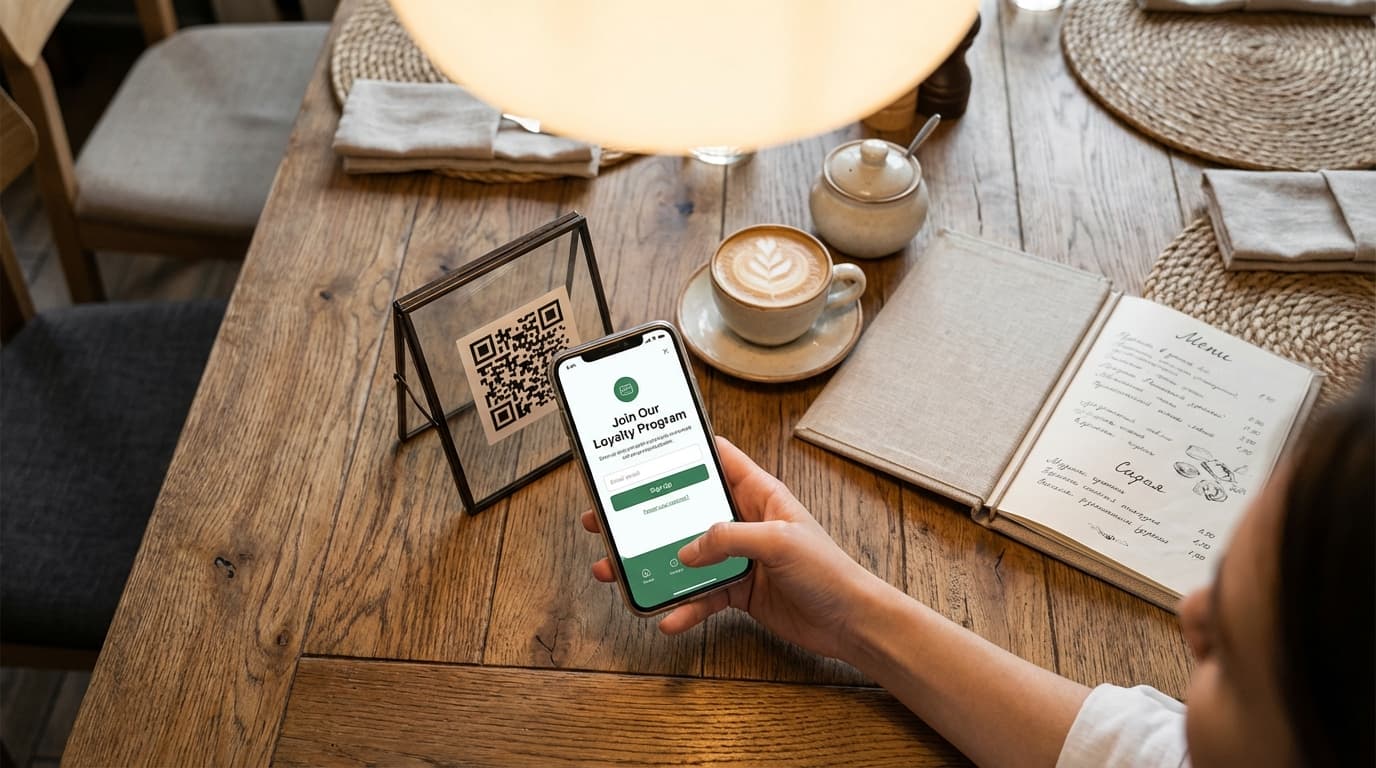
Walk-ins represent pure potential. They found you without a reservation, which means something drew them in. Location, reputation, curiosity, or a friend's recommendation. That's already more intent than most advertising can generate.
The problem is that without a system, walk-ins remain anonymous. They pay, they leave, and you have no way to reach them again. Every night becomes a cycle of strangers instead of a growing community of regulars.
Industry research consistently shows that regular guests spend about 67% more than new ones. Increasing customer retention by just 5% can boost profits by 25% to 95%. The math is clear: turning walk-ins into regulars is one of the highest-leverage moves a restaurant can make.
Capturing Guest Data Without Disrupting the Experience
You can't build relationships with people you can't reach. The first step in any retention strategy is capturing contact information in a way that feels natural, not transactional.
The key is leading with value. Guests happily share their email or phone number when they get something useful in return. Research from SevenRooms shows that 83% of diners would sign up for restaurant marketing when offered exclusive access or perks. The barrier isn't willingness. It's how you ask.
WiFi as a data collection tool
Guest WiFi with a branded login page is one of the most effective passive collection methods. Guests want connectivity. You offer it in exchange for an email address and marketing opt-in.
No awkward conversations, no pressure at the table. The system works quietly in the background while your team focuses on hospitality.
QR-based data capture
QR codes on tables, menus, or check presenters can route guests to quick signup flows. The message matters. "Join our insider list for secret menu items and local event invites" performs better than "Sign up for our newsletter."
When you connect QR code marketing for restaurants with clear value propositions, opt-in rates climb significantly.
Digital receipts and feedback flows
Offering to text or email receipts creates another natural capture point. Add a note that subscribers receive a special offer for their next visit, and you've turned a routine transaction into the start of an ongoing relationship.
Building a first-party data collection system means you own the relationship. You're not dependent on third-party platforms or hoping guests remember you. You have a direct line to bring them back.
Making the First Visit Count
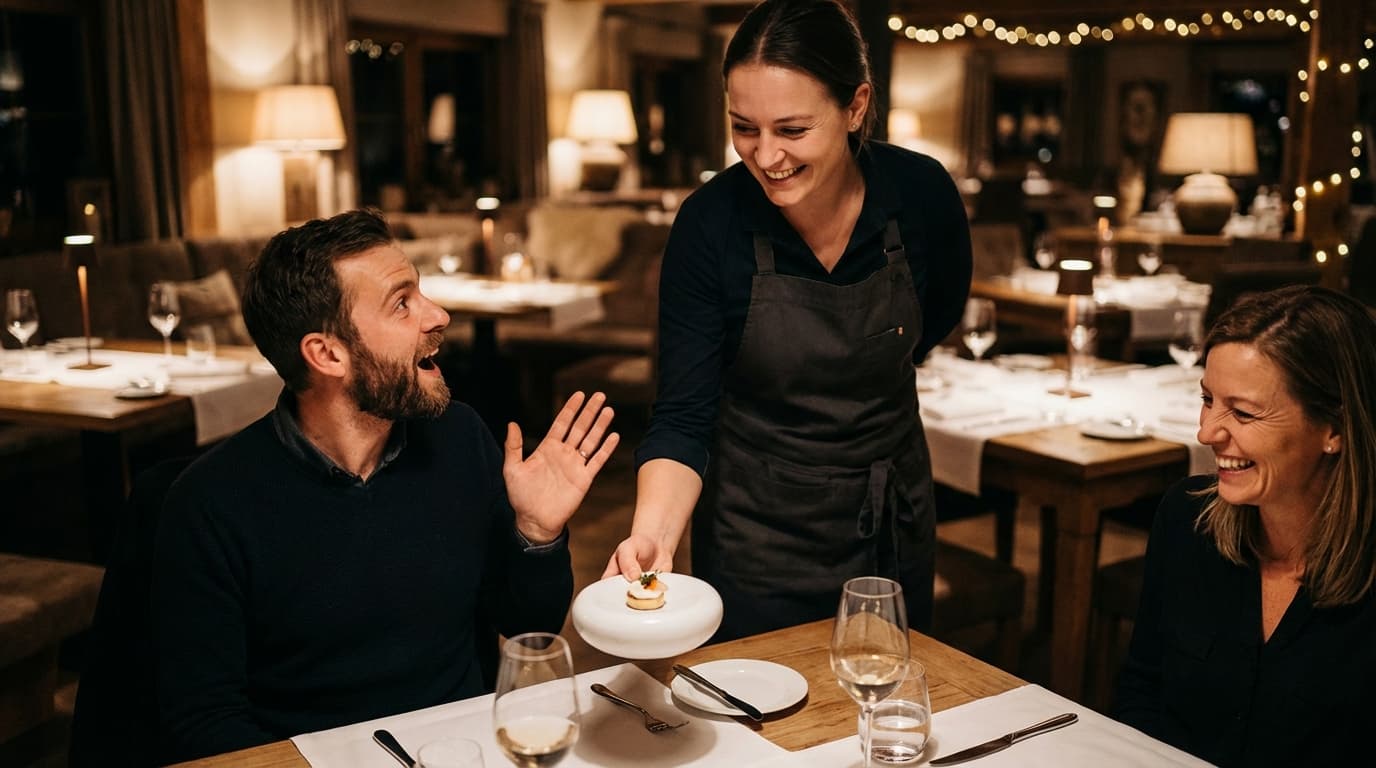
First impressions are remarkably persistent. Research on cognitive bias shows that opinions formed during initial interactions are difficult to change later. This means your first-visit experience sets the ceiling for the entire relationship.
Service excellence must be non-negotiable, but the real differentiation comes from moments that feel personal. A complimentary amuse-bouche. A quick tableside visit from a manager. A handwritten note on the check. These gestures signal that you value the guest's business and want to see them again.
Train staff to ask simple, human questions: "Is this your first time with us?" or "Celebrating something special tonight?" These aren't scripts. They're invitations to connect.
Recovery matters too. Long waits happen. Mistakes happen. What separates good restaurants from forgettable ones is how they respond. A comped appetizer after a wait, a genuine apology with a small gesture. These moments often create more loyalty than a flawless experience because they demonstrate care under pressure.
The Second Visit: Where Loyalty Begins
Most experts agree that a guest needs to visit three to five times within a reasonable timeframe to become a true regular. But the critical conversion happens between visit one and visit two. If you can get someone back a second time, the likelihood of a long-term relationship multiplies.
The 24-hour follow-up
The period immediately after a first visit is your highest-leverage window. A thank-you message within 24 hours keeps your restaurant top of mind while the experience is still fresh.
This doesn't need to be elaborate. A simple "Thanks for joining us last night, we hope to see you again soon" from the GM goes a long way.
The return incentive
A few days later, follow up with something that creates urgency. A bounce-back offer like "10% off your next visit within two weeks" or "Return this month for a complimentary appetizer" gives guests a concrete reason to come back sooner rather than later.
Understanding how to make customers come back starts with recognizing that the second visit is the real conversion event. Everything between the first check and the second reservation is bridge-building.
Progressive personalization
As guests return, your data grows richer. You learn their favorite dishes, preferred visit times, dietary preferences, and celebration dates.
Each visit becomes an opportunity to demonstrate that you remember them. Staff who can greet returning guests by name and reference past orders create experiences that generic competitors can't match.
Build Relationships That Last
See how restaurants use VISU to capture guest data and automate personalized follow-ups.
Building Retention Systems That Scale
Individual gestures matter, but sustainable retention requires systems that work without constant manual effort. The goal is creating automated flows that deliver personalized experiences at scale.
Loyalty programs that reward behavior
Modern loyalty programs for restaurants have evolved far beyond punch cards. The best programs reward not just frequency but also specific behaviors: trying new menu items, visiting during slow periods, referring friends, leaving reviews.
Digital wallet passes make tracking seamless while keeping your brand visible on guests' phones.
Membership tiers create aspirational targets. When guests can see their progress toward the next level and understand what benefits await, they're motivated to accelerate their visits. Exclusive access to events, menu previews, or chef's table experiences creates emotional investment that discounts alone can't match.
Automated marketing sequences
Marketing automation lets you send the right message at the right time without manual intervention. A welcome series for new guests, birthday rewards, anniversary acknowledgments, post-visit thank-yous. These touchpoints happen automatically once configured, ensuring no guest falls through the cracks.
Segmentation makes automation powerful. Messages to frequent visitors should differ from messages to occasional guests. Offers to lunch regulars should differ from offers to weekend diners. The more precisely you can target based on behavior, the more relevant your communications become.
Staff as retention drivers
Technology enables retention, but staff execute it. Train your team to recognize returning guests, reference past interactions, and create moments of recognition.
A host who says "Good to see you again, would you like your usual table?" delivers more loyalty value than any email campaign.
Equip staff with information. When servers can see that a guest celebrated a birthday last month or always orders the same wine, they have the tools to personalize service without being intrusive.
Reactivation: Winning Back Guests Who Disappeared
No matter how good your retention systems are, some guests will drift away. Life gets busy, routines change, new restaurants open nearby. The question isn't whether you'll lose guests. It's whether you have a system to bring them back.
Start by identifying guests who haven't visited within their typical cycle. For most casual dining, that's 60 to 90 days. For quick service, it might be 30 days. When someone breaks their pattern, it's a signal worth acting on.
Reactivation messages should acknowledge the gap without being awkward. "We've missed you" works better than "It's been 67 days since your last visit." Include something new. A seasonal menu item, a renovated space, an upcoming event. Give them a reason to rediscover you.
Personalized offers based on past behavior increase response rates. If someone always ordered the fish tacos, a message highlighting a new seafood special feels relevant. Generic blasts feel like noise.
Measuring What Matters
Retention efforts without measurement are just guesses. Build a simple scorecard tracking the metrics that matter most.
Return rate shows what percentage of first-time guests come back for a second visit. This is your primary conversion metric. If it's low, focus on your first-visit experience and immediate follow-up.
Visit frequency tracks how often known guests return over time. Rising frequency indicates deepening loyalty. Declining frequency signals potential churn before it happens.
Guest lifetime value calculates total revenue generated per guest over their relationship with your restaurant. This metric reveals the true impact of retention investments.
Reactivation rate measures how effectively you bring back lapsed guests. If your reactivation campaigns aren't moving the needle, test different timing, messaging, or offers.
Simple ROI math: if increasing your return rate by 10% adds 20 guests per month who spend an average of $50 per visit and return quarterly, that's $4,000 in additional monthly revenue from a single metric improvement.
The difference between restaurants that struggle and restaurants that thrive often comes down to this: are you filling seats with strangers every night, or building a community of regulars who sustain your business through every season?
For more strategies on building guest relationships through innovative channels, explore how brands use attention-based rewards to create lasting engagement.
Stop Losing Guests After One Visit
Join restaurants using VISU to capture data, automate follow-ups, and build lasting loyalty.