

Organic reach is unreliable, paid ads cost more every quarter, and audiences decide faster than ever. This guide shows how to promote events and sell more tickets using multi-channel strategies, QR activation, and data-driven funnels that actually convert.
The reality? Most organizers still rely on last-minute pushes hoping sales spike. In 2026, that doesn't work. If your strategy isn't structured, multi-channel, and measurable, you're leaving ticket revenue behind. But when you combine smart promotion with tools that turn every scan and click into trackable interaction, selling more tickets becomes predictable instead of random.
Turn Promotion Into Predictable Sales
VISU helps event organizers track every touchpoint from discovery to purchase, turning attention into ticket conversions.
Quick video. Earn your first reward.
What "Effective Event Promotion" Actually Means
Not all event promotion is created equal. Here's how different approaches actually perform:
Integrated multi-channel systems: Promotion that connects social, email, SMS, offline QR, and retargeting into a unified funnel with consistent messaging and trackable attribution. This is where predictable ticket sales live.
Strategic channel mix: Using multiple platforms with clear goals for each, but without full integration or attribution. Most well-organized events operate here.
Platform-dependent promotion: Relying heavily on one or two channels like Instagram organic or Facebook ads, hoping algorithms favor you. Risky and inconsistent.
Last-minute push: Promoting hard in the final weeks without building awareness or warming audiences first. High stress, low conversion, wasted budget.
This guide focuses on the first two categories, where promotion becomes a system rather than a gamble. For foundational event strategy, see our QR codes for events hub.
Understand Your Audience and Set Clear Ticket Goals
Strong promotion begins with clarity: who your event is for and what you want to achieve. Many organizers skip this and jump into creating posts, resulting in scattered messaging. Define your key audience segments and outline exact outcomes you expect.

List your core segments. Loyal attendees, friends-of-fans, local audiences, niche professionals, travelers willing to attend flagship events. Each group responds to different motivations, pricing, and messaging. A music fan reacts to emotional storytelling. A corporate attendee cares about value and outcomes.
Set your main ticket goal. Examples: "reach 80% early-bird capacity" or "sell out 500 VIP passes." Secondary goals like email list growth or sponsor exposure help prioritize content and budget. Clear goals determine how aggressively you promote limited discounts or bundles.
Map each audience's discovery journey. Where they first hear about you, what information they need, what stops them from buying. This foundation shapes all your content, retargeting, and QR-driven micro journeys. For organizer strategy, see our QR codes for events organizer guide.
Build a High-Converting Event Page and Ticket Funnel
Your event page is the central hub where people decide whether to buy. Even if they discover you on social, partners, or ads, most check a landing page before committing. If this page is slow or unclear, promotion fails no matter how good your outreach.
Headline that answers why now. What the event is and why someone should care today. Support with a short subtitle communicating transformation or value. Display date, time, location, lineup, and pricing immediately above the fold. High-impact visuals representing the experience, not just logos.
Social proof is crucial. Quotes from previous attendees, photos of real crowds, credibility boosters like sponsors or partners. If your event uses engagement tools, highlight the rewards, missions, or interactive experiences attendees unlock. The ticket becomes access to an ongoing experience, not just entry.
Reduce checkout friction. Avoid long forms, forced account creation, confusing tier names. Offer fast mobile payments, remove unnecessary steps. Collect additional attendee insights later through gamified missions or QR engagement once they're already warm. For activation strategies that enhance perceived value, see best event activation ideas.
Multi-Channel Promotion That Works in 2026
Event promotion requires multi-channel strategy. Relying only on organic posts or last-minute ad bursts isn't enough. Audiences see your event in fragments across platforms, so messaging needs repetition and consistency to drive conversions.
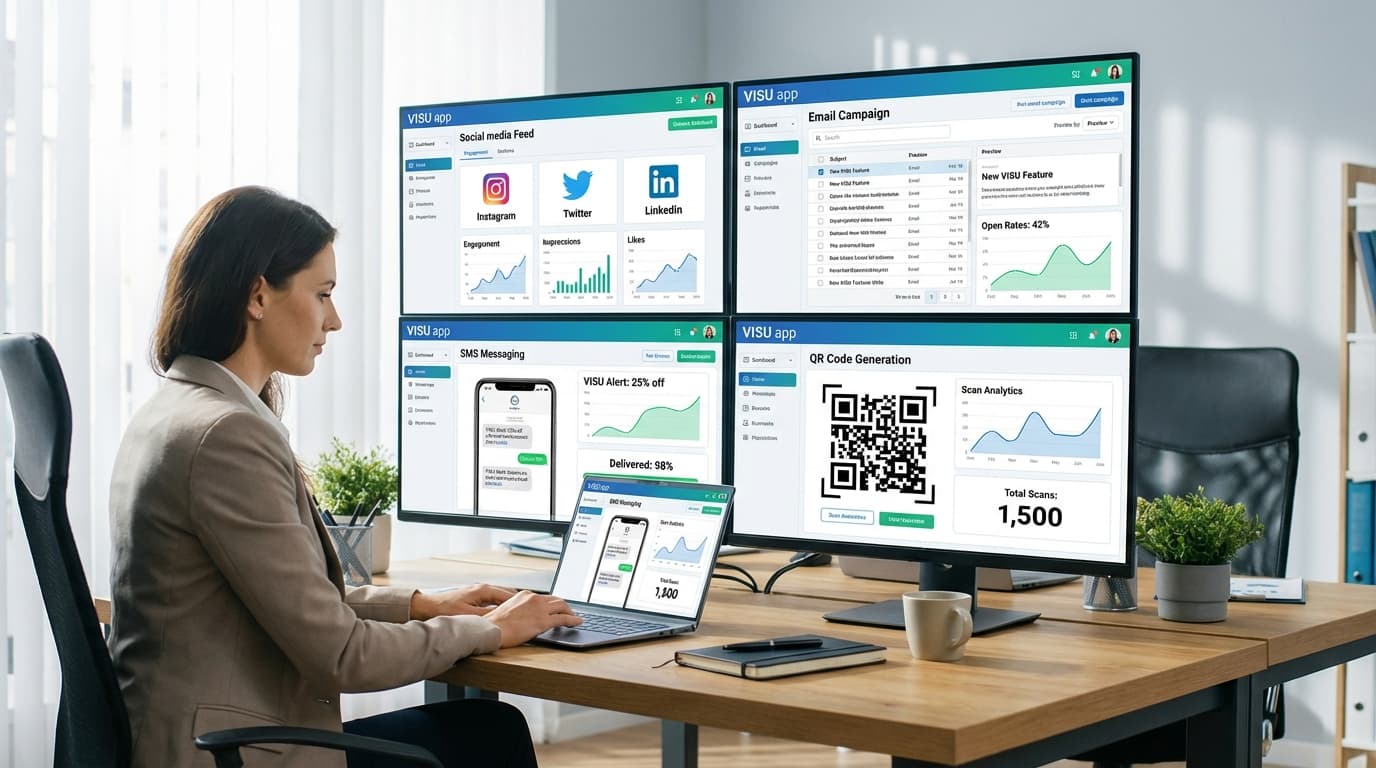
Short vertical videos. TikTok, Instagram Reels, YouTube Shorts remain top-of-funnel powerhouses. Behind-the-scenes footage, speaker insights, artist previews, transformation moments attendees can expect. End each video with clear action: scan for early-access, swipe for VIP perks, tap to join pre-sale.
Owned channels convert best. Email and SMS typically drive highest conversions. Send reminder sequences aligned with key deadlines: price increases, limited tiers, sold-out warnings. Segment previous attendees versus new subscribers so each receives tailored messaging.
Partner promotion is underrated. Local businesses, creators, micro-communities, sponsors often have more trust with niche audiences than your main accounts. Give each partner unique links or QR codes to track exactly how many sales each source drives. This data helps reinvest in top performers next year.
Turn Every Attendee Into an Engaged Participant
Join event organizers using VISU to boost engagement, capture leads, and increase sponsorship value with smart QR campaigns.
Activate Offline Touchpoints With QR Codes
Most event discovery still happens offline: posters in cafés, flyers at venues, screens in gyms, table tents in bars. But these materials often fail because they rely on people remembering a URL later. Attention disappears in seconds. You need to turn every offline moment into instant, trackable action.
Smart QR codes make this possible. Posters lead to early-access pages. Table tents trigger two-click ticket journeys. Screens at partner locations unlock micro rewards for scanning. With dynamic QR, you can update offers or destinations anytime without reprinting.
Contextual journeys convert best. A scan at a gym could offer "bring-a-friend" ticket bundles. A scan at a sponsor's store might unlock VIP upgrades. A scan inside the venue before the event pushes people to join your waitlist or follow channels. For detailed QR implementation, see our QR codes for events guide.
Every QR experience needs a single goal: buy now, join the list, redeem a perk, share with friends. Avoid multi-step flows or slow-loading pages. Test every journey on various devices and networks to prevent drop-off.
Measure Results and Retarget Warm Audiences
Once promotion runs across channels, measurement becomes the difference between guessing and scaling. Know which posts, ads, QR codes, and partner activations directly lead to sales. Double down on what works, eliminate what wastes budget.
Track everything. Visits, button clicks, scroll depth, conversion rates, revenue per source. Tag each promotional asset so you identify ROI of "TikTok preview video," "partner café QR poster," or "email early-bird reminder." Patterns help predict demand and plan promotions earlier.
Warm audiences convert highest. People who scanned your QR codes, clicked links, or engaged with posts. Retarget through ads, SMS, or email at key moments: early-bird deadlines, final VIP call, low-ticket alerts. For engagement strategies that warm audiences, see real-time engagement ideas for events.
Feed insights back into next event's strategy. Which channels drove sales? Which messages resonated? Which QR placements got scans? This knowledge compounds into competitive advantage.
Promotion Mistakes That Kill Ticket Sales
Even good events fail to sell out when organizers make these common mistakes:
Starting too late. Promotion in the final weeks without building awareness first means competing against low trust and high urgency. Start building audience months before tickets go on sale.
No clear value proposition. If people can't instantly understand why they should attend and why now, they won't buy. Every touchpoint needs obvious benefit and urgency.
Friction-filled checkout. Long forms, forced account creation, confusing pricing tiers. Each obstacle loses buyers. Simplify ruthlessly.
Single-channel dependence. Betting everything on Instagram organic or one ad platform is risky. Algorithms change, costs rise, reach drops. Diversify across owned, paid, and partner channels.
No measurement infrastructure. If you can't track which promotions drive sales, you can't optimize. Set up attribution before launching campaigns.
Ignoring warm audiences. People who engaged but didn't buy are your highest-potential prospects. Retargeting them costs less and converts better than cold audiences.
Tips for Selling More Tickets
Build urgency with real deadlines. Early-bird pricing, limited tiers, VIP caps. Make deadlines real and visible. False urgency backfires when people catch on.
Use scarcity honestly. "Only 50 VIP passes remaining" works when it's true. Show real-time inventory when possible to create authentic urgency.
Make sharing easy and rewarding. Referral discounts, bring-a-friend bundles, social sharing incentives. Word-of-mouth remains the highest-trust channel.
Segment messaging by familiarity. Previous attendees need different messaging than first-timers. Loyal fans want exclusivity. New prospects need convincing on value.
Test everything. Headlines, images, CTAs, pricing displays. Small optimizations compound into significant conversion improvements.
Plan post-purchase engagement. The relationship doesn't end at checkout. Nurture ticket holders with content, missions, and exclusive access that builds excitement and reduces no-shows. For sponsor-focused strategies, see increasing sponsorship value with interactivity.
For broader context on attention economics, explore how people get paid for their attention. The principles apply directly to converting event interest into ticket sales.
Make Promotion Predictable
Event promotion in 2026 demands a blended strategy: clear audience understanding, strong funnels, multi-channel content, offline activation with QR codes, and consistent measurement. When you combine engaging storytelling with frictionless ticket flows and smart remarketing, your event becomes easier to discover, more attractive to attend, and faster to sell out.
The events that win connect every touchpoint into a single experience. When attention becomes measurable, predictable, and actionable, selling more tickets stops being guesswork and becomes a system.
Ready to Sell More Tickets?
VISU connects QR codes, smart links, and engagement tracking into a unified system that turns promotion into predictable sales.
FAQ: Promoting Events and Selling Tickets
What's the best way to promote an event in 2026?
The most effective approach combines multi-channel digital promotion, QR-powered offline activation, short-form video, and smart retargeting. Focus on consistent messaging and frictionless ticket funnels. Start building awareness months before tickets go on sale, not weeks.
How do QR codes help sell more tickets?
QR codes turn offline interest into instant online action. Posters, table tents, and screens guide people to early-access pages, discounted flows, or gamified missions. Every scan is trackable, so you know which placements drive actual sales.
How do you track which promotion channel works best?
Use tagged links, dynamic QR codes, and analytics dashboards to monitor clicks, scans, conversions, and revenue per source. Tag each promotional asset so you can identify ROI by channel, campaign, and creative. This data guides budget allocation for future events.
What content converts the most ticket sales?
Authentic short-form videos, behind-the-scenes previews, speaker highlights, and real crowd experiences tend to perform best. Pair content with clear calls to action connecting directly to your ticket funnel. Testimonials and social proof also drive conversions.
When should event promotion start?
Start building awareness months before tickets go on sale. Early promotion warms your audience, builds trust, and creates demand. Last-minute pushes compete against low trust and high urgency, resulting in poor conversion and wasted budget.
How do you reduce ticket checkout abandonment?
Remove friction ruthlessly. Avoid long forms, forced account creation, and confusing tier names. Offer fast mobile payments and minimize steps. Retarget people who started checkout but didn't complete with reminder sequences and urgency messaging.