

Someone in your neighborhood is hungry right now. They pull out their phone and search "tacos near me" or "food truck open now." Your truck is parked three blocks away, ready to serve. But you don't show up. The customer finds someone else. You never even knew they were looking.
This happens every day to street food vendors who haven't figured out Google Business Profile. And it's costing them real money. The good news? Setting it up is free, takes less than an hour, and can bring you customers who are already looking for exactly what you sell.
Get Paid to Scan QR Codes
Businesses use Google to find you. Now get rewarded for your attention—scan and earn.
Quick video. Earn your first reward.
Why Google Matters More Than Instagram for Street Food
Instagram is great for building a following. But here's the problem: people on Instagram are scrolling, not searching. They see your food, think "that looks good," and keep scrolling. Maybe they remember you later. Probably not.
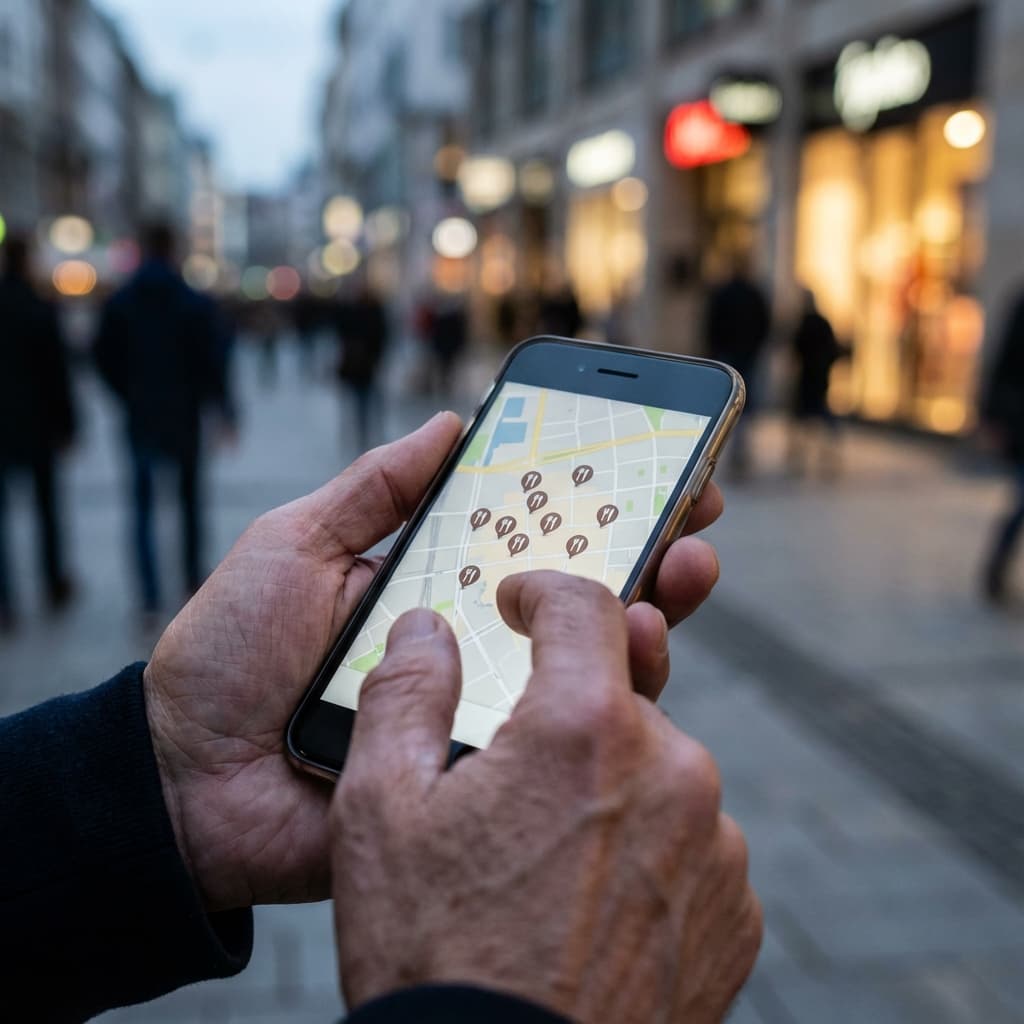
Google is different. When someone searches "hot dog cart near me" or "food truck downtown," they're not browsing. They're hungry and ready to spend money right now. They want to find something, go there, and eat.
If you're not on Google, you're invisible to these people. And there are a lot of them. "Food near me" searches have grown over 300% in the last few years. Local food searches are one of the biggest categories on Google Maps.
Your Instagram can have 10,000 followers and still lose to a competitor with 50 followers but a properly set up Google profile. Because when someone is ready to buy, they search Google, not Instagram. Understanding the real economics of street food profit means understanding where your customers actually come from.
The Mobile Vendor Problem: You Don't Have a Fixed Address
Here's where most street food vendors get stuck. Google Business Profile was designed for businesses with fixed locations. Restaurants, stores, offices. But food trucks move. Carts change spots. How do you put a moving business on a map?
Google actually has a solution for this. It's called a "service area business." Instead of pinning your business to one address, you define the area where you operate. Your neighborhood, your city, specific zip codes.
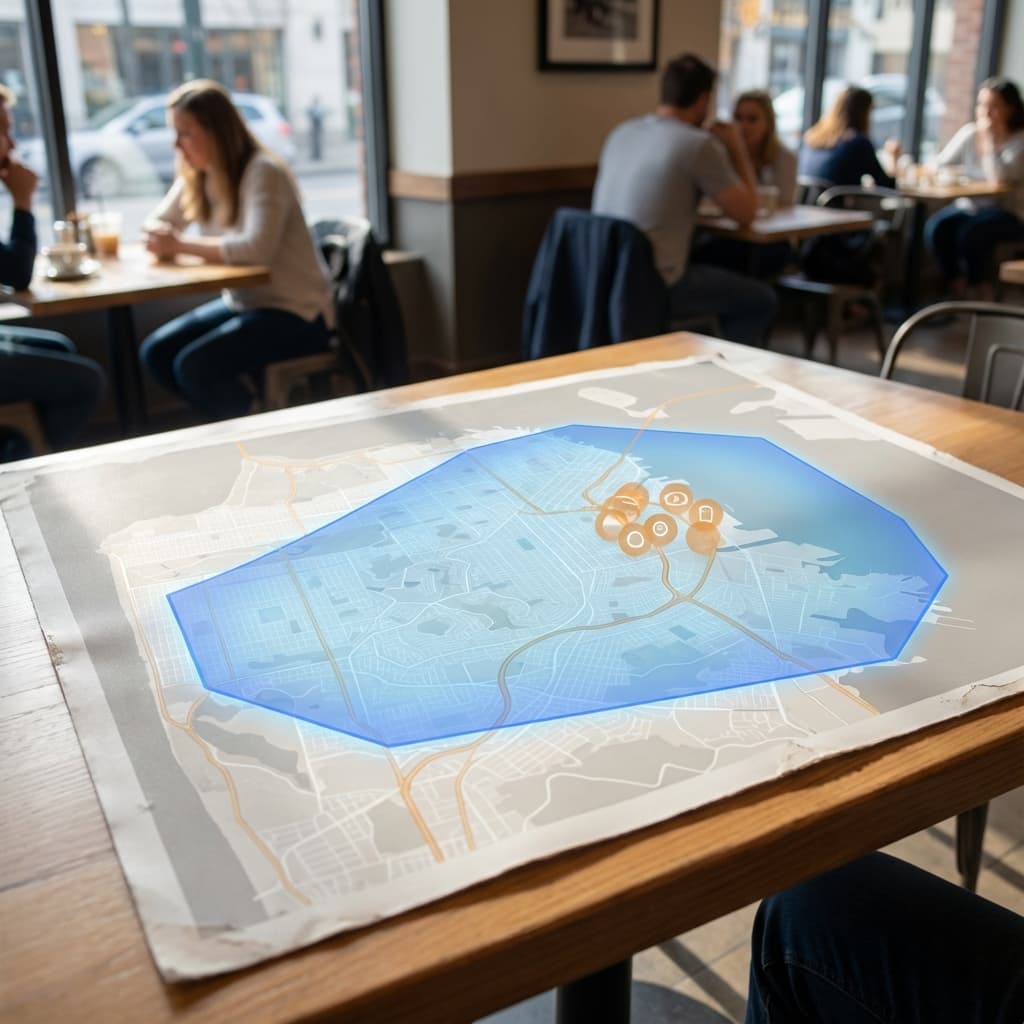
When someone in your service area searches for food, you can show up even though you don't have a storefront. Google understands that some businesses come to the customer or operate in different locations.
The key is setting it up correctly. Many vendors try to fake a fixed address or skip this step entirely. Both are mistakes. One can get you suspended. The other makes you invisible.
Turn Attention Into Income
Brands pay for engagement. Get rewarded every time you scan and interact.
Quick video. Earn your first reward.
Setting Up Your Profile the Right Way
Here's the step-by-step that works for mobile food vendors.
First, go to Google Business Profile and create an account. When it asks for your address, choose "I deliver goods and services to my customers" instead of entering a physical location. This tells Google you're mobile.
Next, define your service area. Be specific but realistic. If you only operate in one neighborhood, don't claim the whole city. Google rewards accuracy. If you actually show up where you say you do, customers will confirm this with their reviews and check-ins.
Choose the right category. "Food truck" is an option, but you can also add secondary categories like "Mexican restaurant" or "Hot dog stand" depending on what you sell. Categories help Google understand when to show you in search results.
Add photos that make people hungry. Your best dishes, your truck or cart, your setup in action. People eat with their eyes first. A profile with no photos or bad photos loses to one with good ones.
Write a description that includes what you sell and where you operate. "Authentic street tacos in downtown Austin. Find us at the corner of 6th and Congress most weekdays." Be specific. Be findable.
Reviews Are Your Street Cred
On Google, reviews are everything. A food truck with 50 five-star reviews will outrank one with 5 reviews every time. Reviews tell Google that real people found you, tried your food, and liked it enough to say something.
Getting reviews isn't complicated, but most vendors don't do it. The simple move is to ask. After you serve someone and they look happy, say "If you enjoyed it, a Google review really helps us out." Most people are willing. They just need to be asked.
Make it easy. A QR code on your counter that links directly to your Google review page removes all friction. Customer scans, writes a few words, done. No searching for your business, no figuring out how to leave a review.
Reality: The vendor who asks for reviews gets them. The vendor who waits for reviews stays invisible.
Responding to reviews matters too. When you reply to every review, positive or negative, Google sees an active business owner who cares. That gets rewarded with better visibility. Plus, potential customers read your responses and see how you handle feedback.
Keep Your Profile Alive
A Google profile isn't set-it-and-forget-it. Google rewards businesses that stay active. That means posting updates, adding new photos, and keeping your information current.
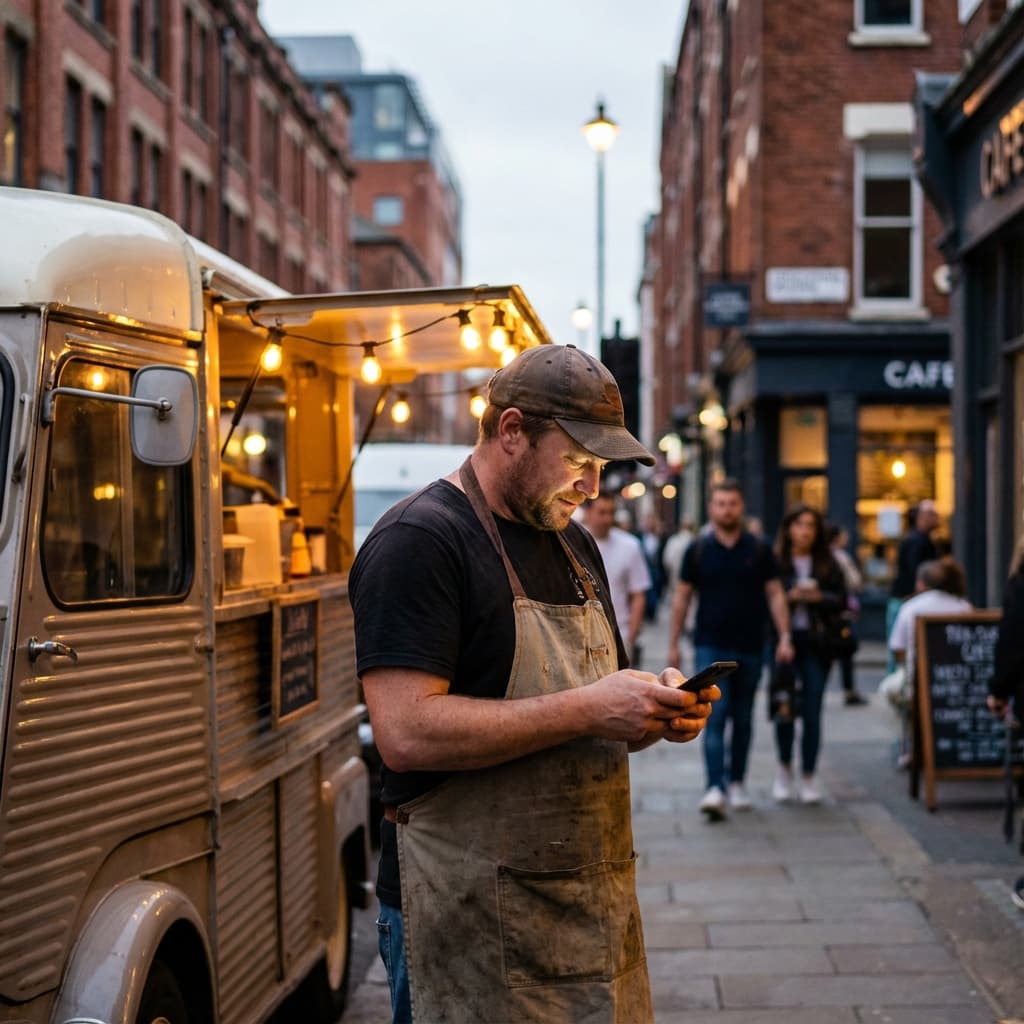
Post where you'll be this week. Share a photo of your special of the day. Update your hours if they change seasonally. These small actions signal to Google that your business is alive and active, which improves your ranking.
The complete guide to showing up on Google Maps goes deeper, but the basic principle is simple: treat your Google profile like a living thing that needs regular attention, not a one-time setup.
The vendors who do this consistently end up at the top of search results. The ones who set up a profile in 2022 and never touched it again wonder why nobody finds them.
The Connection Between Google and Loyalty
Google gets you found. But finding you once isn't enough. The real win is when someone finds you on Google, loves your food, and becomes a regular.
This is where most street vendors drop the ball. They get the Google customer, serve them great food, and then have no way to bring them back. Same problem as always: no contact, no connection, no follow-up.
The smart play is combining Google visibility with a capture system. Customer finds you on Google, comes to your truck, scans a QR code, joins your list. Now you can reach them whether they search Google again or not. You're not dependent on the algorithm.
Google brings them in. Your loyalty system keeps them coming back. That's how you build a sustainable street food business instead of gambling on search results every day. The vendors who understand how to attract customers know that Google is just the first step—retention is where the real money is.
At the end of the day, it all comes back to one thing: getting paid for your attention to the details that make your business findable, memorable, and worth returning to.
Turn Every Customer Into a Regular
Join food trucks using VISU to build loyalty, capture leads, and increase sales with smart QR campaigns.
FAQ — Google Business for Street Food
Can food trucks have a Google Business Profile without a fixed address?
Yes. Google allows "service area businesses" that don't have a physical storefront. Instead of an address, you define the area where you operate. This is how mobile vendors, delivery services, and home-based businesses appear on Google.
How do I get more Google reviews for my food truck?
Ask customers directly after serving them. Make it easy with a QR code that links to your review page. Respond to every review you get. Consistency matters more than any single tactic.
Does Google Business Profile cost money?
No. Creating and maintaining a Google Business Profile is completely free. Google makes money from ads, not from business listings. There's no reason not to set one up.
How often should I update my Google profile?
At least weekly. Post your location, share photos, respond to reviews. Google rewards active profiles with better visibility. A neglected profile gradually loses ranking.
What's more important for food trucks, Google or Instagram?
Both serve different purposes. Google reaches people ready to buy right now. Instagram builds brand and following over time. For immediate sales, Google usually wins. Ideally, use both but don't neglect Google.
How long does it take to start showing up in Google searches?
Usually a few days to a few weeks after verification. Building strong visibility takes longer—consistent posting, accumulating reviews, and staying active over months is what gets you to the top of local results.