

10 real-world gamification strategies from Starbucks, Nike, Duolingo and more — with practical takeaways you can adapt for your own brand.
Some of the most recognizable brands in the world use gamification to keep customers engaged. But most analysis stops at "they have points" or "they have badges."
That's not helpful. What matters is why these systems work — and how you can apply the same psychology without their budget. This guide breaks down 10 brand examples, explaining the mechanics, the psychology, and the practical takeaways for businesses of any size.
Build Your Own Gamified Experience
VISU helps brands create QR-based missions, rewards, and progress systems.
Quick video. Earn your first reward.
What Makes These Examples Work
Before diving into specific brands, it helps to understand what they have in common. The most effective gamification strategies share a few core elements.
First, they set clear goals. Users always know what they're working toward. Second, they make progress visible. Whether it's a progress bar, a streak count, or a tier badge, you can see how far you've come. Third, they mix expected rewards with surprise bonuses. Predictable rewards build habits; unexpected ones create delight. And fourth, many add social elements like leaderboards, sharing features, or community challenges.
These aren't arbitrary design choices. They're grounded in the psychology of motivation and reward. Keep these principles in mind as we look at each example.
1. Starbucks Rewards: Progress Loops Done Right
Starbucks has built one of the most copied loyalty programs in the world. But what makes it work isn't just the free drinks — it's the structure.
The core mechanic is simple: spend money, earn stars, redeem rewards. But Starbucks layers multiple progress systems on top. You earn stars toward your next reward and toward your next tier. They add rotating "bonus star" missions that change weekly. And they use gamified elements like "Double Star Days" to create urgency.
The psychology here is about multiple progress paths. You're never just working toward one thing. Even if a free drink feels far away, you might be close to completing a bonus mission or hitting your next tier.
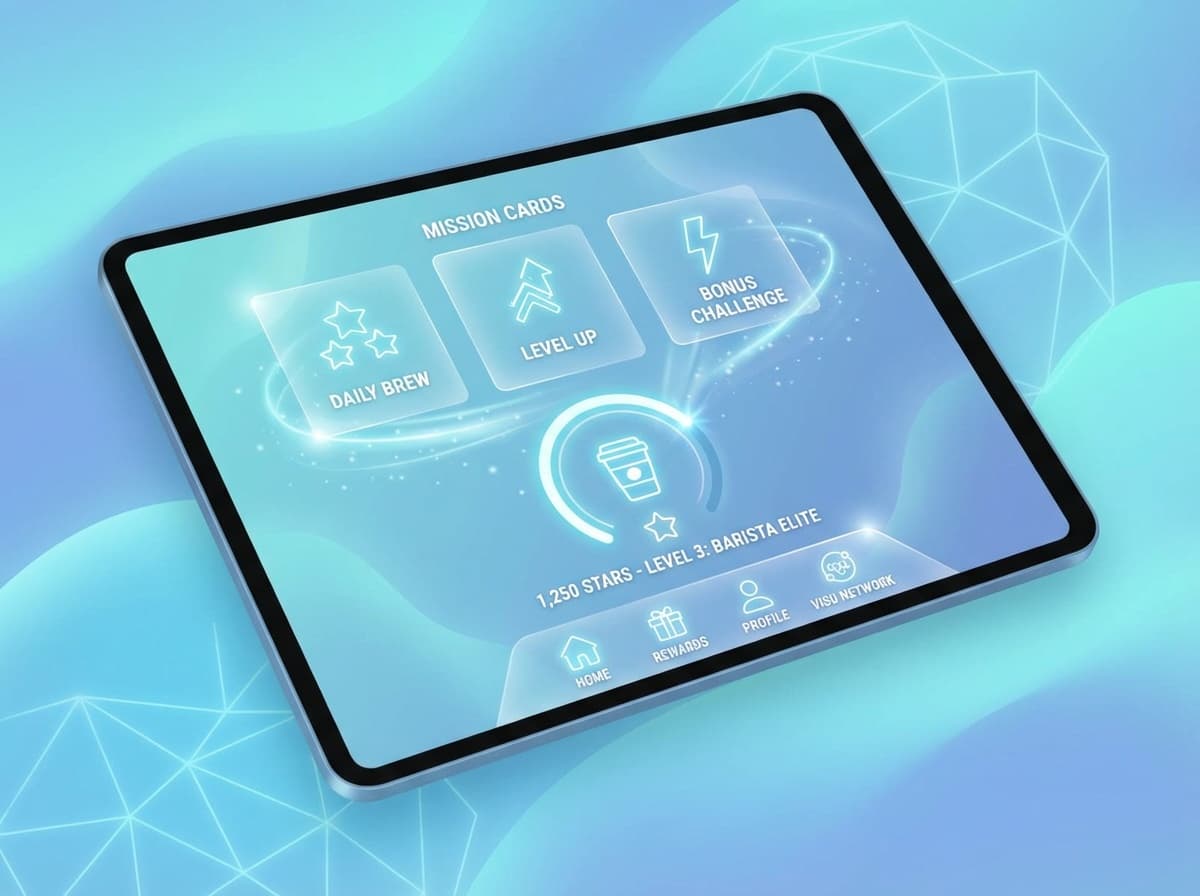
Takeaway for your brand: You don't need Starbucks' scale to use this. Create one primary progress path (points toward rewards) and one secondary path (status tiers or monthly missions). The key is clarity — users should understand both systems instantly.
2. Duolingo: Streaks and Social Pressure
Duolingo turned language learning into a daily habit for millions of people. The secret isn't the lessons — it's the streak system.
A streak counts consecutive days of activity. Miss one day, lose everything. It sounds punishing, but it's incredibly effective at building habits. Duolingo adds "streak freezes" you can earn or buy, which creates another goal to work toward. They also use leaderboards that pit you against other learners, adding social competition.
The psychology is about loss aversion. People work harder to avoid losing something they've built than to gain something new. A 50-day streak feels like an asset you've invested in. Breaking it feels like losing that investment.
Takeaway for your brand: Streaks work best for behaviors you want to become daily habits. If you're a retailer, consider a "visit streak" — visit three weeks in a row, get a bonus reward. The key is making streaks feel valuable enough to protect.
3. Nike Run Club: Identity-Based Missions
Nike Run Club doesn't just track runs — it turns them into achievements that build identity.
The app uses challenges that feel like personal milestones: your first 5K, your fastest mile, your longest week. Each achievement comes with a badge and a share-worthy graphic. But more importantly, these achievements reinforce an identity: "I'm a runner."
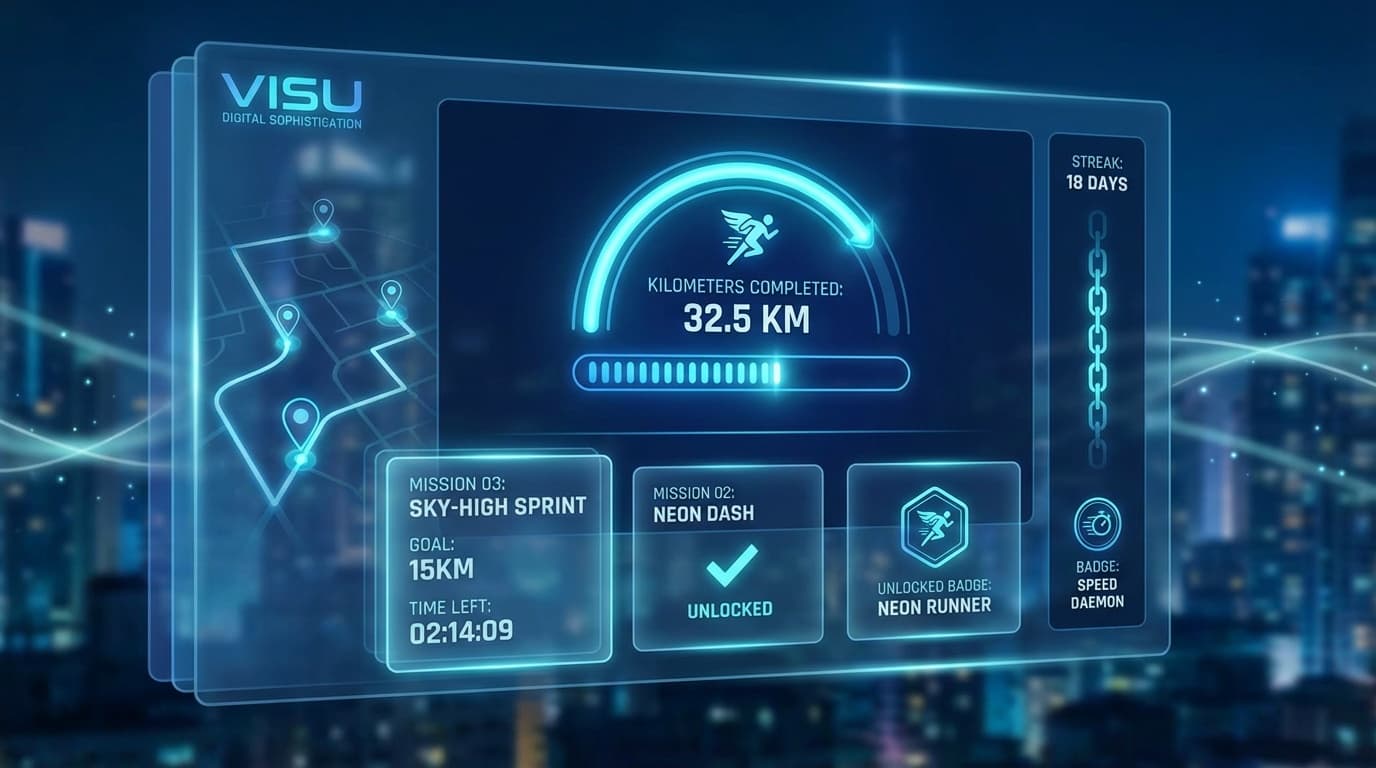
The psychology here ties into self-determination theory. Nike isn't just rewarding behavior; they're helping you build a story about yourself. That's much stickier than points.
Takeaway for your brand: Think about what identity your product supports. A coffee shop might celebrate "50 morning coffees" to reinforce the "I'm a morning person" identity. Match rewards to meaningful milestones, not just transaction counts.
4. McDonald's QR Campaigns: Instant Gratification
McDonald's has experimented with various QR-based promotions, including the famous Monopoly game. The core mechanic is simple: scan, reveal, win.
What makes these campaigns work is the instant feedback loop. You scan a code and immediately know if you've won something. There's no waiting, no accumulation phase. The variable reward (you might win big, might win small, might win nothing) triggers the same psychology as slot machines.
The campaigns also bridge physical and digital seamlessly. You're holding packaging, you scan with your phone, you get a digital reward. This hybrid approach works especially well for retail and food service.
Takeaway for your brand: If you want quick engagement without long-term commitment, instant-win mechanics work well for promotions. Tools like VISU QR Ads let you create similar experiences — a QR code on packaging or signage that reveals an instant reward.
5. Sephora Beauty Insider: Tiered Status
Sephora's Beauty Insider program is a masterclass in tier psychology. There are three levels: Insider, VIB, and Rouge. Each tier unlocks progressively better perks.
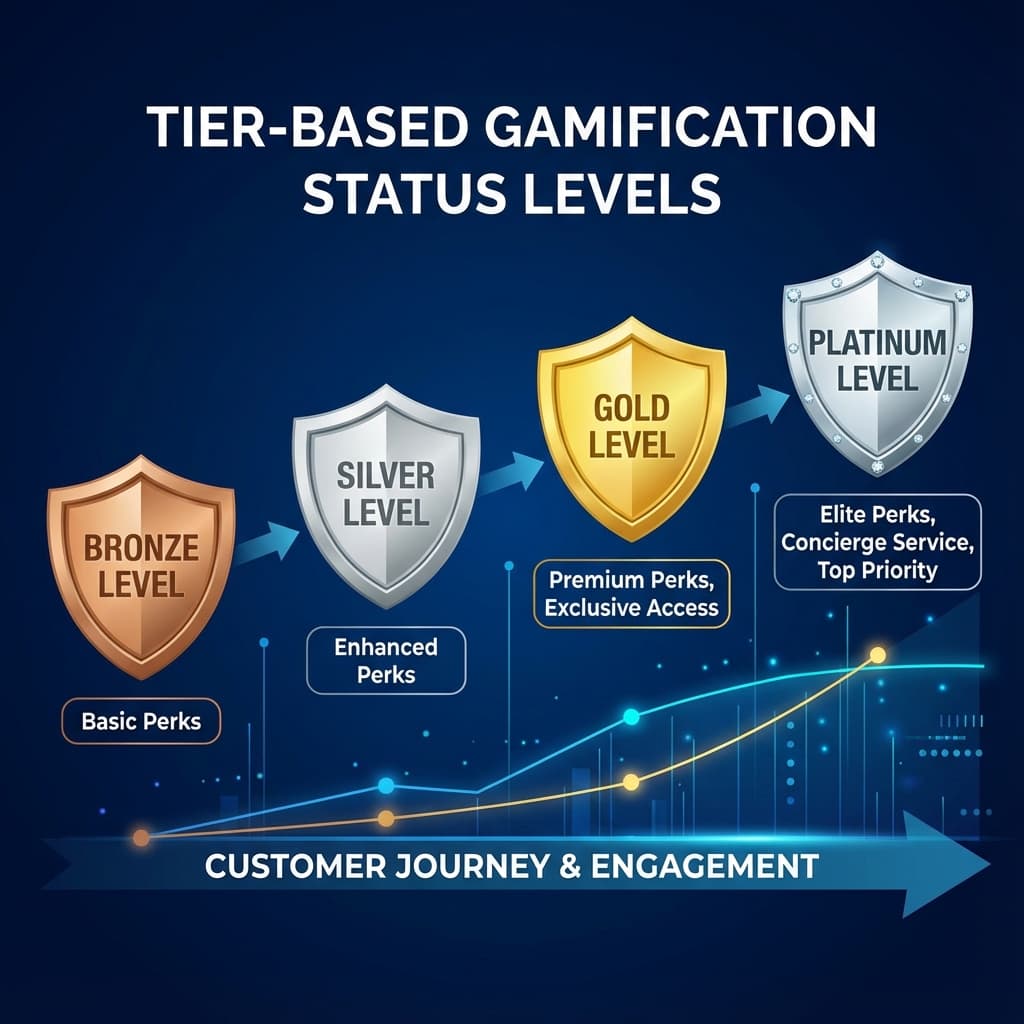
The genius is in making tiers feel like status symbols. Rouge members get early access to products and exclusive events. The perks have real value, but the status itself matters too. Customers talk about "being Rouge" as an identity marker.
The psychology combines scarcity (exclusive perks) with social proof (visible status). People want to join the exclusive club.
Takeaway for your brand: Tiers work best when higher levels offer genuinely exclusive benefits — not just "more points." Early access, exclusive events, or VIP experiences create real differentiation. Make the path to each tier transparent so customers know exactly what they're working toward.
6. Fortnite Battle Pass: Seasonal Urgency
Fortnite's Battle Pass system generates billions in revenue without selling competitive advantages. Players pay for access to a season of challenges, each unlocking cosmetic rewards.
The key mechanic is time pressure. Each season lasts about 10 weeks, then everything resets. If you don't complete challenges in time, you miss those rewards forever. This creates urgency that keeps players coming back consistently throughout the season.
They also structure rewards so the most desirable items are unlocked near the end. You need consistent engagement over weeks to reach them — not just one burst of activity.
Takeaway for your brand: Seasonal campaigns with time-limited rewards can drive consistent engagement. Consider quarterly "seasons" with escalating rewards — customers who engage throughout the period get the best benefits. Just be careful not to make seasons so demanding they feel like work.
7. Amazon Prime: Hidden Bonuses
Amazon Prime isn't usually categorized as gamification, but it uses several gamified elements effectively.
The main mechanic is bundling and surprise. Prime members discover new benefits over time — streaming, music, photos, gaming. Each discovery feels like finding a hidden bonus. Amazon also uses Prime Day as a gamified event, with lightning deals that create urgency and competition.
The psychology is about perceived value accumulation. Members feel like they're constantly discovering new ways to "win" with their membership.
Takeaway for your brand: Not every benefit needs to be advertised upfront. Surprising loyal customers with unexpected perks — a free item, early access to something, exclusive content — creates delight and reinforces the relationship. Just make sure the core value proposition is clear; surprises work best on top of an already-good deal.
8. Chipotle: Community Scavenger Hunts
Chipotle has run campaigns that turn customers into active participants. Their "Boorito" Halloween promotions and various QR-based scavenger hunts generate massive social engagement.
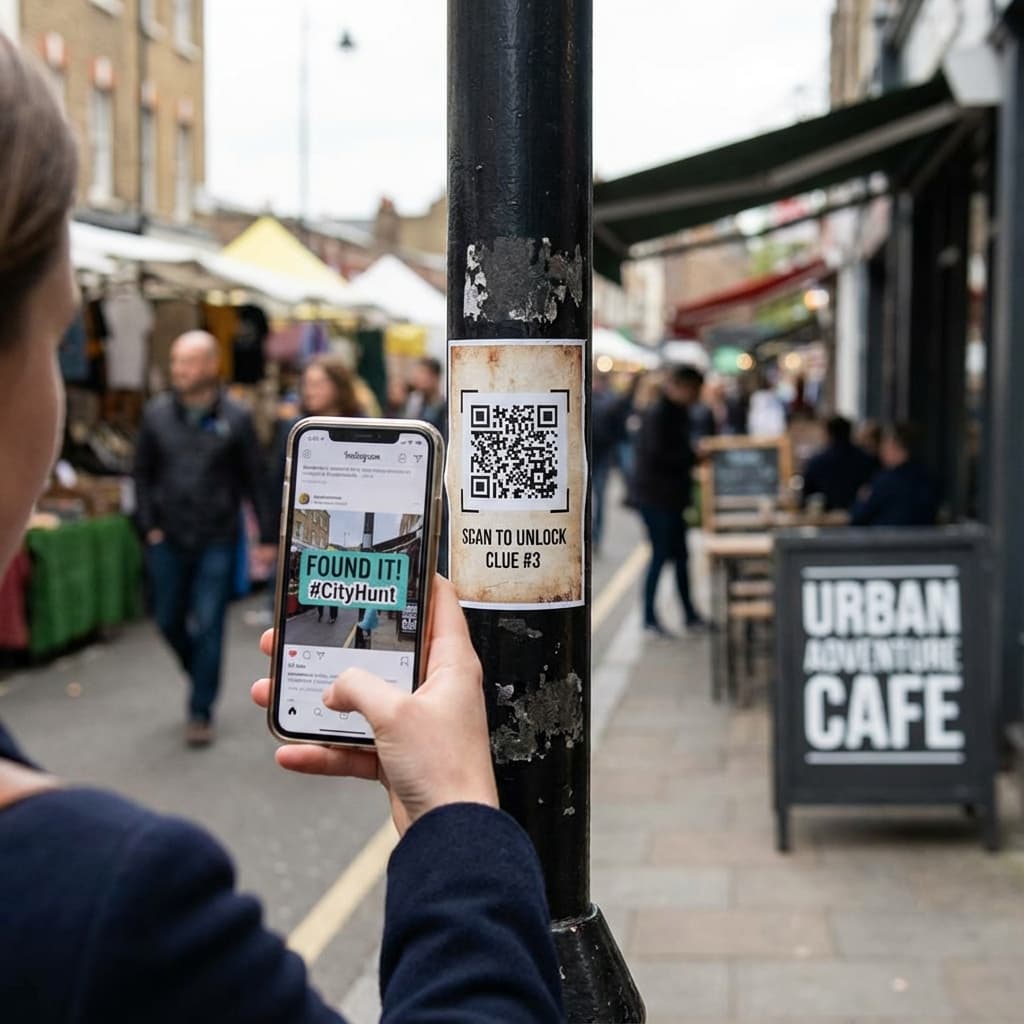
The mechanic is participation plus sharing. Customers complete challenges, share on social media, and unlock rewards. The social element amplifies reach — each participant becomes a broadcaster.
Takeaway for your brand: Campaigns that encourage sharing can punch above their weight. A multi-location mission where customers scan QR codes at different stores — and share their progress — creates organic reach. The key is making participation genuinely fun, not forced.
9. Adidas Training: Personalized Missions
The Adidas Training app personalizes challenges based on your fitness level and goals. Instead of generic "complete 10 workouts" missions, you might get "improve your plank time by 15 seconds this week."
Personalization makes missions feel achievable and relevant. A mission calibrated to your level is more motivating than one designed for the average user. It also reduces the feeling of competing against others — you're competing against yourself.
Takeaway for your brand: If you have customer data, use it to personalize missions. A retailer might offer different challenges based on purchase history: "Try something from a category you haven't explored" for adventurous customers, "Restock your favorites" for habitual buyers. Personalization increases completion rates significantly.
10. LEGO Insiders: Creativity-Based Rewards
LEGO's loyalty program rewards not just purchases, but participation. Members earn points for building and sharing creations, writing reviews, and engaging with the community.
This expands the reward loop beyond transactions. Customers who can't afford frequent purchases can still progress by contributing. It also builds a richer community — the shared creations become content that attracts new customers.
Takeaway for your brand: Consider rewarding non-purchase behaviors that still create value: reviews, referrals, social sharing, event attendance. This broadens participation and captures value you'd otherwise miss. Just ensure the point values make sense — contribution should feel valued, not exploited.
If you run an online store, e-commerce gamification offers even more ways to reward engagement beyond checkout.
Create Gamified Campaigns Without Code
VISU's dashboard lets you build QR-based missions, set reward rules, and track results.
Quick Comparison: Which Strategy Fits Your Brand?
Here's how these 10 approaches compare on complexity, best use cases, and offline viability:
| Brand | Core Mechanic | Complexity | Best For | Offline |
|---|---|---|---|---|
| Starbucks | Progress loops + tiers | Medium | Repeat purchases | ✅ |
| Duolingo | Streaks + leaderboards | Medium | Habit building | ⚠️ |
| Nike | Identity badges | Low | Brand connection | ✅ |
| McDonald's | Instant-win QR | Low | Promotions | ✅ |
| Sephora | Tiered status | Medium | High LTV customers | ✅ |
| Fortnite | Seasonal passes | High | Sustained engagement | ❌ |
| Amazon | Surprise bonuses | High | Ecosystem lock-in | ⚠️ |
| Chipotle | Scavenger hunts | Medium | Viral campaigns | ✅ |
| Adidas | Personalized missions | High | App engagement | ⚠️ |
| LEGO | UGC rewards | Medium | Community building | ⚠️ |
Legend: ✅ Works well offline | ⚠️ Partial offline capability | ❌ Primarily digital
Decision Framework: Choosing Your Approach
Not sure where to start? Here's a quick framework based on your primary goal:
If you want more store visits: Look at McDonald's QR campaigns and Chipotle's scavenger hunts. QR-based missions that require physical presence drive foot traffic directly. Start simple — one location, one mission, one reward. Scale from there.
If you want deeper loyalty: Starbucks and Sephora show how progress systems and tiers create long-term relationships. The latest gamification statistics confirm that layered programs outperform single-mechanic approaches on retention.
If you want customer data: Adidas-style personalized missions require data input from users. Offer value in exchange — personalized recommendations, relevant challenges, better experiences.
If you want viral reach: Chipotle and LEGO show how participation-based campaigns generate organic sharing. Design missions that are fun to share and reward the sharing itself.
Pro tip: Start with one mechanic and master it. Layer complexity only after you've proven the foundation works. Most failed gamification programs collapse under their own complexity — users can't understand what they're supposed to do.
Conclusion: Psychology Over Budget
The brands in this guide have massive budgets, but their gamification success comes from psychology, not spending. Follow gamification best practices and you can achieve similar results without enterprise resources.
The tools to implement these strategies are more accessible than ever. A QR code on your packaging or storefront can trigger a mission, track progress, and deliver a reward — no app development required. The question isn't whether you can afford gamification; it's whether you've designed something worth playing.
And remember: attention has value. The same mechanics that help brands engage customers can also help consumers get paid for their attention. The best gamification creates value for both sides.
Ready to Build Your First Campaign?
VISU makes gamified marketing accessible for brands without enterprise budgets.
FAQ
Can small businesses use these strategies?
Absolutely. The psychology is the same regardless of scale. A local coffee shop can implement Starbucks-style progress tracking or McDonald's-style QR campaigns with minimal investment. Start with one mechanic, prove it works, then expand.
Do I need a mobile app for gamification?
No. Many effective gamification strategies work through existing channels: QR codes, websites, email, or physical punch cards. Apps are useful for complex systems with daily engagement, but they're not required to start.
Which example works best for offline retail?
McDonald's QR campaigns and Chipotle's scavenger hunts translate most directly. Both use physical touchpoints (packaging, signage, store locations) as triggers for digital rewards. Starbucks and Sephora also work well because their programs are designed around in-store purchases.
How long before I see results?
Simple instant-win campaigns show results immediately through participation rates. Progress-based systems (streaks, tiers) need 4-8 weeks to build momentum. Track leading indicators like mission starts and completion rates, not just revenue, in early stages.
What industries benefit most?
Retail, food service, fitness, education, and entertainment see the clearest results. But any business with repeat customer interactions can benefit. The key is having behaviors worth rewarding and customers who engage frequently enough to experience progression.
Should I copy one brand exactly?
No. Extract the principles, not the specifics. Starbucks' star system works for them because of their purchase frequency and price point. The principle — multiple progress paths — adapts to any business. Understand why something works before implementing it.
What's the easiest mechanic to start with?
QR-based instant rewards. One code, one reward, one call to action. No complex systems, no tracking requirements. Once you've proven customers will scan and engage, layer in progress elements like mission sequences or punch cards.
Can I combine multiple approaches?
Yes, but sequentially. Master one mechanic before adding another. Starbucks started with simple punch cards before building their current system. Complexity should grow with customer familiarity, not launch with it.