

How to turn your event into missions people actually want to complete.
Most events still run on the same playbook: keynote, networking break, sponsor hall, selfie wall. In 2026, that's not enough. Attendees expect interactive experiences, quick reward loops and reasons to stay engaged. When your event feels static, they drift to email and social feeds instead of exploring what you built.
Event gamification changes this. Instead of a long schedule, you create clear missions and small rewards that pull people through the venue. Scan to join challenges. Collect points while exploring. Unlock perks for attending sessions. See progress in real time. For context on how this fits into broader strategy, check our gamification marketing guide.
The good news? You don't need a custom app or massive budget. QR codes, smart links and lightweight web pages can layer gamification on any event format. This guide covers how to design those loops, pick the right rewards and measure what actually matters.
Want to Skip Ahead?
Start building gamified event experiences with VISU.
What Event Gamification Really Means
Gamification isn't about turning your conference into a video game. It's about giving attendees clear goals, instant feedback and visible progress. Every doorway, lounge, stage and sponsor booth becomes a potential mission node. When you attach a QR code to those spots, a simple scan logs progress, unlocks content or adds points.
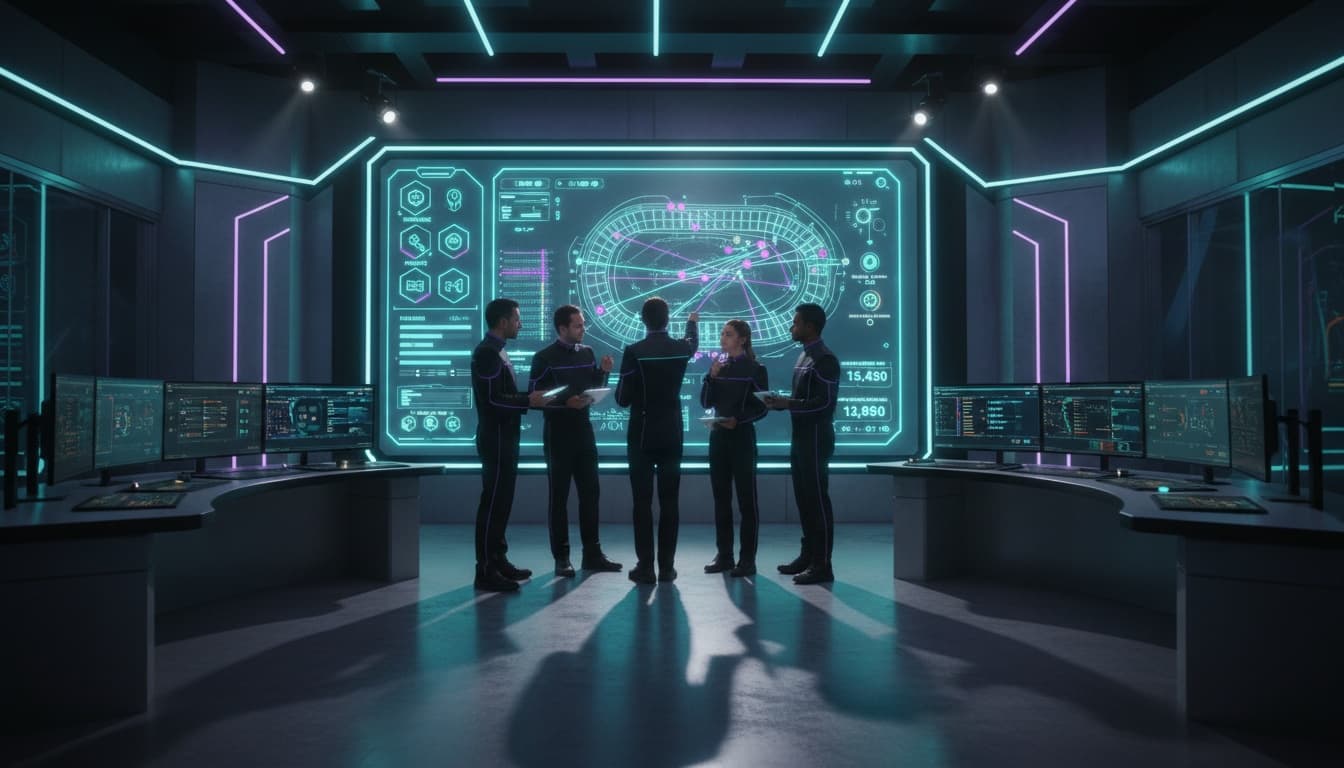
The mindset shift is seeing your event as moments, not a static agenda. These small interactions add up to a story attendees can see on their devices and feel in the space. Understanding why these mechanics work psychologically helps you design better experiences.
Gamification also gives you levers to balance the event. Sponsor hall quiet? Launch a mini mission that sends people there for bonus points. Want better workshop attendance? Attach extra rewards. Because everything is tracked digitally, you see what works and adjust for next time. For real-world inspiration, see how major brands use gamification.
For sponsors, this is powerful. Instead of static logo placements, you plug them into missions and Scan-to-Win flows. They get clear line of sight between investment and real attendee actions.
Designing Missions That Actually Work
A game loop is the pattern that repeats: notice, act, get feedback, advance. Get this wrong and people scan once then forget. Get it right and they hunt for new missions whenever they have a spare moment.
Start with a simple structure. Track-based missions tie actions to themes like "innovation" or "networking." Venue missions reward visiting specific zones. You can mix both: attend sessions in one track plus explore sponsor areas. Keep rules simple enough to explain in two sentences on signage. For detailed frameworks, see our gamification best practices.
Every mission needs three parts: a clear objective ("visit four sponsors"), a way to prove completion (QR scans or short questions), and a meaningful reward. When structured this way, attendees always know what to do next and why it matters.
Pacing matters too. Unlock everything at once and people feel overwhelmed. Drip missions over time and you create fresh reasons to re-engage each morning. Dynamic QR journeys through VISU QR Ads let you change mission content behind the same physical code without reprinting.
Decide how visible progress should be. Personal dashboards work well. Venue screens with live stats like "missions completed today" add excitement. Even a simple progress bar dramatically increases momentum. Looking for creative approaches? Browse event activation ideas that pair well with gamification.
Reward Structures That Keep People Playing
Gamification isn't just about earning something. It's about feeling like the next action is worth taking. That feeling comes from how you design rewards.
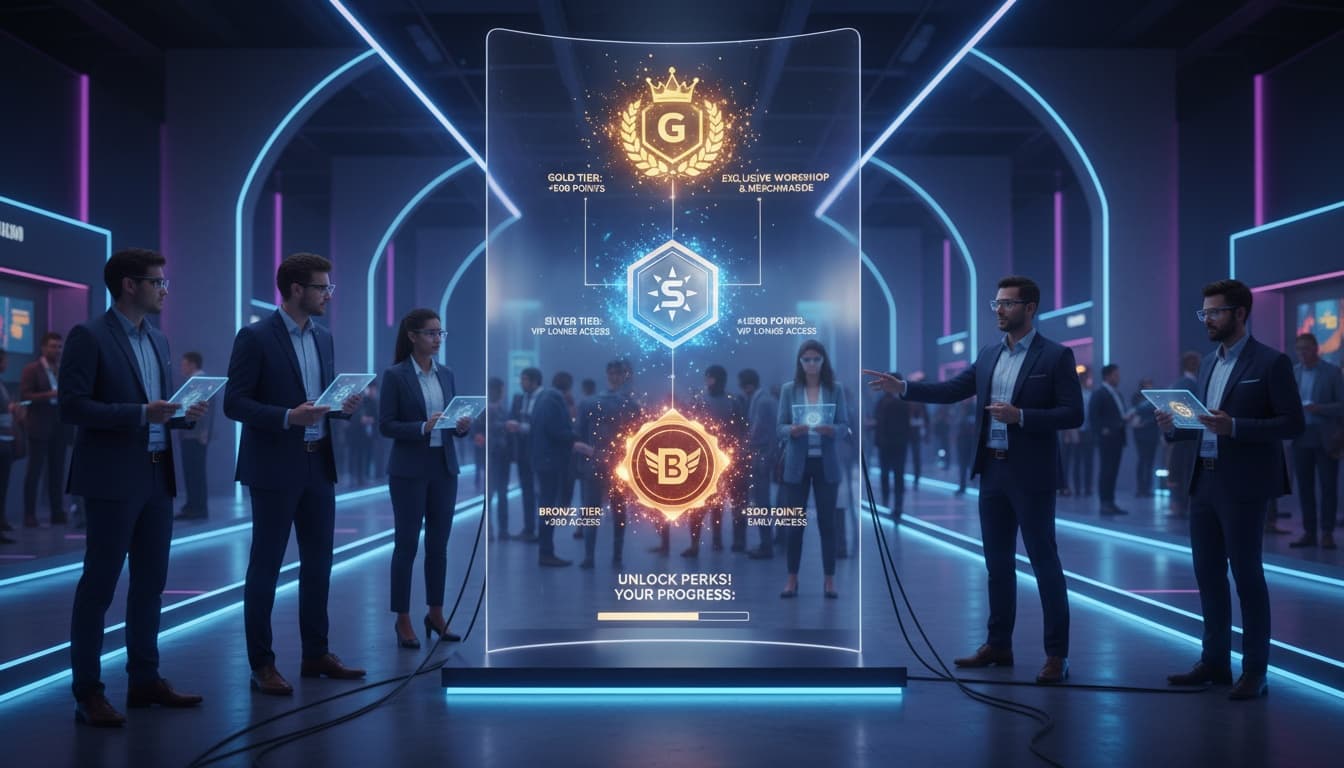
Think in three layers. Micro rewards like points and badges come frequently. Milestone rewards for completing tracks unlock lounge access, drink vouchers or exclusive content. A few big prizes like free passes or VIP experiences create aspirational pull. This mix keeps people enjoying small wins while still chasing something bigger. Our guide on micro rewards explains why small incentives drive big changes.
Transparency is critical. People should see what's possible even if they don't reach the top tier. Use clear language like "complete three missions to unlock tier two" and "top 20 players enter the grand prize draw." When attendees trust the system is fair, they keep participating.
Weave sponsors in naturally. A health brand offers free consultations for completing a wellness track. A software company offers extended trials for finishing a product discovery mission. Because rewards come from real engagement, they feel earned rather than pushed.
See It in Action
Learn how brands use VISU for gamified events.
Powering Journeys With QR Codes
Under the surface, event gamification runs on simple building blocks: QR codes and smart links connecting physical touchpoints to digital experiences. Design these well and attendees move from scan to mission to reward in a few taps. Design them poorly and they hit slow pages and dead ends.
The most important rule: one action per scan. If someone scans a mission code, the page focuses on that mission. If they scan a reward code, they see what they earned and how to claim it. Navigation and extras sit below the main action, not in front. For technical guidance, see our piece on QR codes for events.
Centralize your QR management. VISU Ads lets you create campaigns for different zones, update destinations on the fly and see analytics in one place. Much easier than juggling dozens of hard-coded URLs.
Mobile performance is critical. Gamified journeys happen in crowded spaces with mixed connectivity. Use lightweight pages, minimal scripts and clear error states. The smoother the experience, the more likely people scan codes all day.
Measuring What Actually Matters
One of gamification's biggest advantages is the insight it gives you. Instead of guessing whether people enjoyed the program, you see how many missions they completed, which zones they visited and how often they came back.
Start with participation metrics: how many attendees joined the game, how many missions they started versus completed, average scans per player. These show whether your core loop is compelling or needs simplification.
Overlay venue insights by tagging missions by location. Build heat maps of engagement. Which stages had the most activity? Which sponsor zones drove highest completion? Share these with sponsors as premium reporting.
Connect gamification data to outcomes. Compare lead quality from attendees who completed missions versus those who didn't. Track whether engaged players respond more to post-event emails or buy future passes. This is where tools like VISU Link extend the journey beyond the venue.
Treat your system as a product that evolves. After each event, log what worked and what surprised you. Update mission templates and reward catalogs. Over a few cycles, you'll move from experimenting to running a mature engagement engine.
Turn Engagement Into a System
Event gamification isn't magic that fixes weak content. It's a design layer that makes it easier and more rewarding for attendees to do what you already want: explore, participate, connect and return.
Start simple. One mission structure, clear rewards, a handful of QR touchpoints. Prove it works, then expand with more zones and deeper sponsor integrations. Over time, gamification stops feeling like a special project and becomes how your events run.
In a world where attention is your scarcest resource, making every scan and mission feel rewarding isn't optional. It's how you keep attendees engaged from badge pickup to closing session. The real opportunity is learning to get paid for attention instead of giving it away.
Turn Attention Into Growth
Capture every interaction with VISU.