

Create dynamic QR codes with full tracking
Start FreeChoosing between dynamic vs static QR code is one of the first decisions in any QR strategy. It looks like a small technical detail, but it defines whether you can track scans, update destinations, and optimize campaigns without reprinting anything.
Static QR codes are simple. The URL is fixed inside the code. Once printed, nothing changes. Dynamic QR codes work differently. The code points to an intermediate URL that you control. Change the destination anytime, collect analytics, and run A/B tests without touching the original material.
This guide breaks down the real differences, shows practical examples, and helps you decide which type fits your context.
What Is a Static QR Code
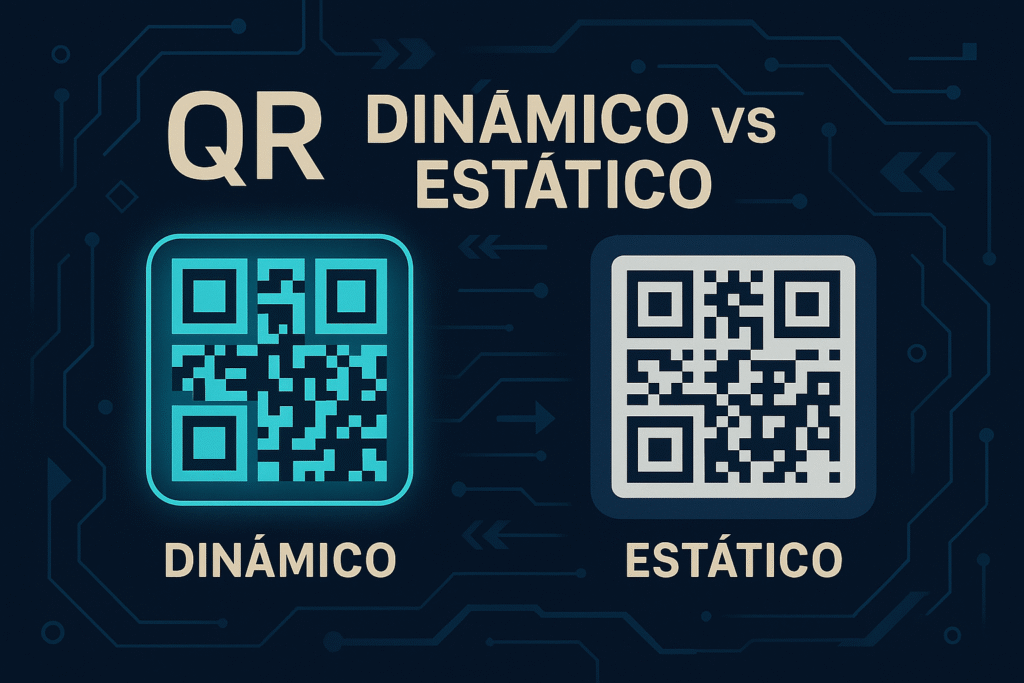
A static QR code stores data directly inside the pattern. Once generated, that information is locked. If the destination URL changes, you need a new code and new print run.
Static codes work well for permanent data such as contact information encoded as vCard, fixed WiFi credentials, or URLs that will never change. They cost nothing to generate and require no ongoing platform.
The downside is obvious. Zero analytics. Zero flexibility. If you misspell a URL or need to redirect traffic, the entire batch becomes useless. For one-off personal use, static is fine. For marketing, it is usually a liability.
What Is a Dynamic QR Code
A dynamic QR code does not store the final destination inside the pattern. Instead, it points to a short URL managed by a platform. When someone scans, the platform redirects them to whatever destination you configured at that moment.
This means you can change the landing page, track every scan, segment by device or location, and run campaigns across different periods using the same printed material.
According to Forbes, dynamic QR codes have become the industry standard for retail and event marketing because they turn printed media into measurable, adaptable channels.
The cost of a dynamic code is the platform subscription. In exchange, you get real-time data and the power to pivot without wasting collateral.
Core Differences at a Glance
Understanding dynamic vs static QR code comes down to four factors: editability, analytics, size, and cost.
Static codes embed data directly. More data means a denser pattern and a larger code. Long URLs produce complex codes that may scan poorly at small sizes.
Dynamic codes always point to a short URL. The pattern stays simple regardless of how long the final destination is. This makes them easier to print on small labels, packaging, or accessories.
Analytics only exist in dynamic codes. With static, you know nothing about who scanned, when, or what happened next. With dynamic, you see location, device, time, and conversion events if you integrate tracking.
Cost is straightforward. Static is free. Dynamic requires a platform, usually a monthly fee. The return on investment, though, tilts heavily toward dynamic when you factor in optimization potential and waste reduction.
Practical Examples
Consider a restaurant menu. A static code printed on every table links to a PDF. If the menu changes, every code is obsolete. A dynamic code links to a page you control. Update prices, add seasonal items, or switch to a reservation form without reprinting a single sticker.
Now think about event tickets. A static code might show seat information. A dynamic code can redirect to a live schedule, push last-minute updates, or trigger a post-event survey after the date passes.
For product packaging, a static code might link to a manual. A dynamic code can start with product registration, shift to a loyalty program after purchase, and later promote a new product line, all from the same printed label.
As noted by Hovercode, brands that switch to dynamic codes often see a 30 percent reduction in reprinting costs and a measurable lift in scan-to-conversion rates.
When to Choose Static
Static codes make sense when data is truly permanent and you need zero ongoing cost. Personal business cards with a fixed LinkedIn profile, WiFi passwords that never change, or internal asset tags in a warehouse are valid use cases.
If you never need to track performance and the destination is guaranteed stable for years, static is simpler. Just be sure before you print at scale.
When to Choose Dynamic
Dynamic codes fit any scenario where flexibility, analytics, or iteration matters. Marketing campaigns, event check-ins, product packaging, menus, and retail promotions all benefit from the ability to update and measure.
Even if you think the destination is permanent, dynamic gives you a safety net. If the URL breaks, you fix it in seconds instead of scrapping thousands of printed pieces.
Build QR Campaigns That Adapt
With VISU, every QR code is dynamic, trackable, and ready to evolve with your strategy. Change destinations, measure scans, and optimize without reprinting.
Benefits of Going Dynamic
Beyond the obvious edit capability, dynamic codes unlock a range of strategic advantages.
Real-time analytics show which locations, times, and devices drive scans. You can identify high-performing placements and cut waste on low-performing ones.
A/B testing becomes possible. Run two landing pages, split traffic, and see which converts better, all without changing any printed material.
Retargeting gets easier. Integrate scan data with your CRM or ad platforms and build audiences based on real offline engagement.
Expiration and scheduling let you control access. Link to early-bird pricing before a date, then switch to standard pricing automatically.
Technical Considerations
Dynamic codes depend on a platform. If that platform goes offline or you cancel your subscription, codes may stop working. Choose a provider with strong uptime guarantees and export options.
Short URLs used by dynamic systems can trigger spam filters if the domain has a bad reputation. Use a reputable platform or a custom short domain to maintain trust.
QR code density affects scannability. Dynamic codes stay light because they encode a short URL. Static codes grow denser with longer data. Always test at print size before finalizing.
Cost-Benefit Analysis
Static codes cost nothing upfront but offer no flexibility. A single mistake means reprinting. Over time, hidden costs accumulate in wasted materials and missed optimization opportunities.
Dynamic codes carry a subscription cost, but the ability to update, track, and optimize often delivers ROI within the first campaign. For any organization running regular campaigns, dynamic pays for itself quickly.
The decision is less about price and more about how you value data and agility. If QR codes are central to your customer journey, dynamic is almost always the smarter investment.
Final Reflection
The dynamic vs static QR code debate boils down to control. Static gives you a one-time print and forget. Dynamic gives you a living channel you can update, measure, and improve indefinitely.
For personal, low-stakes use, static is fine. For business, marketing, and anything where you want to learn from scans, dynamic is the baseline expectation in 2026.
If you want to go deeper into tracking and analytics, see how QR code tracking turns every scan into actionable data.
Frequently Asked Questions About Dynamic vs Static QR Code
What is the main difference between dynamic and static QR codes?
Static codes store data directly and cannot be changed after creation. Dynamic codes point to an editable short URL, allowing you to update the destination and track scans.
Can I track scans with a static QR code?
No. Static codes offer no analytics. Only dynamic codes provide data on location, device, time, and conversions.
Are dynamic QR codes more expensive?
Dynamic codes require a platform subscription, but the cost is typically offset by reduced reprinting and improved campaign optimization.
When should I use a static QR code?
Use static codes for permanent, low-stakes data such as fixed WiFi passwords or personal contact cards where tracking is unnecessary.
Can I convert a static QR code to dynamic later?
No. Once a static code is printed, its data is fixed. You would need to create a new dynamic code and reprint.
Do dynamic QR codes work offline?
Scanning requires an internet connection to resolve the redirect. Without connectivity, the redirect cannot complete.