

Most brands know they need better customer engagement, but very few know how to measure it or scale it. In 2026, the brands that win are not the ones shouting the loudest. They are the ones designing journeys where customers feel rewarded, guided, and connected at every touchpoint. Engagement becomes an ecosystem, not a campaign. When you align incentives, channels, and real time triggers, every interaction generates value that compounds over time.
The challenge is that traditional engagement tactics are losing power. Push notifications fatigue users, loyalty programs feel identical, and generic campaigns are ignored. Customers want interactions that feel personal, contextual, and worth their attention. They want to engage when the brand provides something meaningful in return. That is exactly where new engagement frameworks, micro incentives, and phygital journeys come in.
This guide breaks down the engagement strategies that actually work in 2026 based on real customer behavior, not outdated funnels. You will learn how to activate attention across environments, link online and offline touchpoints, deliver real time incentives, and optimize journeys using data you own. Whether you operate in retail, events, creators, or multi channel environments, these strategies connect directly with the core value delivered by VISU Solutions.
The New Rules of Customer Engagement in 2026
Customer engagement in 2026 is governed by a simple pattern: customers interact when the experience respects their time and offers immediate value. The shift from passive content to interactive moments is accelerating across every industry. Static campaigns now struggle, while dynamic, personalized, and reward powered experiences outperform traditional methods.
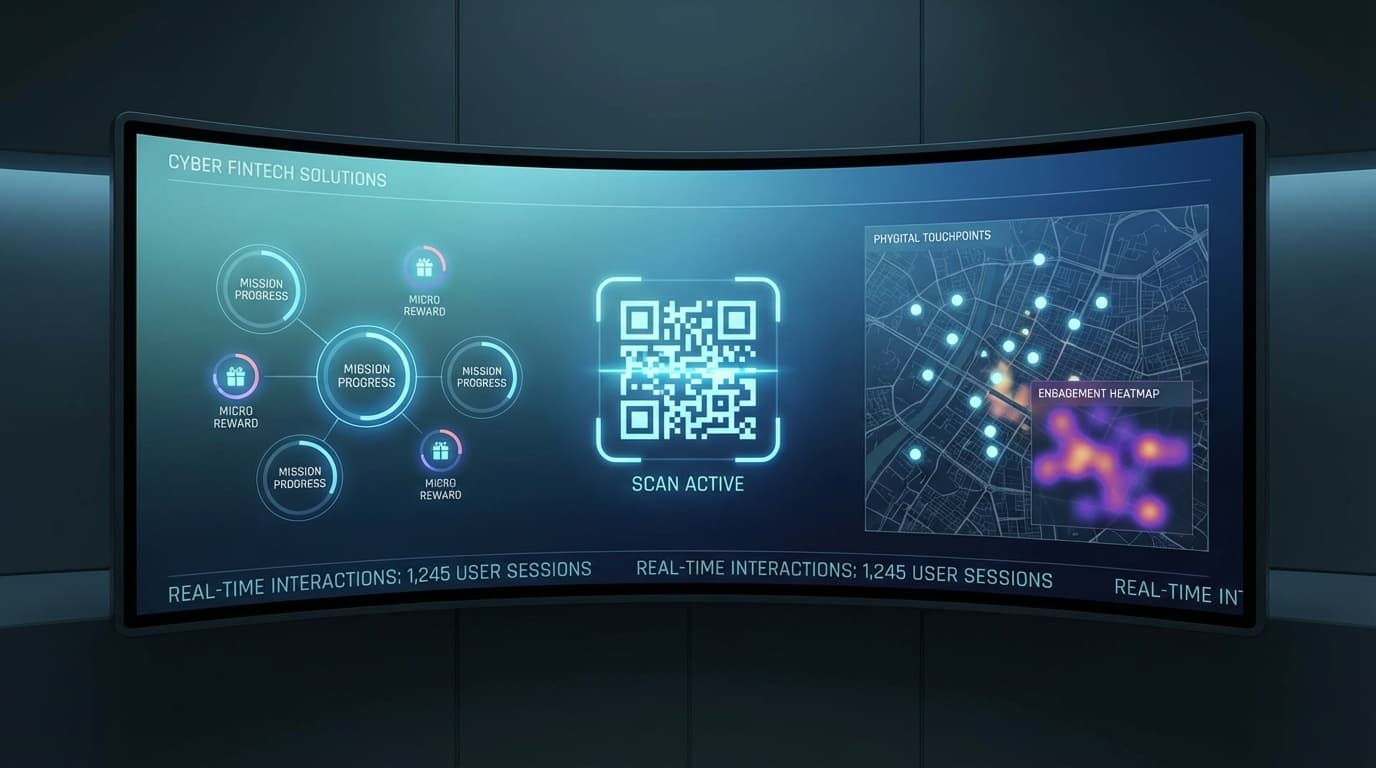
One of the biggest differences is how customers move between environments. They discover online, explore offline, scan physical touchpoints, and follow content loops. Engagement is no longer linear. It is a network of micro interactions. When brands only optimize a single channel, they lose the opportunity to guide the customer across the full experience.
This is why personalized triggers and micro incentives matter. When each small action delivers something meaningful, customers naturally move deeper into the journey. You no longer push them. You attract them. The key is designing experiences where engagement feels natural, not forced.
Brands that adopt engagement mapping will outperform those relying on gut feeling. Using connected QR codes, smart links, and unified analytics, companies can track where attention starts, where it drops, and which incentives bring customers back. This approach lets you adjust the journey weekly instead of launching static campaigns that quickly expire.
Most importantly, customers in 2026 expect interactive value. They want missions, micro challenges, exclusive drops, and gamified touchpoints. They want to engage with curiosity, not obligation. The brands that embrace this expectation lead the attention economy, while those stuck in old models see declining engagement every year.
The pillars of engagement in 2026
- Interactivity: Customers prefer actions over passive consumption.
- Instant Value: Engagement rises when rewards or content drop instantly after an action.
- Personalization: Offers must feel tailored, not generic.
- Phygital Touchpoints: Offline to online interactions drive the strongest response.
- Measurability: Engagement must generate actionable first party data.
These pillars align naturally with what platforms like VISU Products provide: dynamic QR journeys, smart link routing, micro incentives, and real time analytics.
How to Build Real Engagement Across All Touchpoints
To build true engagement, you must stop thinking in terms of channels and start thinking in terms of behavior. Customers behave based on the context they are in. They scan QR codes in physical spaces, browse content when they are idle, respond to incentives when they feel rewarded, and return when journeys feel refreshing. The most effective engagement systems orchestrate behaviors across environments.
Start by mapping the high intent moments in your ecosystem. In retail, this could be the entrance scan, shelf exploration, checkout, and post purchase feedback. In events, it could be pre registration, badge scanning, booth interactions, and sponsor activations. In creator ecosystems, it could be offline engagements, video CTAs, and mission based fan interactions.
Next, attach interactive layers to these touchpoints. For example, a shelf QR could trigger a product comparison tool, a quick quiz, or a micro reward. A creator video could redirect to a mission page. An event booth could offer tiered incentives based on the number of scans completed.
The final step is looping these interactions into a unified experience. When users realize that every engagement leads to something new, their curiosity increases. This compounding curiosity is one of the strongest drivers of retention and repeat engagement in 2026.
Time is the new currency. When you reward even micro slices of it, customers return voluntarily and repeatedly.
Ways to connect engagement across environments
- QR codes that trigger dynamic experiences: Instead of a static landing page, redirect to content that updates based on missions or time.
- Micro rewards for key behaviors: Offering small incentives for scanning, exploring, or returning boosts completion rate.
- First party data loops: Each interaction updates the user profile and improves future personalization.
- Smart link routing: The same link can send different users to different experiences based on behavior history.
- Real time engagement triggers: Events can activate instant rewards, time based missions, or interactive sponsor content.
When everything is connected, customers feel guided, not lost. They understand that every interaction has purpose and payoff.
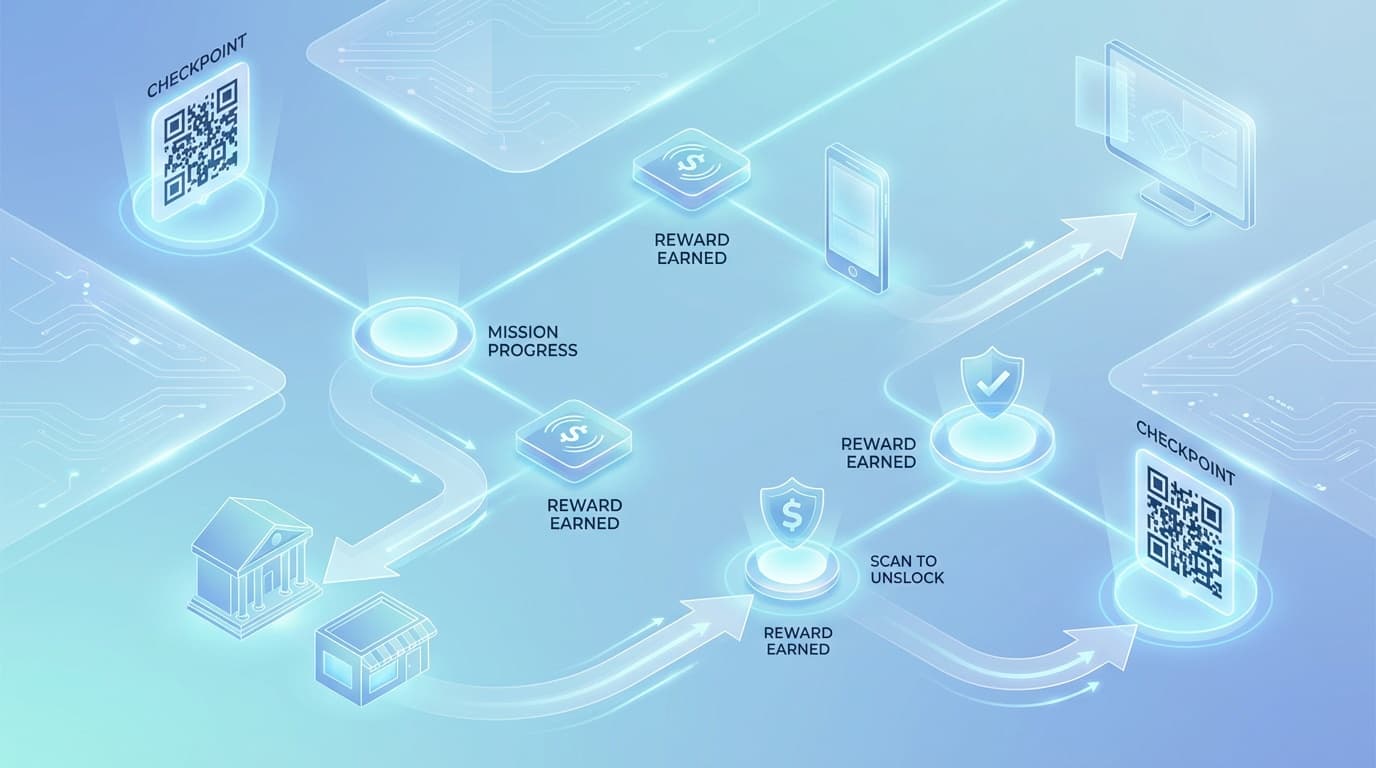
These phygital frameworks are where the highest engagement lifts occur. Offline environments generate the strongest intent, but online experiences scale personalization and content. When you merge the two using QR codes, missions, and micro incentives, the customer journey becomes a continuous loop that no competitor can easily replicate.
It is also the moment where your owned data grows exponentially. Every scan, click, and mission event adds a layer to your profile graphs. This data is the foundation for long term engagement that does not rely on paid ads or platform algorithm changes.
If you want to transform engagement in 2026, you must build systems that reward curiosity and participation, not just conversion.
Interactive Engagement Tactics That Outperform Traditional Methods
The biggest breakthroughs in engagement are coming from interactive journeys. Customers do not want more content they want better moments. These moments happen when the experience feels alive, when it reacts to the user, and when each interaction unlocks the next step.
Mission based journeys are one of the strongest performers in 2026. Instead of sending users into a generic flow, you break the journey into meaningful steps with small rewards, unlockable bonuses, or surprise elements. This structure increases the likelihood of completion and creates a sense of progression similar to mobile games but applied to real world commerce.
Scannable offline touchpoints are also growing. Brands are placing QR codes in entrances, product displays, packaging, and windows, transforming passive surfaces into engagement channels. When these codes trigger dynamic content instead of static pages, customers return to scan more often.
Finally, micro incentives are proving to be one of the most effective engagement tools. Small rewards increase action rate because the payoff is immediate. They do not require complex onboarding or high commitment. Customers engage because it feels light, fun, and rewarding.
These tactics generate strong performance because they align with modern attention patterns. Users want quick actions, instant payoff, and evolving experiences.
High performing interactive tactics in 2026
- Mission flows: Multi step journeys with progress bars and unlockable rewards.
- QR based touchpoints: Offline surfaces leading to dynamic digital experiences.
- Micro incentives: Small instant rewards tied to specific actions.
- Real time personalization: Content that updates based on behavior history.
- Phygital loops: Offline actions unlocking online content that brings customers back offline.
These elements perfectly match the infrastructure available inside VISU Solutions, which help brands connect scanning, routing, journeys, and rewards in a single environment.
Conclusion: Engagement in 2026 Is About Attention, Not Just Actions
Customers in 2026 do not engage more because you ask. They engage more because you make the journey worth their attention. When interactions feel rewarding and personalized, customers return voluntarily. When touchpoints feel alive and connected, engagement compounds. When every step carries purpose, customers move deeper into the experience without friction.
The future belongs to brands that treat engagement like an ecosystem. They do not rely on isolated campaigns. They build continuous loops of value where customers always feel a reason to participate. With platforms that connect QR codes, smart links, triggers, missions, and micro incentives, you can design engagement strategies that work in every industry.
If you want to build a brand that customers interact with daily, not occasionally, you must build engagement frameworks that respect their time and reward their curiosity. That is the real playbook for 2026.
Turn Attention Into Growth
Capture every interaction with VISU.