

Amazon can't walk customers to the shelf, answer questions face-to-face, or hand them exactly what they need in five minutes. You can.
Competing with Amazon isn't about matching their scale or undercutting their prices. That's a losing game. The real opportunity lies in owning what they cannot replicate: speed, human connection, curated experiences, and the ability to turn every visit into a relationship. When you pair these natural advantages with modern tools like QR interactions, personalized rewards, and service excellence, your local store becomes a serious competitor.
This guide breaks down the strategies that help local retailers win. Not by fighting Amazon's strengths, but by doubling down on your own.
Turn Your Store Into a Competitive Advantage
Use experience, personalization, and smart QR campaigns to compete where Amazon can't follow.
Quick video. Earn your first reward.
Use Your Biggest Advantage — Instant Access
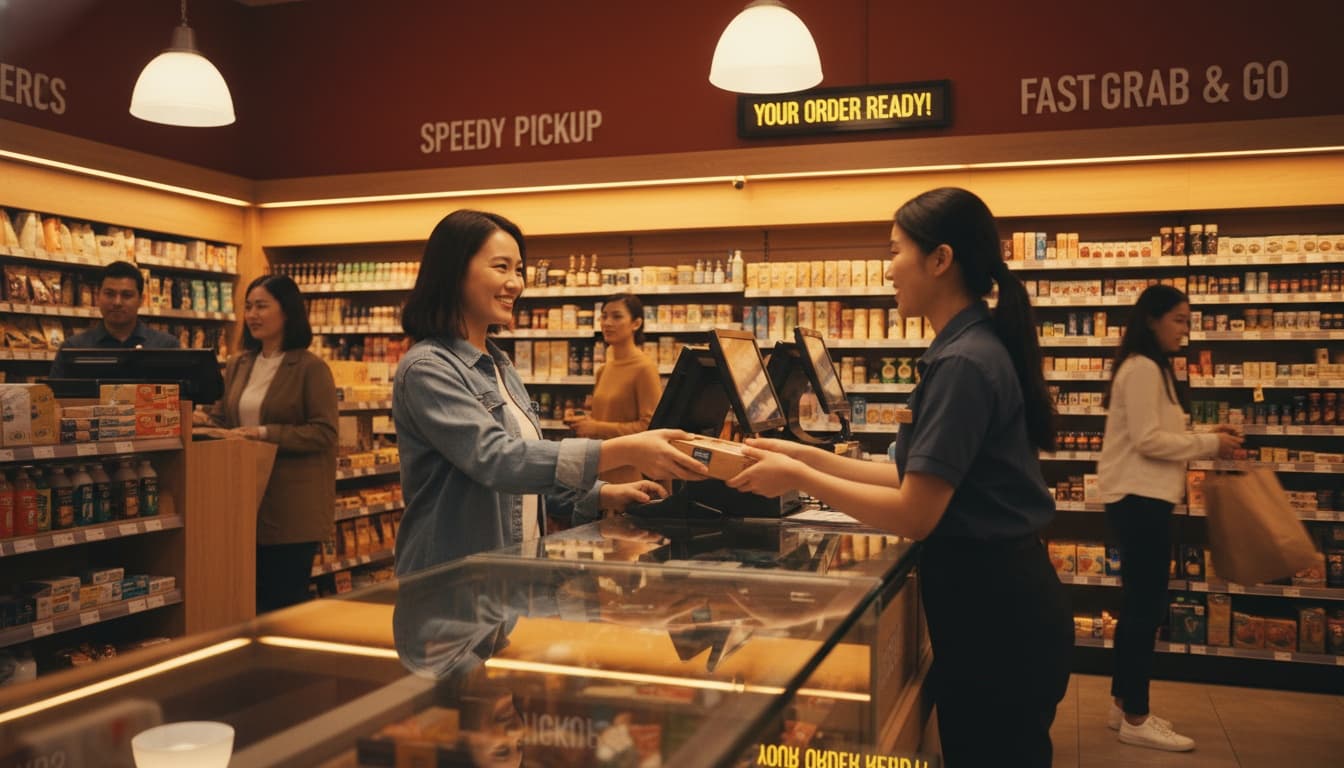
Amazon can deliver fast, but they can't deliver now. When a customer walks into your store, they can leave with the product in hand within minutes. No waiting for shipping. No wondering if the item matches the photo. No porch pirates. This immediacy is one of your most powerful weapons, especially for time-sensitive purchases or customers who want to see, touch, or try before buying.
The key is making this advantage visible. Promote same-hour pickup for popular items. Create a dedicated fast-service counter for quick transactions. Train your team to prioritize speed without sacrificing warmth. When someone needs a gift for tonight's dinner party or a replacement charger before a flight, you win by default. As long as they know you can deliver.
You can amplify this with QR codes in retail that let customers scan products for instant information, availability, or even reserve items before arriving. Speed becomes a system, not just a promise.
Create a Human Experience Amazon Can't Match
Amazon optimizes for efficiency. You can optimize for humanity. There's a reason people still crave real interactions: being recognized, getting a genuine recommendation, having someone actually listen to what they need. These moments create emotional value that no algorithm can replicate.
Think about what makes your best customers feel special. Maybe it's the greeting when they walk in. Maybe it's remembering their usual order or asking about their kids. Maybe it's taking five extra minutes to help them compare options instead of rushing to the next sale. These small touches compound into something Amazon simply cannot offer: a relationship.
Building in-store experiences that feel personal doesn't require a massive budget. It requires intention. Train your staff to engage, not just transact. Create moments of surprise. A handwritten thank-you note, a small freebie for regulars, a genuine compliment. When customers feel cared for, price becomes secondary.
Use Personalization to Build Emotional Loyalty
Amazon personalizes through data. They know what you browsed, what you bought, what you almost bought. But their personalization feels mechanical because it is. Local stores can personalize through real human memory and attention, and that hits differently.
When you remember a customer's name, their sizing preferences, or that they mentioned looking for a birthday gift last time, you're building something Amazon's recommendation engine never will: trust. This kind of personalization makes customers feel seen, not tracked.
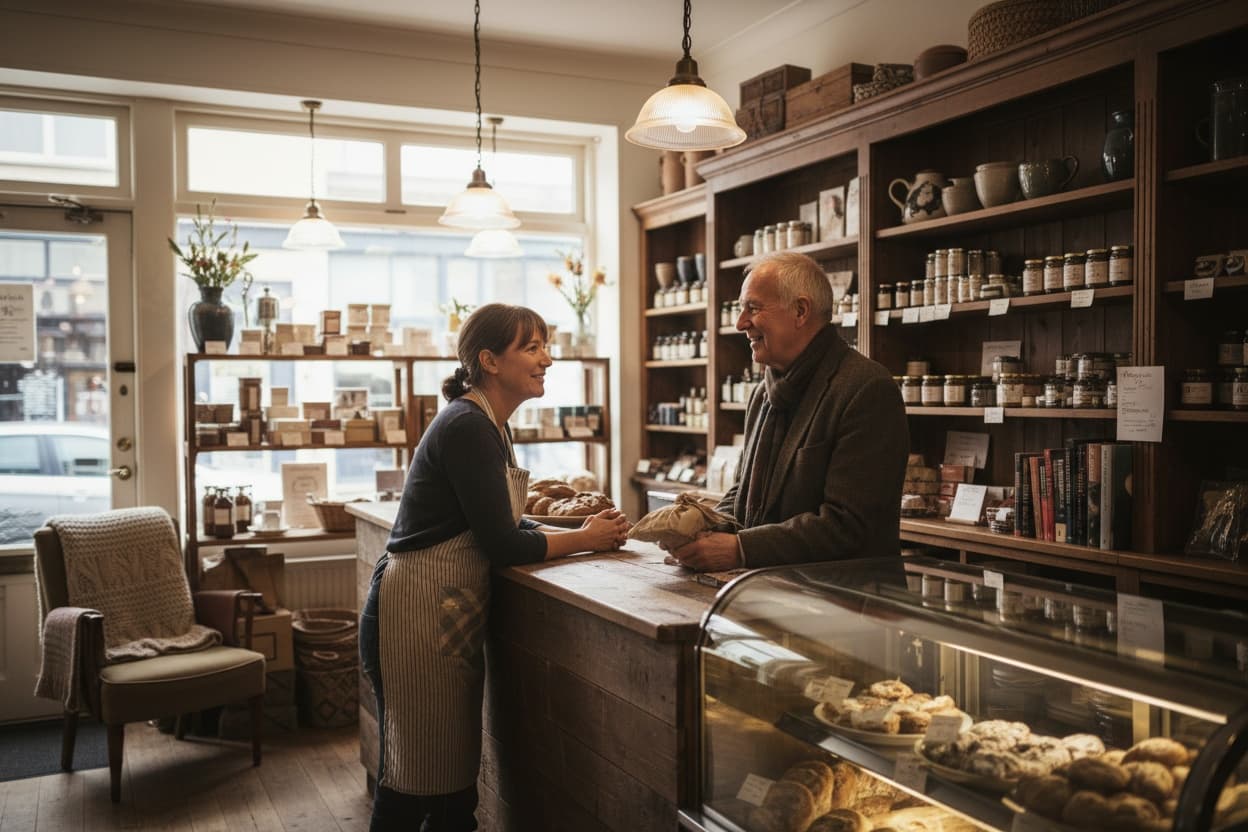
Simple systems help scale this. Keep notes on regular customers. Even a basic spreadsheet works. Use your POS system to track purchase history. Better yet, implement tools that collect customer data through natural interactions like QR scans or loyalty check-ins. The goal isn't to be creepy; it's to be thoughtful. There's a big difference between "our system shows you bought X" and "I remember you loved that jacket. We just got something similar you might like."
Build Loyalty That Algorithms Can't Touch
Collect first-party data and create personalized experiences that keep customers choosing you over Amazon.
Quick video. Earn your first reward.
Turn Every Visit Into a Reward-Based Journey
Amazon trains customers to return through convenience and habit. Prime membership creates lock-in. Free shipping removes friction. You need your own habit-forming mechanism, and retail loyalty programs are one of the most effective tools available.
But forget the old punch-card mentality. Modern loyalty isn't just about "buy 10, get 1 free." It's about making every visit feel rewarding, even before the purchase. Think micro-rewards for checking in. Points for scanning products to learn more. Bonuses for referring friends or trying new categories. The psychology here matters: when customers feel like they're gaining something each time they walk through your door, they come back more often.
Gamification works. Let customers unlock tiers, earn badges, compete on leaderboards. Create limited-time missions like "Visit 3 times this month and unlock a mystery reward." These mechanics tap into the same psychological triggers that make apps addictive, but in service of real-world relationships. Your store becomes somewhere they want to visit, not just somewhere they shop.
Win With Service Excellence and Problem Solving
Here's Amazon's dirty secret: their post-purchase experience often sucks. Returns require printing labels, driving to drop-off points, waiting days for refunds. Customer service means chatbots, automated emails, and phone trees. When something goes wrong, customers feel like a ticket number.
You can fix problems in minutes. Face to face. With empathy. This is an enormous competitive advantage that most local retailers underutilize.

Make returns painless. Handle exchanges on the spot. When a customer has a complaint, treat it as an opportunity to create a story they'll tell their friends: "I had this issue, and they fixed it immediately. Even gave me a discount for the trouble." These moments build more loyalty than any marketing campaign. People pay for peace of mind, and peace of mind comes from knowing that when something goes wrong, a real human will make it right.
Use QR Codes to Merge Physical and Digital Strengths
Amazon dominates digital. But who says physical stores can't be digital too? QR codes let you offer the information depth of e-commerce within the tactile experience of your shop. Customers can scan to compare specs, watch quick demos, check reviews, or save items for later. All without downloading an app or flagging down staff.
The applications go beyond information. QR codes can power instant rewards: scan this product to unlock 10% off your next visit. They can enable self-guided experiences: scan each station in the store to learn the story behind the products. They can facilitate data collection: every scan tells you what customers are interested in, even if they don't buy today.
This turns your physical space into a hybrid experience that plays to both your strengths and the digital conveniences customers have come to expect. It's not about copying Amazon. It's about beating them at their own game while they're stuck behind a screen. The key is making QR interactions feel natural and valuable, not gimmicky. If you want to increase foot traffic to your retail store, QR-driven experiences give people a reason to visit that browsing online can't replicate.
Build Community Connection as Your Strongest Differentiator
Amazon doesn't belong anywhere. They're everywhere and nowhere. Your store is part of a community. A neighborhood, a town, a local identity. This matters more than most retailers realize.
People want to support local businesses. They like knowing their money stays in the community, that they're helping a real person rather than enriching a distant corporation. But you can't assume this loyalty; you have to earn it and reinforce it constantly.
Partner with other local businesses for cross-promotions. Host small events like product demos, workshops, or community meetups. Feature local makers or artisans. Put your story on the wall: who you are, why you started, what you care about. Support local causes visibly. When customers feel like buying from you is an act of community participation, not just commerce, you've built something Amazon can never touch.
The emotional connection here runs deep. It's the difference between a transaction and a relationship. Between a purchase and a statement. Local retailers who lean into community don't just compete with Amazon. They exist in a different category entirely. For more ideas on connecting visits to long-term value, explore how to get paid for your attention as both a retailer and a customer.
Turn Store Visits Into Loyal Customers
Join retailers using VISU to boost foot traffic, collect first-party data, and drive repeat purchases with smart QR campaigns.
FAQ — Competing With Amazon as a Local Store
Can a local store really compete with Amazon on price?
Competing on price alone is usually a losing strategy. Amazon's scale gives them cost advantages most local stores can't match. Instead, compete on value, which includes service, speed, experience, and trust. Many customers will pay a modest premium for immediate access, personal attention, and the peace of mind that comes with buying from someone they know. Focus on making price less relevant rather than trying to win on price directly.
How do loyalty programs help fight Amazon?
Loyalty programs create habit and emotional investment. When customers earn rewards, unlock tiers, or feel recognized for their patronage, they develop a relationship with your store that goes beyond any single transaction. Amazon has Prime, but that's transactional lock-in. Your loyalty program can create genuine affection and community belonging, something that's much harder to cancel. Learn more about building effective retail loyalty programs.
Why are QR codes effective for local retail?
QR codes bridge the gap between physical and digital retail. They let customers access product information, comparisons, and reviews instantly, conveniences they'd normally need Amazon for, while still benefiting from the tactile, immediate experience of your store. QR codes also enable frictionless rewards, data collection, and interactive experiences that make shopping more engaging. Check our complete QR codes in retail guide for implementation ideas.
What's the single biggest advantage local stores have over Amazon?
Human connection and instant access. Amazon can't look you in the eye, remember your name, answer nuanced questions, or hand you a product to take home today. These advantages compound when combined: a knowledgeable staff member who knows your preferences and can solve problems on the spot offers something no algorithm can replicate. Build on these strengths rather than trying to match Amazon's weaknesses.
How can I make my store feel more experiential?
Focus on moments that engage the senses and emotions. Let customers touch, try, and interact with products. Create visual displays that tell stories. Train staff to guide rather than sell. Add unexpected touches: music, scent, comfortable seating, refreshments. Host events that give people a reason to visit beyond buying. Every element that makes your store a destination rather than just a shop strengthens your position against Amazon. For more ideas, see our guide on in-store experiences that drive sales.
How do I collect customer data without being creepy?
Transparency and value exchange. Be clear about what data you're collecting and why. Offer something in return: a discount, reward points, early access to sales. Use the data to genuinely improve their experience, not just to bombard them with marketing. Natural collection points include loyalty programs, QR interactions, and simple conversation. The goal is to be helpful, not invasive. Our guide on how to collect customer data in physical stores covers this in detail.
Is it worth investing in retail technology to compete with Amazon?
Yes, but strategically. You don't need to match Amazon's tech budget. You need tools that amplify your existing strengths. QR codes for product information and rewards. Simple CRM to track customer preferences. Modern POS systems that speed up checkout. The right technology removes friction and enhances the human experience rather than replacing it. Start with one or two high-impact tools and expand from there.