

Just a few years ago, QR codes were dismissed as outdated technology, relegated to failed marketing experiments. Today, the story is completely different. Driven by the pandemic and accelerated retail digitalization, QR codes have become ubiquitous across digital menus, instant payments, interactive packaging, and phygital experiences at events.
But there is a crucial difference between simply placing a QR code anywhere and using it strategically to generate real engagement, collect valuable data, and create continuous revenue streams. Understanding QR code marketing fundamentals and the difference between dynamic vs static QR codes is essential for any performance-driven implementation.
In this guide, you will discover the best practices for QR code design and placement, and how to elevate this technology to drive measurable results. Consumers can even get paid for their attention when engaging with well-designed QR experiences.
Get Paid to Scan QR Codes
Turn your attention into real rewards. Scan, engage, earn.
Quick video. Earn your first reward.
The Evolution of QR Code Best Practices
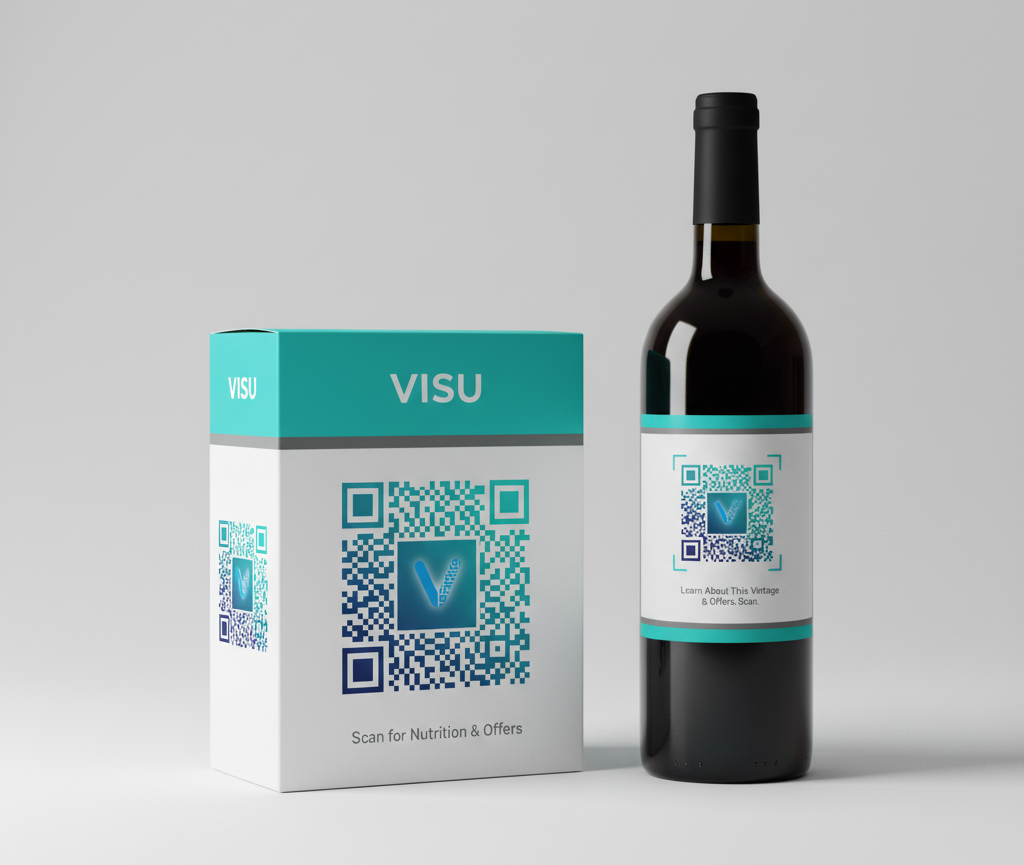
QR codes have long been a tool for bridging physical and digital experiences. For years, brands relied on static codes that simply redirected to a website. While functional, traditional QR implementations were limited in tracking, personalization, and fraud prevention.
Modern QR code best practices change everything. With dynamic codes, businesses access personalized experiences that are measurable, secure, and instantly actionable. Companies eliminate guesswork while gaining real-time insights into campaign performance. Advanced platforms take this further by integrating digital rewards, multi-layer referrals, and comprehensive analytics into a unified ecosystem.
Why Following QR Code Best Practices Matters
Frictionless Customer Experience
Gone are the days of broken links or confusing redirects. Customers simply scan a QR code, and relevant content appears instantly in their browser or app, ready to engage. This seamless experience dramatically increases engagement rates, often reaching 8 to 15 percent scan-to-action compared to poorly designed codes that achieve less than 2 percent.
Enhanced Security and Fraud Prevention
Unlike static codes that can be easily duplicated or hijacked, dynamic QR codes use secure technology. Each scan can generate a unique, trackable link that prevents unauthorized manipulation. Brands maintain tighter control over their campaigns while minimizing security risks.
Intelligent Personalization
QR codes connect to dynamic URLs that adapt based on customer data, location, or time. A restaurant chain can automatically serve happy hour menus after 5 PM, while retail stores can tailor offers based on purchase history. This level of personalization drives higher engagement and customer satisfaction.
Complete Visibility and Analytics
Static codes leave businesses guessing about performance. Dynamic QR codes provide precise, actionable metrics. Track impressions, scans, conversions, and downstream actions through intuitive dashboards. Connect this data back to revenue for a complete picture of campaign performance. Learn more about QR code tracking capabilities.
QR Code Design Best Practices
Choose Dynamic Over Static
Static QR codes have fixed destinations. They are useful for permanent information but limited for campaigns. Dynamic QR codes offer editable destinations, trackable analytics, and enhanced security. For any performance-driven use case, dynamic codes are essential.
Craft Compelling Calls to Action
A QR code alone will not motivate action. Add clear, benefit-focused text such as "Scan for 20% Off," "Get Your Free Guide," or "Unlock Exclusive Access." The CTA should make the value immediately obvious.
Optimize Technical Specifications
Ensure QR codes are at least 2×2 cm with strong color contrast. Maintain the quiet zone around the code. Avoid glossy or curved surfaces that interfere with scanning. Test codes before large-scale printing or deployment. Understanding QR code data capacity helps optimize what information you encode.
Brand Without Breaking Functionality
You can add logos and brand colors to QR codes, but test thoroughly. Error correction allows for some customization, but excessive modification can reduce scan reliability. Balance aesthetics with functionality.
Ready to Innovate Your Customer Experience?
See how businesses use VISU to turn QR scans into measurable engagement.
QR Code Placement Best Practices

Physical Touchpoints
Print QR codes directly on product packaging, shelf displays, table tents, or checkout counters. Customers scanning during their shopping or dining experience receive instant value. Position at eye level in high-dwell zones. Restaurants see particularly strong results with table placement.
Traditional Media Reimagined
Transform static printed materials into interactive experiences. Posters, flyers, and outdoor advertisements become digital gateways when enhanced with QR codes. Ensure codes are sized appropriately for viewing distance.
Digital Marketing Integration
Embed QR codes in email campaigns, SMS messages, and social media posts to create seamless bridges between digital touchpoints and conversions. Even digital QR codes benefit from dynamic tracking.
Event and Venue Placement
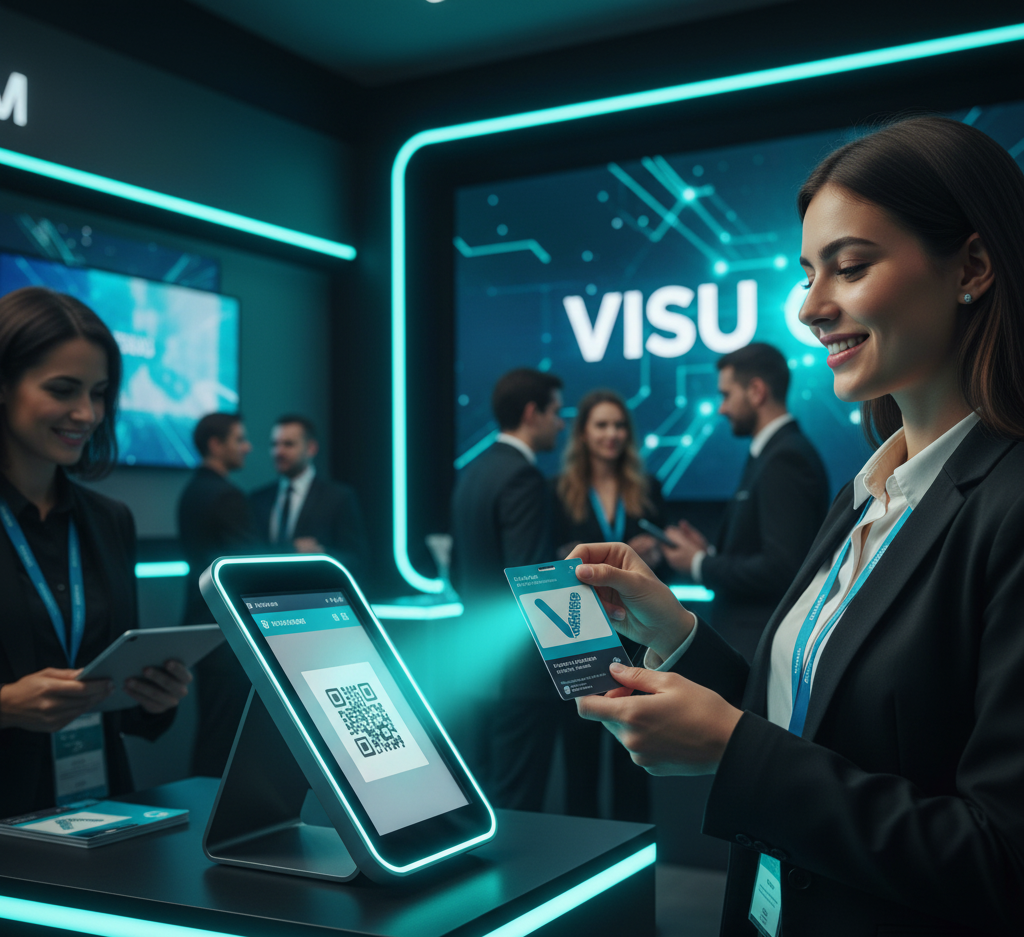
At events, place codes on badges, signage, sponsor materials, and session seats. High-traffic areas with natural dwell time like registration desks and food stations see the highest scan rates.
The VISU Advantage: Best Practices Built Into the Platform
While any business can create basic QR codes, VISU transforms them into a comprehensive marketing ecosystem that combines engagement, rewards, and analytics.
Intelligent Campaign Management lets you create sophisticated campaigns with audience segmentation by demographics, location, or referral source. Real-Time Performance Dashboards let you monitor scans, conversions, and ROI in a unified interface.
Viral Referral Mechanics mean QR codes spread organically through multi-layer referral systems, with rewards distributed to users and those who referred them. Digital Reward Distribution moves beyond static redirects. VISU enables QR codes to deliver instant rewards, tokens, or personalized experiences.
Real World Success
Consider a restaurant that prints QR codes on table tents with "Scan for 15% off your next visit." Customers scan, engage with a short offer, and receive their discount. The restaurant tracks scans and redemptions in real time while VISU automatically distributes rewards to users and referrers. The result is measurable: higher return visits, increased customer lifetime value, and reduced marketing waste.
A reliable QR code generator for business makes implementing these best practices straightforward.
Measuring Success and Maximizing ROI
The true power of QR code best practices lies in measurability. Modern analytics enable businesses to track every scan with UTM parameters and detailed analytics, segment users by campaign source, geography, or referral layer, compare performance across placements and creative variations, and close the attribution loop by connecting scan data directly to revenue.
VISU enhances this capability by providing insights beyond basic scans. Monitor engagement patterns, analyze referral chains, and track cumulative rewards distributed across your network.
The Future of QR Code Marketing
QR codes have evolved from simple redirects into dynamic, trackable, and personalized digital assets. Businesses that embrace QR code best practices today position themselves ahead of competitors in both customer engagement and marketing intelligence.
With platforms like VISU Network, companies can elevate their strategy even further, launching campaigns that seamlessly combine engagement, advertising, multi-layer referrals, and rewards, all while maintaining real-time visibility into ROI.
The question is not whether to adopt QR code best practices, but how quickly you can implement them to start turning every scan into measurable engagement and sustainable growth.
Transform Every Scan Into Revenue
Join businesses already using VISU for gamified QR experiences.