

You set up your food truck at what looks like a perfect spot. Foot traffic seems decent. You wait. And wait. A few curious looks, maybe one or two sales, but nothing close to what you imagined. Meanwhile, the taco cart two blocks away has a line around the corner. Same neighborhood, completely different results.
The difference usually isn't the food. It's not even the location. It's how each vendor attracts and keeps attention. The good news? You don't need a marketing budget to do this. You need a system.
Get Paid to Scan QR Codes
Food trucks want your attention. Make it worth your while—scan and earn rewards.
Quick video. Earn your first reward.
Why Some Vendors Always Have a Line and Others Don't
It's tempting to think successful street food vendors got lucky with their spot or have some secret recipe. The reality is less romantic but more useful: they built visibility systems that work even when they're not physically present.

The vendor with a line didn't wake up with one. They built recognition over weeks or months. They showed up consistently at the same spot. They made their truck visually impossible to ignore. They gave people reasons to come back and tell others.
Most importantly, they stopped thinking of themselves as just a food seller. They started thinking like a local brand. And when it comes to making real money, understanding the economics of street food profit is just as important as the food itself.
Your Truck Is a Billboard. Use It.
Every minute your food truck, trailer or cart is parked somewhere, it's either attracting attention or being ignored. There's no neutral. The visual presentation of your setup is your first marketing tool, and it costs nothing extra once it's done right.
Think about what makes someone stop and look. Bold colors. Clear signage that says exactly what you sell. Photos of your food that make people hungry. A name they can remember and search later.
Your packaging works the same way. Every bag, box and napkin that leaves your truck is a mobile ad walking through the neighborhood. If it's memorable, people ask where it came from.
Think about it: A customer eating your food in the park is a walking billboard. Make sure your packaging tells people where to find you.
Location Is Not Just About Foot Traffic
The obvious play is to park where people already are. Office districts at lunch. Events on weekends. Bar areas late at night. That works, but it's also what everyone else does.
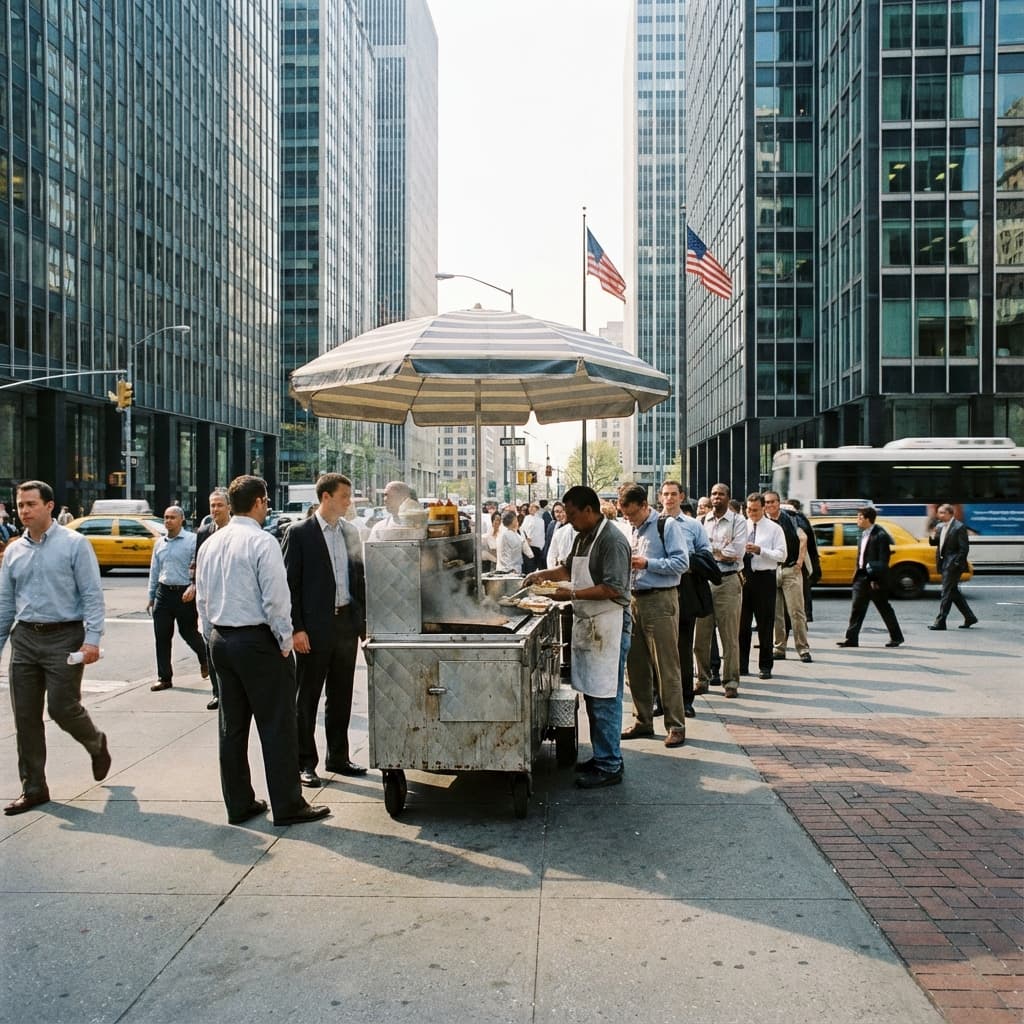
The smarter play is to find underserved spots with the right type of customer. A residential neighborhood with no food options after 7pm. A gym parking lot after classes. A coworking space with no good lunch nearby.
These spots have less competition and more grateful customers. People remember the truck that showed up when nobody else did. And once you've found your spot, setting up Google Business for your street food operation helps locals find you even when they're not walking by.
Turn Attention Into Income
Brands pay for engagement. Get rewarded every time you scan and interact.
Quick video. Earn your first reward.
Social Media Without Spending a Dollar
You don't need to pay for ads to make Instagram work for you. But you do need to use it strategically, not randomly.
Instagram for food trucks works best when you focus on three things: showing where you are today, making people hungry with food photos, and giving them a reason to follow for updates.
Post your location every day you're open. Use local hashtags. Tag the neighborhood. Reply to every comment and DM. This isn't extra work. This is how you build a local following that actually shows up.
The vendors who complain that social media doesn't work are usually the ones posting randomly with no location info and wondering why nobody comes.
Turn Every Customer Into a Repeat Customer
Getting a new customer to your truck costs time and effort. Getting an existing customer to come back costs almost nothing, if you have a way to reach them.
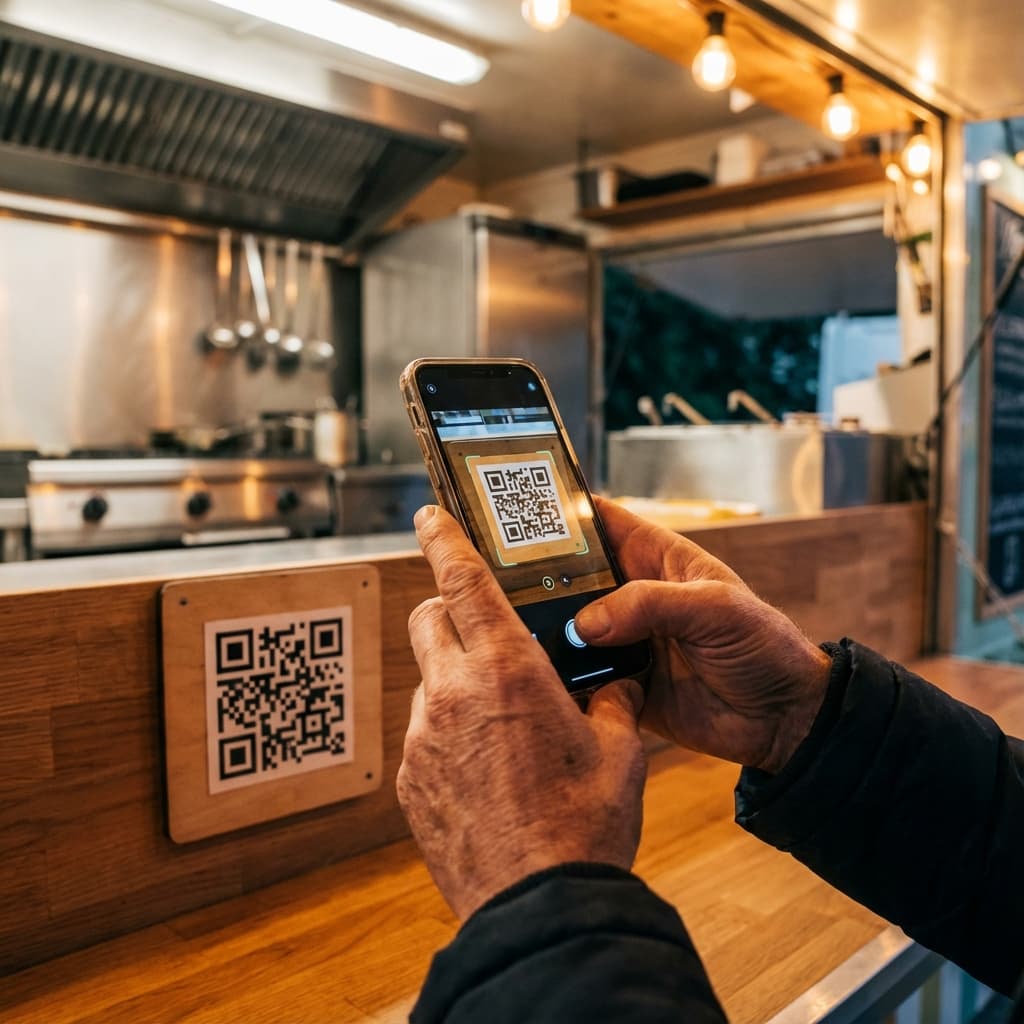
This is where most street vendors fail. They serve someone great food, that person leaves happy, and then there's no connection. No way to tell them when you're back in their area. No way to offer them something special. No way to remind them you exist.
A simple QR code on your counter or packaging changes everything. Scan it, join your list, get notified when you're nearby. Now you're not hoping they remember you. You're showing up in their pocket.
Events are perfect for this. You serve hundreds of people in one day. If even 20% scan your code, you just built an audience you can reach anytime. And once they're in your system, building real customer loyalty becomes much easier than starting from scratch every day.
Word of Mouth Is Not Luck. It's Design.
People talk about experiences that surprise them. The unexpectedly good food. The friendly vendor who remembered their order. The creative packaging. The unexpected freebie.
None of these cost money. They cost intention. Every interaction is a chance to give someone a story worth telling.
The taco cart with the line didn't get lucky. They designed every touchpoint to be memorable. And when you do that consistently, word of mouth stops being random and starts being predictable.
At the end of the day, this is all about one thing: getting paid for your attention to the details that actually matter. The vendors who pay attention to customer experience, visibility, and retention are the ones building real businesses, not just selling food.
Turn Every Customer Into a Regular
Join food trucks using VISU to build loyalty, capture leads, and increase sales with smart QR campaigns.
FAQ — Attracting Customers to Street Food
How do I attract customers to my food truck without paid ads?
Focus on visual presentation, consistent location presence, strategic social media posting with location tags, and capturing customer contacts for direct communication. These cost time, not money.
What is the best social media platform for food trucks?
Instagram works best for most food vendors because it's visual and location-based. Post daily with your location, use local hashtags, and engage with every comment. TikTok can work for viral moments but Instagram builds consistent local following.
How important is location for a food truck?
Location matters, but not the way most people think. High foot traffic means high competition. Sometimes underserved areas with less traffic but the right customers perform better because you become their only option.
How do food trucks build a loyal customer base?
By capturing contact information and giving customers a reason to return. A simple QR code offering loyalty rewards or location updates turns one-time buyers into regulars who follow your schedule.
Does packaging really help attract customers?
Yes. Every piece of packaging that leaves your truck is a mobile advertisement. Memorable packaging with your name and social handle turns your customers into walking billboards in the neighborhood.
How do I get customers to come back?
Give them a reason and a reminder. Capture their contact with a QR code, offer loyalty rewards, and notify them when you're in their area. The vendors who build a list never start from zero.