

One of the most common questions businesses ask when starting their QR code journey is whether QR codes are free to create and use. The short answer is yes — but the complete answer reveals why free solutions often cost businesses more than they save, and why strategic investment in QR code infrastructure separates successful campaigns from digital dead ends.
Why the "Free QR Code" Question Matters More Than Ever
QR code usage has experienced explosive growth since 2020, with Statista reporting that 89 million Americans scanned QR codes in 2022 alone, a figure projected to exceed 100 million by 2025. This mainstream adoption means businesses can no longer treat QR codes as simple conveniences — they've become critical touchpoints in the customer journey. The choice between free and paid QR code solutions now directly impacts marketing ROI, customer data collection, and brand security.
Static QR Codes: The Free Option and Its Fundamental Limitations
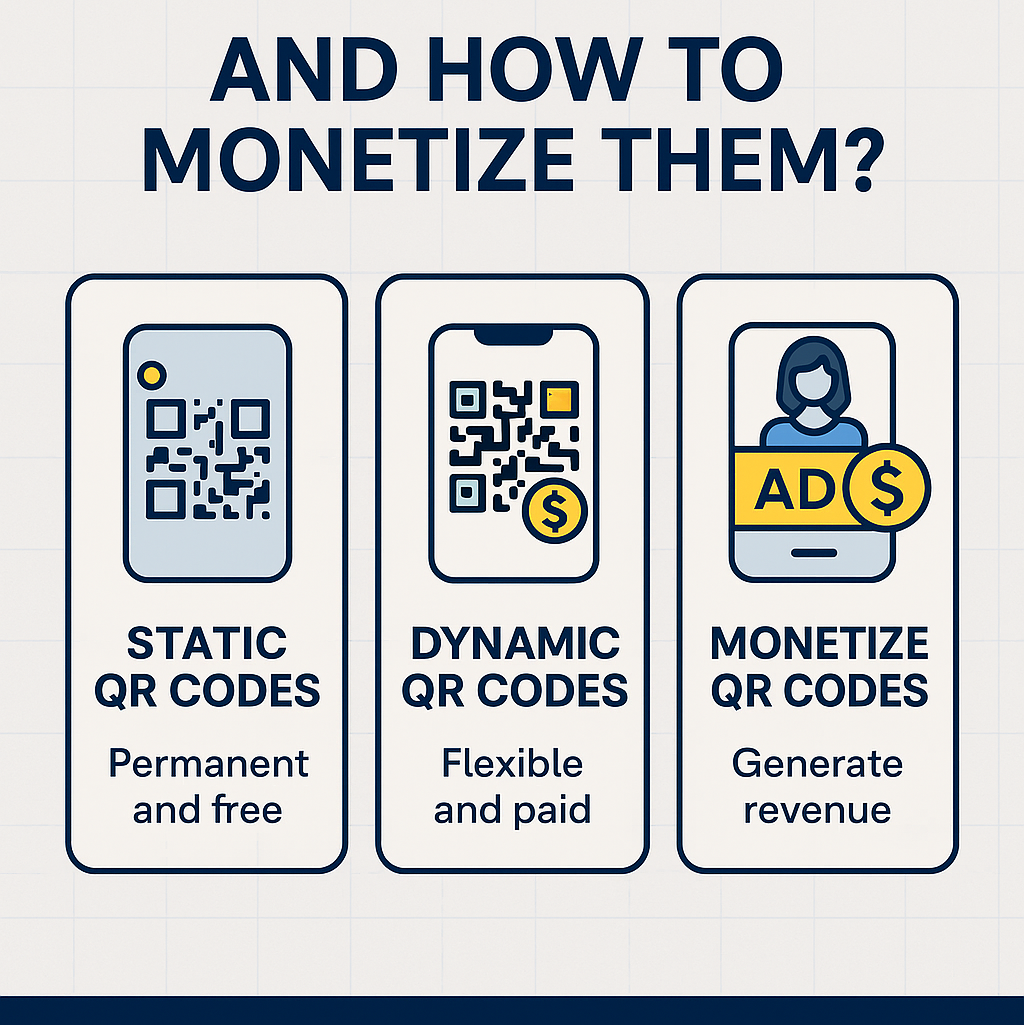
Static QR codes encode data directly into their pattern and can be generated for free using dozens of online tools. The code itself contains the complete URL or information, meaning once created, the destination cannot be changed without generating an entirely new code.
Free static QR codes work well for specific use cases where permanence is acceptable. Business cards that won't change, fixed Wi-Fi network access, personal vCards with stable contact information, and simple website links for materials with short lifespans all represent legitimate applications. For a wedding invitation linking to an RSVP page that exists for a few months, a free static code is entirely sufficient.
However, static codes become problematic at scale. A restaurant that prints 10,000 menus with static QR codes linking to their online menu cannot update that link if they change menu platforms or restructure their website. The physical menus become obsolete, representing both wasted printing costs and lost customer engagement opportunities.
The Hidden Costs That Make "Free" Expensive for Businesses
When businesses scale QR code usage beyond personal projects, free solutions introduce significant hidden costs that compound over time.
Reprinting Costs When Destinations Change
Marketing campaigns evolve, websites restructure, and landing pages update. A retail chain using static codes on window signage across 200 locations faces thousands of dollars in reprinting costs when a single URL changes. Dynamic codes solve this by allowing destination updates without touching physical materials.
Lost Analytics and Attribution Blindness
Static codes provide zero visibility into scan behavior. Businesses cannot determine which locations drive the most engagement, what times generate peak activity, or which campaigns convert. According to HubSpot, companies using tracked marketing links see up to 30% improvement in media spend efficiency because they can optimize based on real data rather than assumptions.
Security Vulnerabilities Without Monitoring
Unmonitored QR codes become potential vectors for QRishing attacks when used in public spaces. If someone places a malicious sticker over your static code, you have no way to detect the compromise until customers report problems. Dynamic codes with real-time monitoring can flag unusual scan patterns that indicate tampering.
Missed Engagement and Revenue Opportunities
Free codes cannot support time-sensitive promotions, A/B testing, geographic targeting, or personalized experiences. A clothing retailer cannot run a flash sale by updating their existing in-store codes — they would need to create and distribute entirely new materials for each promotion.
Dynamic QR Codes: Investment That Generates Measurable Returns
Dynamic QR codes store a short redirect URL rather than the final destination, enabling destination changes without modifying the physical code. This fundamental technical difference unlocks capabilities that transform QR codes from static links into active marketing channels.
Real-Time Destination Control and Campaign Flexibility
Update where your codes point instantly through a dashboard. Rotate seasonal promotions, fix broken links, or redirect traffic based on inventory without reprinting. A single QR code on product packaging can point to different landing pages throughout the product lifecycle.
Comprehensive Scan Analytics and Attribution
Track every scan with details including timestamp, geographic location, device type, operating system, and browser. Attribute conversions to specific physical placements. Understand which store locations, packaging types, or marketing materials drive the highest engagement rates.
Visual Customization and Brand Integration
Professional dynamic QR code platforms allow logo embedding, color customization, and frame design that aligns with brand identity. Research from MarketingProfs indicates that branded QR codes achieve up to 40% higher scan rates than generic black-and-white patterns because they signal legitimacy and intentional design.
Expiration Controls and Access Management
Set codes to expire after specific dates, scan counts, or campaign periods. This prevents confusion from outdated promotions and enables time-limited offers that create genuine urgency.
Real-World Applications: When Free Works and When Investment Pays
The decision between free and paid QR codes depends entirely on use case, scale, and business objectives.
Scenarios Where Free Static Codes Are Appropriate
Personal use cases like sharing Wi-Fi passwords, creating contact cards for networking events, or linking to stable personal websites work perfectly with free static codes. Small one-time events where the code serves a single purpose with no need for updates or tracking also justify the free approach. If you're printing 50 flyers for a garage sale, analytics are irrelevant.
Scenarios Where Dynamic Investment Becomes Essential
Any business application involving physical materials at scale benefits from dynamic codes. Product packaging, print advertising, signage, event materials, and point-of-sale displays all represent investments that outlive individual campaigns. According to Scanova, businesses using dynamic QR codes report 4-5x higher campaign effectiveness due to optimization capabilities and attribution clarity.
E-commerce brands using QR codes on packaging have seen particularly strong results. When customers scan to register products, join loyalty programs, or access exclusive content, dynamic codes enable ongoing relationship building that static codes cannot support.
Monetization Potential: Turning QR Codes Into Revenue Channels
Beyond cost avoidance, dynamic QR codes create direct monetization opportunities that free codes cannot access.
First-Party Data Collection at Scale
Uniqode research shows that 95% of companies now use QR codes specifically for first-party data collection. Each scan represents a voluntary customer touchpoint where businesses can collect email addresses, preferences, and behavioral data without relying on third-party cookies or tracking pixels.
Referral and Viral Mechanics
Platforms like VISU enable multi-layer referral tracking where customers who share QR codes receive rewards when their referrals scan and convert. This transforms passive scanners into active promoters, multiplying reach without additional advertising spend.
Tokenized Rewards and Loyalty Integration
Dynamic QR codes can trigger instant digital rewards — cryptocurrency tokens, points, discounts, or exclusive access. The immediacy of scan-to-reward creates engagement loops that drive repeat behavior and customer lifetime value.
Attribution for Physical Marketing ROI
QR codes solve the attribution problem for physical marketing channels. When a customer scans a code on a billboard, transit ad, or in-store display and later purchases, businesses can calculate true ROI for channels that were previously difficult to measure.
The VISU Approach: QR Codes as Revenue Infrastructure
VISU treats QR codes not as simple redirect tools but as complete engagement infrastructure. The platform combines dynamic QR code management with features specifically designed for business monetization and customer acquisition.
Multi-stakeholder value distribution allows businesses, affiliates, and customers to share in the value created by each scan. Real-time analytics dashboards provide scan-level detail with geographic, temporal, and device segmentation. Tokenized reward distribution enables instant, verifiable incentives that drive behavior. Fraud prevention mechanisms protect against bot scans and manipulation that would skew data and waste rewards.
For businesses treating QR codes as a serious customer acquisition channel rather than a convenience feature, infrastructure investment pays for itself through improved conversion rates, reduced marketing waste, and new revenue streams.
Transform QR Codes Into Revenue-Generating Assets
VISU provides enterprise-grade QR code infrastructure with dynamic management, comprehensive analytics, and built-in monetization tools.
Making the Right Choice for Your Specific Needs
The question "Are QR codes free?" has a nuanced answer that depends on what you're trying to accomplish. For personal use and small-scale projects, free static codes work perfectly well. For business applications where QR codes touch customers, influence purchasing decisions, or represent the brand, investing in dynamic infrastructure generates returns that far exceed costs.
The most expensive QR code is one that fails to perform — driving customers to broken links, providing no visibility into effectiveness, or missing opportunities for engagement and conversion. Free tools are genuinely free, but they limit what's possible. Paid platforms are genuinely investments, but they unlock capabilities that transform QR codes from passive links into active business assets.