

QR codes on packaging are redefining how consumers relate to brands at the most intimate point of contact: the product itself. A simple box, label, or bag can transform into an interactive channel, opening space for digital experiences, exclusive content, and personalized campaigns.
More than a trend, using QR codes on packaging is a movement shaping the future of communication between companies and customers. If you are a retailer, producer, or marketer looking to stand out, understanding this strategy is essential.
Connecting Physical and Digital: How Smart Packaging Works
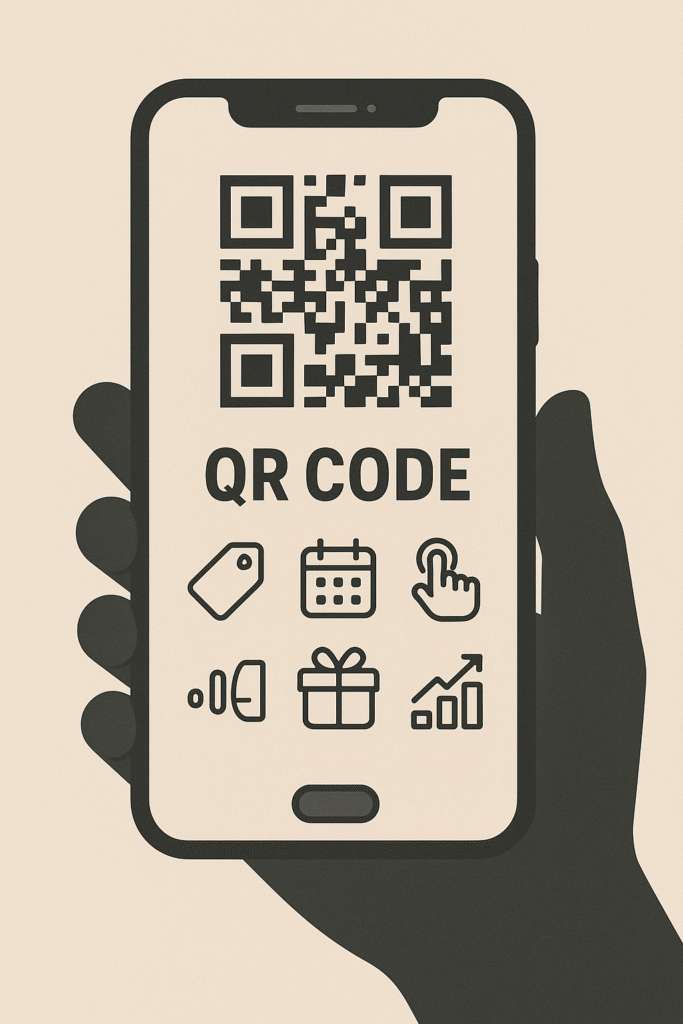
For decades, packaging was seen only as logistical support or limited advertising space. With QR code technology on packaging, this role expands: the code creates an instant bridge between the physical and digital worlds.
A label can lead to an exclusive playlist. A cereal box can open an interactive game for children. A cosmetic can guide the customer to usage tutorials or videos explaining ingredients. The potential is unlimited, and the simplicity of the gesture, scanning with a phone, reduces adoption barriers.
According to QR Code statistics for 2025, more than 1 billion people scanned QR codes in 2024, a number that grows year over year driven by the increase in mobile commerce. Packaging thus becomes an experience hub, far beyond transporting or protecting a product.
Strategic Advantages: Why Invest in Smart Packaging
Beyond the technological factor, QR codes on packaging offer strategic advantages for companies seeking differentiation and proximity to their consumers.
Immediate Engagement with Digital Content
It allows telling stories and expanding information without depending only on physical design. The packaging transforms into an additional touchpoint with the customer.
Consumer Transparency and Trust
Codes can direct to nutritional information, origin certifications, or environmental reports. This is especially valuable in food, cosmetics, and sustainable product sectors.
Reduced Operational Costs
Reduces the need for additional printed materials, manuals, or phone customer service. Smart packaging saves physical space while multiplying digital content.
Precise Results Measurement
Each scan generates data about behavior, location, and preferences. This transforms your packaging into a market intelligence tool.
According to McKinsey research on consumer behavior, brands that offer digital experiences in post-purchase achieve up to 40 percent more loyalty. In this sense, using packaging with QR codes is a strategic asset to increase Lifetime Value.
Success Cases: Brands Innovating with Smart Packaging
Various companies, from global giants to independent businesses, already explore QR codes on packaging as a competitive differentiator.
Nestle
Added QR codes to food product lines to provide recipes, preparation tips, and nutritional information. The action elevated average consumer interaction time and increased trust regarding ingredients.
Coca-Cola
Uses QR codes on can and bottle packaging in seasonal campaigns, leading to exclusive content like music, games, or sweepstakes. This strategy increases digital word of mouth and social media engagement.
Independent Cosmetics
Small brands insert QR codes on packaging for application instructions, customer reviews, and even behind-the-scenes videos, creating authenticity and proximity without depending on large budgets.
Wine Sector
Wineries adopted QR codes on packaging that direct to harvest stories, pairing recommendations, and virtual vineyard tours, adding experiential value to the product.
These cases show that using QR codes on packaging goes beyond promotional marketing: it can be part of the value proposition itself.
Smart packaging: every scan is a chance to deepen the relationship between brand and customer.
Telling Stories Through Packaging: Digital Storytelling
The physical space on a label is limited. QR codes on packaging, however, open an infinite window for narratives. A coffee brand can show the origin farm, introduce the producers, and detail sustainable practices. This storytelling generates emotional connection, translating authenticity and purpose into customer value.
In the current market, where consumers seek experiences and not just products, packaging with QR codes functions as a portal that expands contact between brand and audience. This is particularly powerful in sectors like artisanal foods where you can tell the producer story, sustainable fashion where you can show origin and production process, health and wellness where you can detail benefits and ingredients, and premium beverages where you can create expanded sensory experiences.
Loyalty: How to Transform Scans into Customer Retention
Beyond telling stories, packaging with QR codes also acts as a retention and loyalty tool.
Rewards
Each scan of a QR code on packaging can release points in loyalty programs, creating incentive for repurchase.
Gamification
Campaigns that encourage multiple scans, product collections, or unlocking exclusive content. This increases interaction frequency.
Exclusivity
Access to promotions and limited products only via QR code on packaging, creating sense of community and urgency.
These dynamics stimulate repurchase and create habits, reducing Customer Acquisition Cost and increasing the lifecycle of the relationship with the brand.
From Static Code to Real-Time Analytics
If in the past QR codes were only static, today packaging with QR codes is integrated with platforms that offer real-time analytics.
Location
Identify in which cities packaging codes are most scanned, enabling logistics and regional marketing decisions.
Behavior
Peak interaction times, types of devices used, and most visited pages after scanning.
Segmentation
Integrate data with CRM to create personalized campaigns based on who scanned your packaging.
The next step involves blockchain and Web3. With dynamic QR codes, companies can ensure product authenticity, combat counterfeits, and even create tokenized experiences for consumers.
With VISU Network, each QR code on packaging connects to interactive campaigns with videos and rewards. This allows brands not only to collect data but to return value to the consumer in the form of benefits and real engagement. See how to monetize QR codes and transform scans into revenue.
The Future of Interactive Packaging with QR Codes
Packaging is no longer just containers; they are living media. The connected packaging trend is growing in both e-commerce and physical retail.
In E-commerce
Packaging with QR codes functions as post-sale channels, encouraging reviews, subscription club signups, or social sharing.
In Physical Retail
QR codes on packaging allow price comparison, access to promotions, or unlocking content at the point of sale, transforming the shopping experience.
Global Adoption
The adoption of QR codes on packaging is accelerated by familiarity with QR codes thanks to mobile payment systems, consolidating the habit of scanning codes daily in financial and commercial contexts.
The future is of packaging that not only informs but also engages, collects data, and strengthens relationships.
Final Thoughts
QR codes on packaging have evolved from an aesthetic detail to a strategic piece in the consumer journey. They expand the brand narrative, generate valuable data, and create memorable experiences.
At VISU, we believe that each package with a QR code can transform into an interactive and measurable channel, capable of uniting creativity, technology, and social impact. After all, when a brand delivers value in each interaction, it does not just sell a product: it builds a community.
Transform Your Packaging Into Interactive Media
Use smart QR codes to connect labels, boxes, and bags to digital content, campaigns, and loyalty programs.